
Crime | Electrical Generation | Energy Services | FirstEnergy | Industrywide Issues | Ohio | Statewide OH
FirstEnergy Nuke Bribery Scandal Deepens – OH Regulator Resigns
 The plot thickens in the $60 million FirstEnergy nuclear subsidy bribery scandal. Last week MDN brought you the news that Ohio’s Attorney General, David Yost, had filed a second lawsuit to stop the collection of money from ratepayers that funds $150 million annual payments to FirstEnergy provided for under the law known as House Bill 6 (see OH AG Files 2nd Lawsuit to Block FirstEnergy $150M Nuke Payments). We also told you, in the same post, about a potential sixth person being investigated for involvement in the scandal. We have breaking news about the sixth person…
Read More “FirstEnergy Nuke Bribery Scandal Deepens – OH Regulator Resigns”

 Last December MDN told you about a second natural gas-fired power plant planned for Charles City County, Va. (near Richmond) being developed by C4GT (see
  On Tuesday, Talen Energy Corp., under extreme litigation pressure from the odious Sierra Club, announced it will eliminate the use of coal at all of the company’s wholly-owned facilities. Back in 2017 MDN brought you the news that Talen’s coal-fired Brunner Island Power Plant, located in York County, PA, is investing $100 million to retrofit the plant so it can burn 100% Marcellus Shale gas by 2028 (see
  That didn’t take long. Following the Democrat media’s declaration Biden won (even though the election has not yet been certified), Biden released a new energy “transition” plan–this morning. In the plan, Biden calls for cutting natural gas usage nationwide by electrifying everything and eliminating all “non-carbon” power production. His minions are gushing about how Biden will transform the EPA and other federal agencies away from “dirty” fossil fuels and to “clean energy.” Let the carnage begin.
 Pennsylvania Gov. Tom Wolf and his Dept. of Environmental Protection (DEP) continue to push a plan that will raise Pennsylvania residents’ electric rates by 50% or more, a carbon tax plan called the Regional Greenhouse Gas Initiative (RGGI). The DEP will conduct 10 three-hour virtual public hearings between Dec. 8 and 14. There will be no in-person hearings due to concerns over COVID-19.
 In something of a surprise for us, last week as the election returns continued to roll in and votes were counted (or miscounted, in a number of cases), President Trump demoted or fired several top agency heads. One of them was at the Federal Energy Regulatory Commission (FERC). Trump demoted FERC Chairman Neil Chatterjee and elevated fellow Republican James Danly to become the new Chairman of FERC. Chatterjee will remain a FERC commissioner.
 It’s all starting to come undone for FirstEnergy Corporation. Last week two of Ohio’s three largest cities sued to block annual $150 million payments to FirstEnergy’s Energy Harbor subsidiary on the basis those payments are ill-gotten gain, the result of FirstEnergy bribing government officials to pass House Bill 6 (HB 6) and keep it passed (see
  In July, now-former Ohio House Speaker Larry Householder and four of his associates were indicted for felonies related to an alleged $60 million bribery scandal in passing the hugely unpopular House Bill 6 (see
  Petulant anti-fossil fuel nutters in New Jersey have succeeded in bullying NJ Transit into dropping a plan to build a backup (to be used in emergencies only) gas-fired power plant in Kearny, NJ. Score another victory for green bullies.
 Sometimes plans change, for the better! That’s what has happened with a Marcellus-fired power plant planned for Clinton County, PA called the Renovo Energy Center. The last time we wrote about Renovo was in February 2018 (see
 We think we’ve spotted a potential new export market for northeastern Pennsylvania natural gas. New Fortress Energy (NFE) issued a joint announcement yesterday with the Philippine National Oil Company (PNOC) to say NFE will build LNG infrastructure and new gas-fired power plants in The Philippines. The two signed a “memorandum of understanding” (MOU).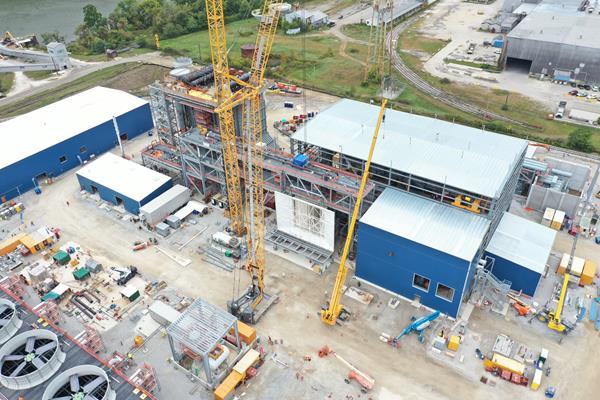
 Well that’s disappointing. Earlier this year Energy Solutions Consortium (ESC) asked the State of West Virginia to guarantee a $5.5 million loan for a proposed new shale gas-fired power plant planned for Brooke County which would help them secure even more funding for the project. Several weeks ago the state went one better than the original request and said it would not only guarantee the loan, it would actually make the loan (see