
Big Green, NY DEC File Separate Lawsuits to Block Constitution Pipe
 Well, you knew this was going to happen. Last week, a group of disgusting Big Green groups and the New York State Attorney General both filed separate lawsuits in the U.S. Court of Appeals for the Second Circuit (2nd Circuit), challenging the Federal Energy Regulatory Commission’s (FERC) decision to resurrect the Constitution Pipeline under the existing (but dormant) docket. NY AG Tish James, representing the Department of Environmental Conservation (DEC), argues that a brand new review should be done by the state to evaluate the project for compliance with the federal Clean Water Act. You may recall that NY previously lost its right to evaluate the Constitution project by stretching out its review for years, causing FERC to overrule NY (see Victory! FERC Overrules NY DEC to Allow Constitution Pipeline). Read More “Big Green, NY DEC File Separate Lawsuits to Block Constitution Pipe”
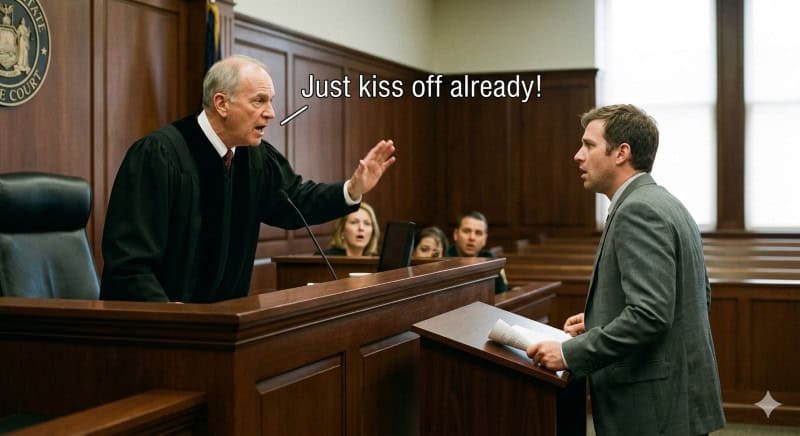
 It seems that not all of the judges who sit on the U.S. Court of Appeals for the Fourth Circuit (4th Circuit) are clowns, the way the three judges who oversee cases dealing with the Mountain Valley Pipeline (MVP) Southgate project are (see
  About a month ago, MDN brought you the exciting news that a father and son who own land in Upstate New York (not far from MDN HQ) have sued New York State for “taking” their right to allow shale drilling and fracking under their land (see
  The West Virginia Supreme Court of Appeals ruled in favor of Equinor USA Onshore Properties Inc. (formerly Statoil) in a multi-million dollar tax dispute last Friday. The case has major implications for how the state calculates severance taxes for natural gas liquids. The decision reversed an intermediate court’s procedural dismissal, entitling Equinor to over $19 million in tax refunds for the years 2014, 2015, 2016, 2018, and 2019. The dispute centered on the definition of “gross proceeds” and the timeliness of administrative appeals in a years-long battle with the West Virginia tax commissioner.
  Just yesterday, MDN told you that three left-wing judges from the 4th Circuit (“Circus”) who hate the Mountain Valley Pipeline (MVP) were back at it, badmouthing an extension of MVP into North Carolina, called Southgate (see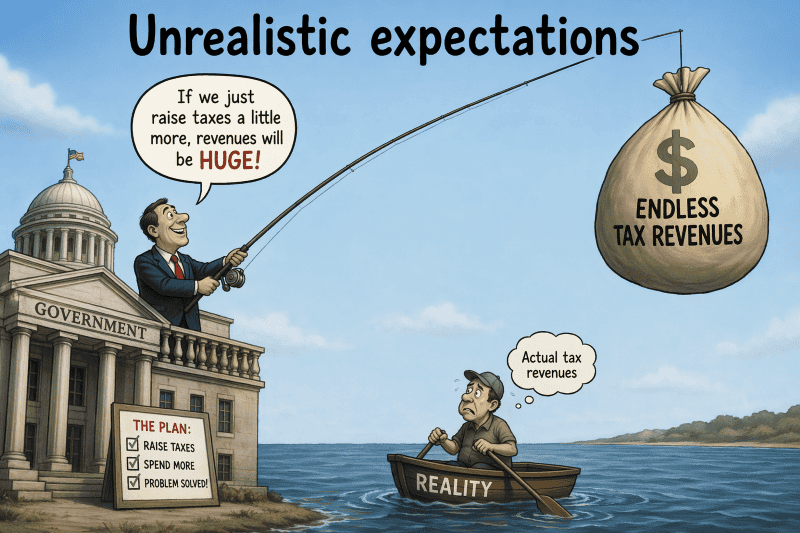
 Last November, the Buckeye Environmental Network, backed by lawyers from the controversial Earthjustice, sued the Ohio Department of Natural Resources (ODNR) over permitting two new shale wastewater injection wells in the Marietta area, claiming the standard used to evaluate the wells was old and out-of-date (see
  It’s fun to watch mainstream media begin to wake up to the lawsuit we told you about last week, filed by a father and son against New York State over its fracking ban (see
  Olympus Energy (now owned by EQT) drills in the Greater Pittsburgh region, in Allegheny and Westmoreland counties. In 2021, Olympus applied to build a new well pad in a rural part of Allegheny County, in West Deer Township. So-called Concerned Residents of West Deer (CROWD) got amped up to oppose the project. They succeeded when town supervisors rejected the Dionysus well pad (see
  Last week, U.S. Sen. Ted Cruz (R-TX) introduced S.4340. This bill would bar frivolous lawsuits from green activist groups seeking damages, injunctions, or other relief for so-called harms allegedly caused by the end use of energy products, including oil and gas. Senators Ted Budd (R-NC), Tom Cotton (R-AR), and Mike Lee (R-UT) are cosponsoring the legislation. The House’s companion bill, H.R. 8330, was also introduced by Representative Harriet Hageman (R-WY). The bill is being called the “Stop Climate Shakedowns Act of 2026.” An appropriate title.
  Connecticut gubernatorial candidate Betsy McCaughey (Republican) has sued New York Governor Kathy Hochul (Democrat), alleging a violation of the Interstate Commerce Clause for blocking the Constitution Pipeline. McCaughey claims Hochul’s actions prevent cheaper Marcellus Shale natural gas from reaching New England, thereby increasing Connecticut’s electricity rates. McCaughey, who lives in Greenwich, claims legal standing to sue as a consumer and ratepayer. The lawsuit, filed in U.S. District Court, aims to force New York to allow construction of the pipeline, which she argues would provide Connecticut residents with more affordable energy. Do-nothing Governor Ned Lamont (lifer Democrat, running for a third term) dismissed the suit as a political stunt.