
Anti-Drilling/Fossil Fuel | Dominion Energy | Energy Services | Industrywide Issues | Litigation | Pipelines | Regulation
Clown Judges from 4th Circus Block Atlantic Coast Pipe…Again
 The same U.S. Fourth Circuit Court of Appeals judges who quoted from Dr. Seuss’ book “The Lorax” in a previous decision against Dominion Energy’s Atlantic Coast Pipeline (ACP) have, once again, delivered another blow to ACP. In a very poor decision issued on Friday, the clown judges overturned reissued permits from the U.S. Fish and Wildlife Service (FWS) for the project, claiming the permits don’t do enough to protect bumble bees and bats.
Read More “Clown Judges from 4th Circus Block Atlantic Coast Pipe…Again”
 In February MDN brought you the news that EQT had settled a class action lawsuit in West Virginia with landowners and rights owners ending EQT’s practice of post-production deductions from royalty checks (see
  A landowner in Pike County, PA called King Arthur Estates LP, challenged Kinder Morgan’s Tennessee Gas Pipeline (TGP) over the amount of money they should receive to have a pipeline cross its land–and has won the right to use PA’s more generous laws on compensation rather than the federal government’s more stingy laws on “just” compensation. The decision sets a precedent for all PA landowners.
 Mainstream media, via a single Associated Press story, is reporting a decision by Pennsylvania Commonwealth Court yesterday is largely a “win” for the PA Dept. of Environmental Protection with respect to Chapter 78a regulations. The AP story de-emphasizes what we consider the larger story–that the drilling industry already won most of the case last year (see
  In February, EQT filed lawsuits in both Pennsylvania and federal courts against two former employees it had fired, claiming the employees, before they were fired, had systematically copied confidential information from company computers and took it with them when they left (see
 A radical anti-fossil fuel group (rich snobs) from Cooperstown, NY, in Otsego County (calling themselves Otsego 2000), sued the Federal Energy Regulatory Commission (FERC) in federal court a year ago to try and stop a project to build a couple of compressor stations in upstate New York, using the argument global warming wasn’t factored into the decision-making process (see
  In May 2016, a landowner in Wayne County, PA filed a lawsuit against the Delaware River Basin Commission (DRBC) asking a judge to declare that the DRBC does not have jurisdiction to prevent construction of a natural gas well (see
 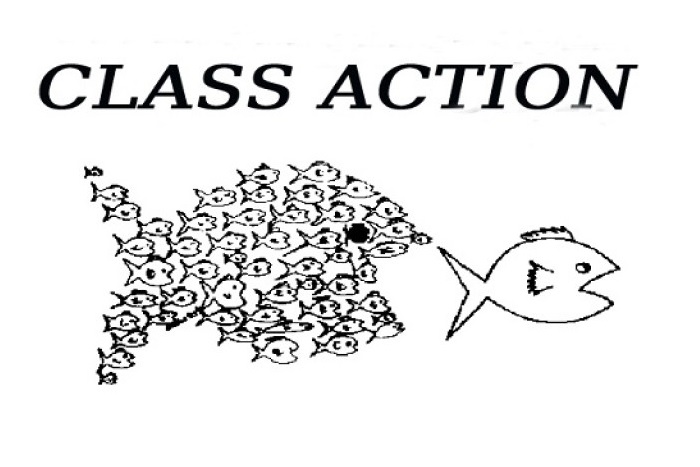 Last July a group of 100+ southwestern Pennsylvania landowners sued EQT for failure to pay them rental fees for storing natural gas under their properties (see
  In March 2016, the Federal Energy Regulatory Commission (FERC) approved Tennessee Gas Pipeline’s (TGP) Connecticut Expansion project (see
  In another MDN exclusive, last Friday LOLA Energy filed a lawsuit in Greene County, PA against EQT for allegedly drilling shale wells under property EQT formerly leased, property for which the leases had lapsed and were subsequently scooped up by LOLA Energy (see
  It seems the door *does* swing both ways when it comes to Pennsylvania municipalities and the Act 13 lawsuit decision that allows municipalities to have a say in zoning in, or zoning out, shale drilling. In 2013 seven selfish PA towns won the right, from the PA Supreme Court, to impose their own zoning rules on oil and gas drilling (see
  Global warming fundamentalists certainly are a persistent lot. They can’t win elections, and they can’t force state or federal legislatures to pass laws banning pipelines (and shale drilling), so they do the next best thing. They twist our own court system against us in an attempt to block pipelines. Which has worked to some degree, at least in the northeast. The aim is to block all pipelines everywhere, eventually. Even in Texas. One of the ways antis attack the ability to build pipelines is by challenging what they pejoratively call “quick take” eminent domain–the right for a pipeline company to access and build a pipeline on property ahead of actually settling how much money the landowner will receive (in the case of landowners who refuse to negotiate).
 A recent article on the Forbes website helps crystallize and expose the strategy of a group we call global warming fundamentalists in their religious quest to block fossil fuels by blocking pipelines. That strategy works this way: Mount enough legal challenges to ramp up costs and ultimately convince pipeline builders to walk away from projects. “Ground zero” in pipeline wars right now is, according to the author, two projects: the Atlantic Coast Pipeline, and the Mountain Valley Pipeline. Both projects are right here in the Marcellus/Utica.