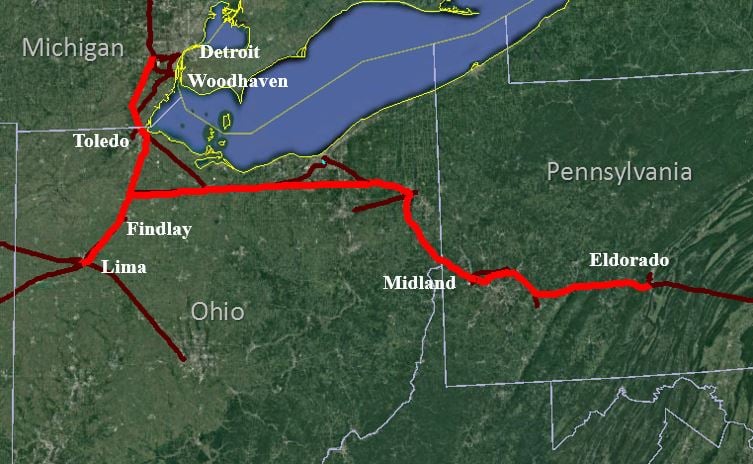
Philadelphia Loses $500M Petchem Plant from Lack of Pipelines
 Lack of pipelines for natural gas and natural gas liquids (NGLs) in the Northeast has very real economic and financial consequences. Yesterday the Greater Philadelphia Chamber of Commerce held a program titled “Fueling A Downstream Economy” in downtown Philly. One of the speakers was from petrochemical giant Braskem America Inc. If the name looks familiar, it should. Braskem and their Brazilian parent company Odebrecht are still considering building an ethane cracker plant in West Virginia (see A Pulse! WV Ethane Cracker Project Comes Back from the Dead). Another project Braskem wants to build is a $500 million polypropylene (i.e. plastics) plant. The decision on where to build it was between Philadelphia and Texas. Even though their preference was Philly, Braskem, in the end, selected Texas because of lack of pipeline infrastructure in Philly. A real heart-breaker. The brutal fact is that PA is not moving fast enough to approve new pipeline infrastructure. That was the message delivered loud and clear yesterday during the Chamber event…
Read More “Philadelphia Loses $500M Petchem Plant from Lack of Pipelines”

 The well-funded Big Green radical movement–the movement that wants to end the use of all fossil fuels–thinks it has found a new legal tactic to use in their attempts to stop the Mariner East 2 (and other) pipeline in Pennsylvania. You may recall that in September the Democrat-controlled PA Supreme Court further eviscerated the 2012 Act 13 Marcellus drilling law (see
  You may recall that in April, New York’s anti-drilling governor, Andrew Cuomo, decided he would cave to pressure from radical environmentalists once again and block the building of the federally-approved Constitution Pipeline (see
 On Friday, ahead of releasing its third quarter update, Williams issued a press release to confirm what we already know: Atlantic Sunrise will be delayed. Atlantic Sunrise is a $3 billion, 198-mile pipeline project running through 10 Pennsylvania counties to connect Marcellus Shale natural gas from PA with the Williams’ Transco pipeline in southern Lancaster County. Two weeks ago the Federal Energy Regulatory Commission announced a delay in the environmental review of the project (see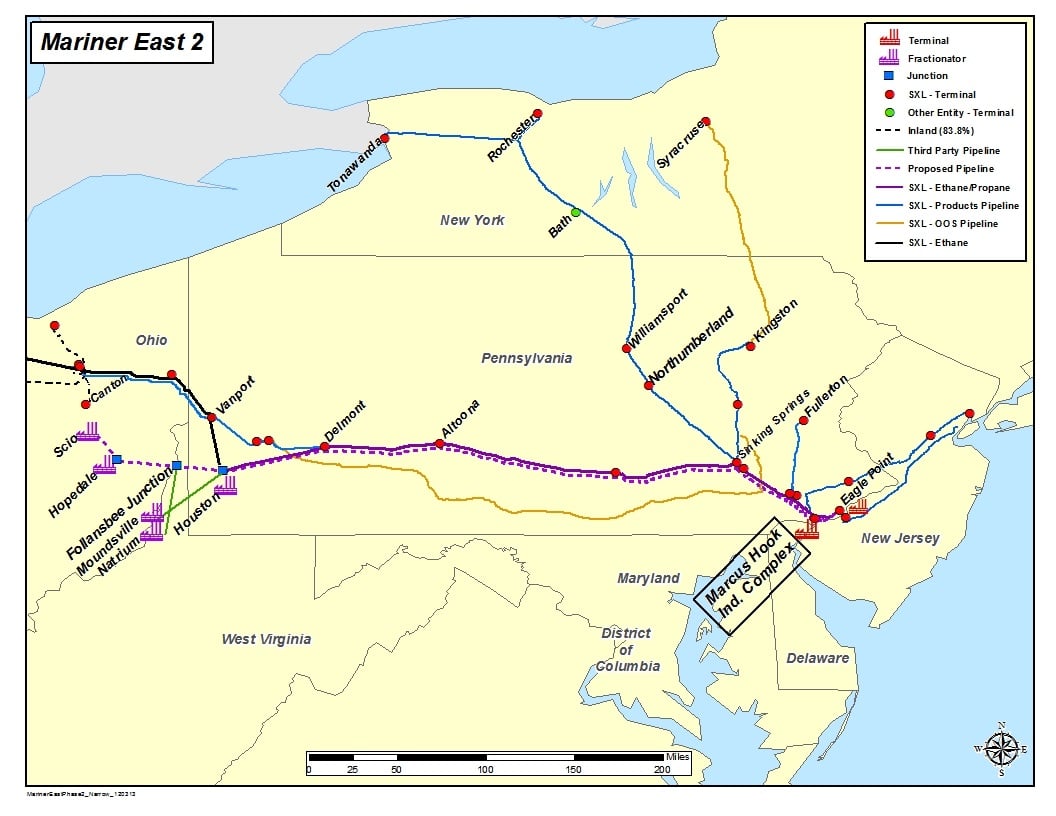
 One of the largest banks in the world (#11) is the German-based Deutsche Bank. They have major branches in dozens of countries, including the U.S. The Equity Research – North America operation of Deutsche Bank attended the Platts 9th Annual Appalachian Oil & Gas Conference in Pittsburgh earlier this week. The DB analyst who attended wrote up notes and shared them. We found the writeup interesting and thought you would too…
 It will be fun watching far left Democrat politicians in New England point fingers at each other this winter when electricity and natural gas prices go through the roof. It won’t be fun watching the residents of New England pay 4-10 times what people in other parts of the country pay for their electricity and natural gas–but they’re the ones who elected the dolts that “lead” them. So we don’t have too much sympathy. An agreement by the New England states to seek new natural gas pipeline infrastructure and LNG resources has fallen apart because of squabbling among the states. In large part because of political pressure being applied by lunatic global warming scaremongers. Connecticut is the latest state to throw in the towel, canceling an RFP (request for proposal) that would bring cheap, abundant, clean-burning natural gas from places like the Marcellus, just a few hundred miles away, to the state. What a shame. The only thing to do now is sit back and watch the fun begin. We’ll be here to chronicle the sad decline of (and mass exodus from) New England…
 Get this. More than 100 so-called protesters (i.e. criminals) had illegally set up camp on PRIVATE PROPERTY–against the landowner’s wishes–in an effort to stop work on the Dakota Access Pipeline project. A large group of police officers, SWAT teams, etc. had to move in to remove the lawbreakers. So what does the group of protesters who claim to worship Mother Earth and are there to protect Mom Earth from being raped by a pipeline do? They set fire to a pile of used tires–emitting the worst kind of fumes and emissions into the air, polluting everything around. They also torched equipment used to lay the pipeline. One of the “protesters” produced a .38-caliber pistol and fired three times at police officers. Yeah, that’s the peace-loving, earth-protecting THUGS in North Dakota–most of whom arrived from out-of-state and are paid to be there. Hired thugs engaging in thuggery. Why mention this story on MDN? Because as we previously wrote, one of the leaders of these thugs has promised to bring the fight to the Marcellus/Utica next…
 In June 2014 Dominion filed an application with the Federal Energy Regulatory Commission (FERC) to construct and operate new compression facilities at existing compressor stations in Marshall County, WV and Monroe County, OH, and certain other facilities, collectively called the Clarington Project (see
  The bullies at the rogue, out-of-control federal Environmental Protection Agency (EPA) are leaning hard on the Federal Energy Regulatory Commission (FERC) over FERC’s approval for two Marcellus/Utica projects–Leach Xpress and Rayne Xpress Expansion projects. The EPA thinks FERC should consider man-made global warming flummery as part of their evaluation process. FERC is resisting. So the EPA bullies are demanding a meeting, to help FERC get it’s head straight (see
 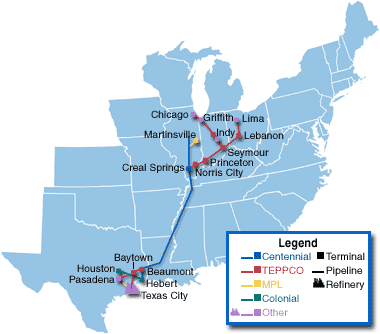 In September 2015 MDN brought you the news that two joint venture partners, MPLX (Marathon Petroleum) and Enterprise Products Partners, were actively evaluating a plan to reverse the flow of the 795-mile Centennial Pipeline to send natural gas liquids (NGLs) from the Utica/Marcellus to the Gulf Coast (see