
EOG’s “Profound Shift” in Identity from Oil to Premier Gas Producer
 Last year, Houston-based EOG Resources acquired Encino Acquisition Partners for $5.6 billion, establishing the Utica Shale as a “third foundational play” alongside its Permian and Eagle Ford assets (see EOG Closes on $5.6B Purchase of Encino Assets in Ohio Utica). As the energy sector navigates a complex landscape of fluctuating oil prices and surging electricity demand, EOG Resources has officially entered 2026 with a strategy that signals a profound shift in its corporate identity. Using the Utica (and Eagle Ford), EOG is now positioning itself as a premier natural gas powerhouse. Read More “EOG’s “Profound Shift” in Identity from Oil to Premier Gas Producer”
 An interesting case in Ohio deals with whether or not natural gas can be taxed, depending on how it’s used. The Ohio Board of Tax Appeals ruled on Tuesday, January 6, that MGQ Terminal, Inc. is exempt from use tax on natural gas purchases used to process asphalt to customer specifications. Although Tax Commissioner Patricia Harris had assessed use tax for the period between 2013 and 2016 based on the determination that the company was engaged in a storage business, the board reversed this decision, finding that the company’s activities qualify as tax-exempt “manufacturing operations.” The board held that MGQ’s use of natural gas to heat, agitate, and blend refinery waste into homogeneous, specification-compliant products constitutes a transformative manufacturing process rather than mere storage.
  The Baker Hughes rig count turned in its weekly report early last week, on Dec. 30 (Tuesday instead of the usual Friday), due to the holiday—for a second week in a row. The Marcellus/Utica rig count gained 1 rig four weeks ago in the Ohio Utica, bringing the total to 39 rigs. For the past four reports in a row, the M-U has maintained that count—the most rigs it has operated in more than a year. It’s a great way to start the New Year! Pennsylvania has held at 18 active rigs for seven consecutive weeks. Ohio has operated 14 rigs for four straight weeks (its highest in over a year). And West Virginia maintained 7 rigs, which it has operated since May 30. There were 24 rigs targeting the Marcellus and 15 targeting the Utica. The national count picked up 1 rig, bringing the total to 546 active rigs.
  Ascent Resources announced yesterday that its CEO, Jeffrey A. Fisher, who is both Chairman of the Board and Chief Executive Officer, will retire from his executive roles effective January 31, 2026. Following his retirement, he will serve as Special Advisor to executive management and the Board through December 31, 2026. The board has appointed Brooks M. Shughart, currently President & CFO, to succeed Fisher as CEO on January 31. While the official announcement does not refer to it, the company is currently in the middle of a bidding war to take it over.
  The combined number of new permits issued to drill shale wells across the Marcellus/Utica region was 26 for the week of Dec. 22 – 28, more than double the 12 issued two weeks ago. Pennsylvania issued 15 new permits, Ohio issued 6, and West Virginia issued 5. Among the companies receiving new permits were Antero, EOG, EQT, Hilcorp, INR, and Range Resources.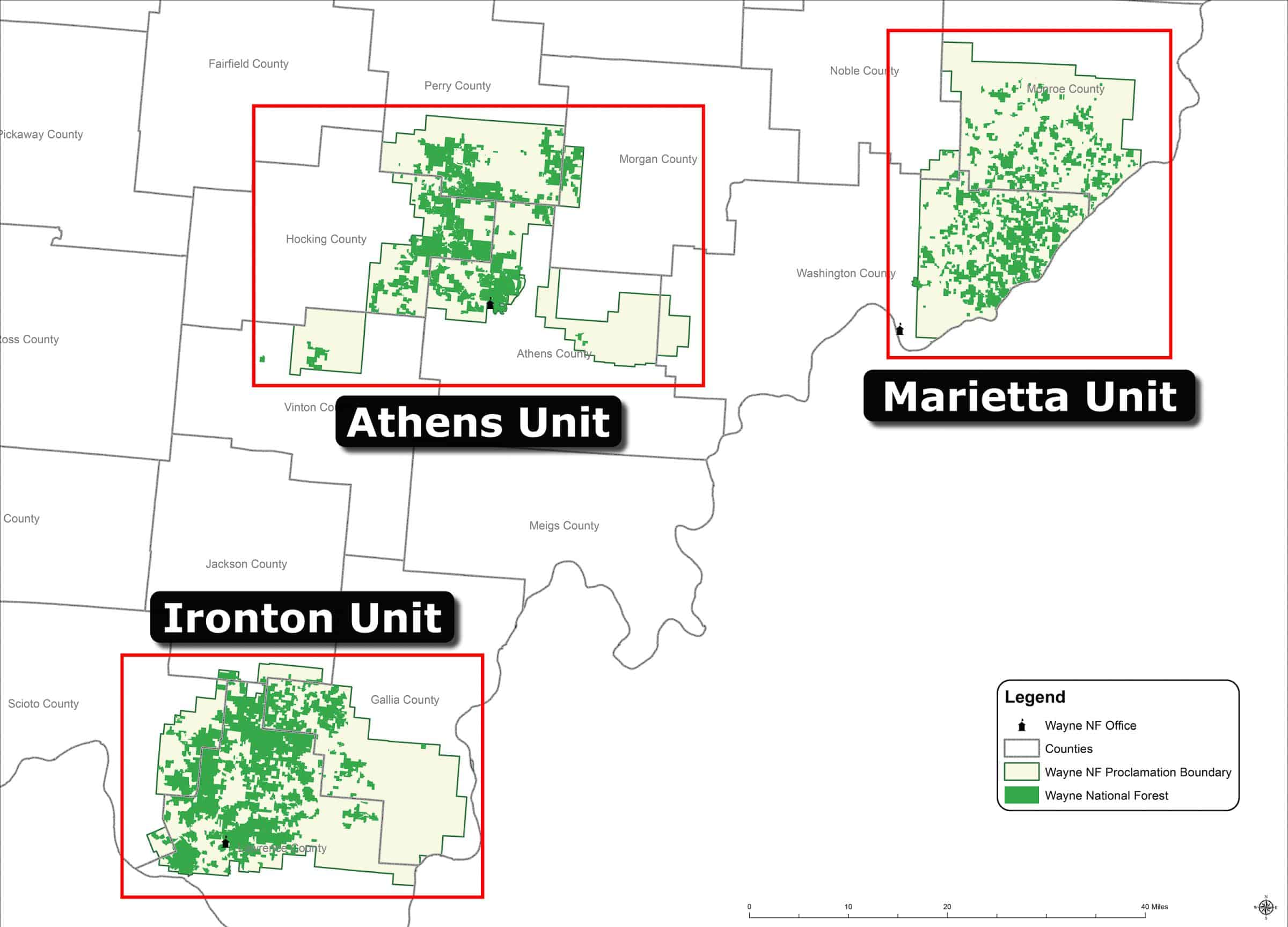

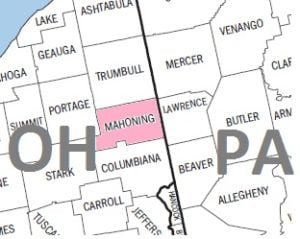 The EOG Resources-owned Wehr Spring Valley Farm well in Ellsworth may signal a resurgence in the oil and gas industry in Mahoning County, Ohio. Producing 40,489 barrels of oil in its first quarter, the well significantly outperformed neighboring sites, validating predictions that the Utica play would yield oil as it moves north. Regional leaders and attorneys attribute this success to advanced drilling technologies, specifically improved surfactant chemistry and closer fracturing stages. This production spike in the Wehr well has revitalized local interest in mineral rights and spurred infrastructure investments, such as Vallourec’s $48 million pipe mill expansion, highlighting the region’s growing economic potential.
  Back in February, MDN told you that a company called PowerConneX had pre-applied to build a 120-megawatt natural gas-fired power plant at a 49-acre site in New Albany, Licking County (near Columbus) that will host a data center (see
  The Ohio Tax Commissioner is facing a lawsuit from Rover Pipeline over an aggressive property tax assessment that inflates the project’s market value. The dispute centers on the state treating $2.2 billion in weather-related construction overruns and an unrealistic “infinite lifespan” assumption as value-adding assets. Critics argue that this approach violates constitutional principles of fair market valuation, under which taxes should reflect what a willing buyer would pay rather than total development costs.
  Volatility is the watchword for new permits in the Marcellus/Utica. Three weeks ago, the combined count between Pennsylvania, Ohio, and West Virginia was a measly 8 new permits (see
  Data centers—large facilities full of computers—have been in the news a lot over the past year. The internet and tech companies like Facebook, Google, and Amazon gave rise to data centers. But a new/renewed emphasis emerged a year ago with the unveiling of artificial intelligence (AI), which is now being used by a large portion of the population. Did you know that there are currently 4,149 active data centers in the U.S.? And that another 2,788 have been announced/planned, primarily related to AI? That’s from a fantastic new report from the American Edge Project (AEP) and the Technology Councils of North America (TECNA). Earlier this week, they released “America’s AI Surge: Powering Investment, Jobs, and Growth in Every State” (full copy below). We’ve extracted information specific to the Marcellus/Utica region from the report.
  Ohio already has 217 data centers with more on the way. Data centers are warehouses filled with computer equipment that generates a lot of heat. To cool down the computers, data centers use massive amounts of water. If data centers want to get rid of that water after it’s been used, they have to apply for a permit called the National Pollutant Discharge Elimination System (NPDES) through the Ohio EPA. Currently, data centers must apply for an individual NPDES permit, which is detailed and unique to their operations. The OEPA is looking to streamline the process to make it faster and easier. That’s a good thing.