
PA Antis Pack Virtual Hearing on Wolf’s Onerous New Methane Regs

Last December the Pennsylvania Dept. of Environmental Protection’s (DEP) Environmental Quality Board (EQB) approved onerous new regulations that supposedly will capture every last molecule of stray methane that leaks from shale drilling operations (see PA DEP Goes WAY Too Far in Approving New Methane Regulations). The new regs are unnecessary and will shut down even more shale drilling operations in the state. As part of the EQB’s final steps to ratify the onerous new regs, they are conducting three virtual public hearings this month. Yesterday’s hearing (the second hearing) was packed with 32 anti-fossil fuel radicals who support Wolf’s plan. Gee, color us surprised.
Read More “PA Antis Pack Virtual Hearing on Wolf’s Onerous New Methane Regs”
 The Washington & Jefferson College Center for Energy Policy and Management (Washington, PA) is hosting a free webinar series on “
 Yesterday the Pennsylvania Senate Environmental Resources and Energy Committee held a virtual hearing on Gov. Wolf’s plan to bypass the state legislature and force the state to join the so-called Regional Greenhouse Gas Initiative (RGGI), a group of northeastern states attempting to assassinate coal and gas-fired power generation by taxing it to death with an insane carbon tax (see
  Last October PA Gov. Tom Wolf, in a naked power-grab, said he would try to force PA to join the so-called Regional Greenhouse Gas Initiative (RGGI), a group of northeastern states attempting to assassinate coal and gas-fired power generation by taxing it to death with an insane carbon tax (see
  In March a worker hired to x-ray welds on sections of the Mariner East 2 pipeline in southwestern Pennsylvania was charged with falsifying records–that he falsely claimed to have performed work when he didn’t (see
  In Ohio, it costs drillers $5,500 to file for and receive a permit to drill a new shale well. In West Virginia, the cost is $10,150. In Pennsylvania, it has cost drillers $5,000 for a new shale well permit. Following a meeting yesterday of the PA Independent Regulatory Review Commission (IRRC), PA’s permit fee is about to zoom to the top of the M-U list: $12,500 (2 1/2 times the previous fee). In fact, the cost of a shale permit in PA will become the highest in the country.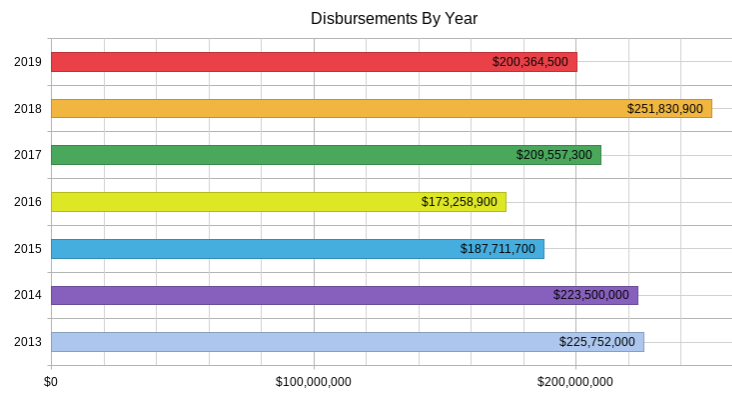
 We previously told you that Pennsylvania House Speaker Mike Turzai, a long-time champion for the Marcellus Shale industry, would leave office as of Monday (see
  The door has been closed on “Dimock” (in Susquehanna County, PA) for years. Dimock, you may recall, was made famous by Josh Fox’s so-called documentaries Gasland and Gasland 2, aired endlessly on HBO. His allegations about fracking malfeasance by Cabot Oil & Gas were completely debunked in a real documentary called
  A group of leftwing radical professors (all of the Democrats) from seven universities in Ohio and Pennsylvania have colluded to write a letter to the governors of Ohio, Pennsylvania and West Virginia. The letter trash talks the billions of dollars in economic impact and tens of thousands of jobs ethane cracker plants and the petrochemical industry will have in the region. The leftist gang of seven poo-poos those estimates and says the proposed PTT cracker is too “risky” to approve. How do they figure?
 CNX Resources, one of our favorite Marcellus/Utica drillers, issued an operational update yesterday with some interesting new information. Chief among the tidbits is the fact that CNX, beginning May 1, shut-in some of its production. Specifically around 375 million cubic feet per day (MMcf/d). The company expects that number to decline to 300 MMcf/d by July. After that, they’ll play it by ear.
 Enverus (formerly known as Drillinginfo) recently released its latest FundamentalEdge report that explores the ongoing supply response to demand destruction caused by the COVID-19 pandemic. As part of the report, Enverus estimates how much dry gas production each major shale play produced, month by month, from January through May of this year. The numbers show that production from the Marcellus/Utica, which produces the most natural gas of any play, decreased the most of any play–by some 1.5 billion cubic feet per day (Bcf/d) from January to May.
 Going back a year (beginning June 2019) MDN has brought you news about Edge Gathering Virtual Pipelines 2 LLC (EDGE), a company that deploys special LNG units to remote Marcellus wells in PA, converting gas from the well into LNG and selling that gas (
 The Susquehanna River Basin Commission (SRBC), the quasi-governmental agency tasked with overseeing water usage within the Susquehanna River Basin, has been a huge success with respect to partnering with the Marcellus Shale drilling industry. The SRBC recently updated a report (summary below) reviewing shale water usage drawn from the basin from 2008 to 2018. The report finds shale water usage has risen to become the #3 source of water used in the river basin–although shale usage of basin water is still a small fraction of that by larger users, including municipalities and electric power generation.