PA’s Homer City Gas-Fired Project Completes Site Demolition Early
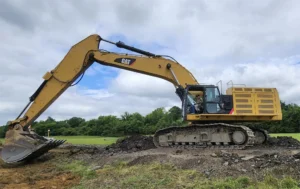 Homer City Generation announced the early completion of demolition and excavation work at its Indiana County, Pennsylvania, site, marking a major milestone in transforming the former coal-fired power plant into a gas-fired power plant and AI data center complex. Over nine months, partner Independence Excavating led 130 union workers and 65+ pieces of equipment to recycle over 112,000 tons of scrap material and excavate approximately 3 million cubic yards (comparable to the Great Pyramid’s volume), all while maintaining zero safety incidents. Read More “PA’s Homer City Gas-Fired Project Completes Site Demolition Early”
 KLX Energy Services has acquired all assets of Wolfpack Rentals for $17 million, including $14 million at closing and two deferred payments of $1.5 million each. Wolfpack, founded in 2005 and based in Texas, provides surface rental equipment and services to oil and gas E&P, midstream, construction, and industrial customers across Texas and the Marcellus/Utica region, including regional offices and operations in West Virginia and Ohio. A better way to understand Wolfpack is to think of them as renting trailers for “man camps” — temporary settlements of oil and gas workers in remote locations.
  Kathairos Solutions says its liquid nitrogen systems have crossed a major climate milestone by eliminating 1 million metric tonnes (MMT) of CO2 equivalent by replacing methane with nitrogen to power pneumatic devices at oil and gas facilities. The Calgary-based company reports that about 3,000 systems have been deployed across North America, with more than 70 producer partners, eliminating roughly 1,250 tCO2e per day. Kathairos’ customers include many of the biggest drillers in the Marcellus/Utica.
  The U.S. Court of Appeals for the Ninth Circuit on Tuesday upheld the dismissal of a lawsuit brought by 22 “youths,” aged 7 to 25 (kids used as a prop by Big Green groups), challenging three Trump executive orders promoting fossil fuel production and domestic energy investments. The appeals panel affirmed that the plaintiffs lacked standing, finding they failed to demonstrate the executive orders directly caused their injuries and could only speculate about future agency actions to implement those orders.
  Data center developers are turning to behind-the-meter natural gas generation as grid interconnection delays now exceed five years, making traditional utility connections commercially unworkable for AI-scale (hyperscale) facilities. Natural gas turbines and engines provide continuous, dispatchable baseload power that unreliable renewables cannot deliver at the required scale and reliability. However, this shift transforms data centers from energy consumers to energy producers, requiring sophisticated gas supply strategies including managing basis risk, securing firm pipeline transport capacity, evaluating supply reliability during site selection, and structuring contracts that accommodate volume growth.
  NATIONAL: U.S. natural gas futures inch down in steady trade; U.S. natural gas futures ease as LNG export flows hit four-month low; America’s data center build-out is falling way behind schedule; INTERNATIONAL: Crude gains as peace deal doubts grow; Tensions broil again as Iran hits US Mideast allies; Analysts tell OPEC+ that Hormuz disruption will last through year-end; Persian Gulf LNG exporters are adopting shadow-fleet tactics; Mark Carney broke up with America, but for some reason, he’s still parked outside.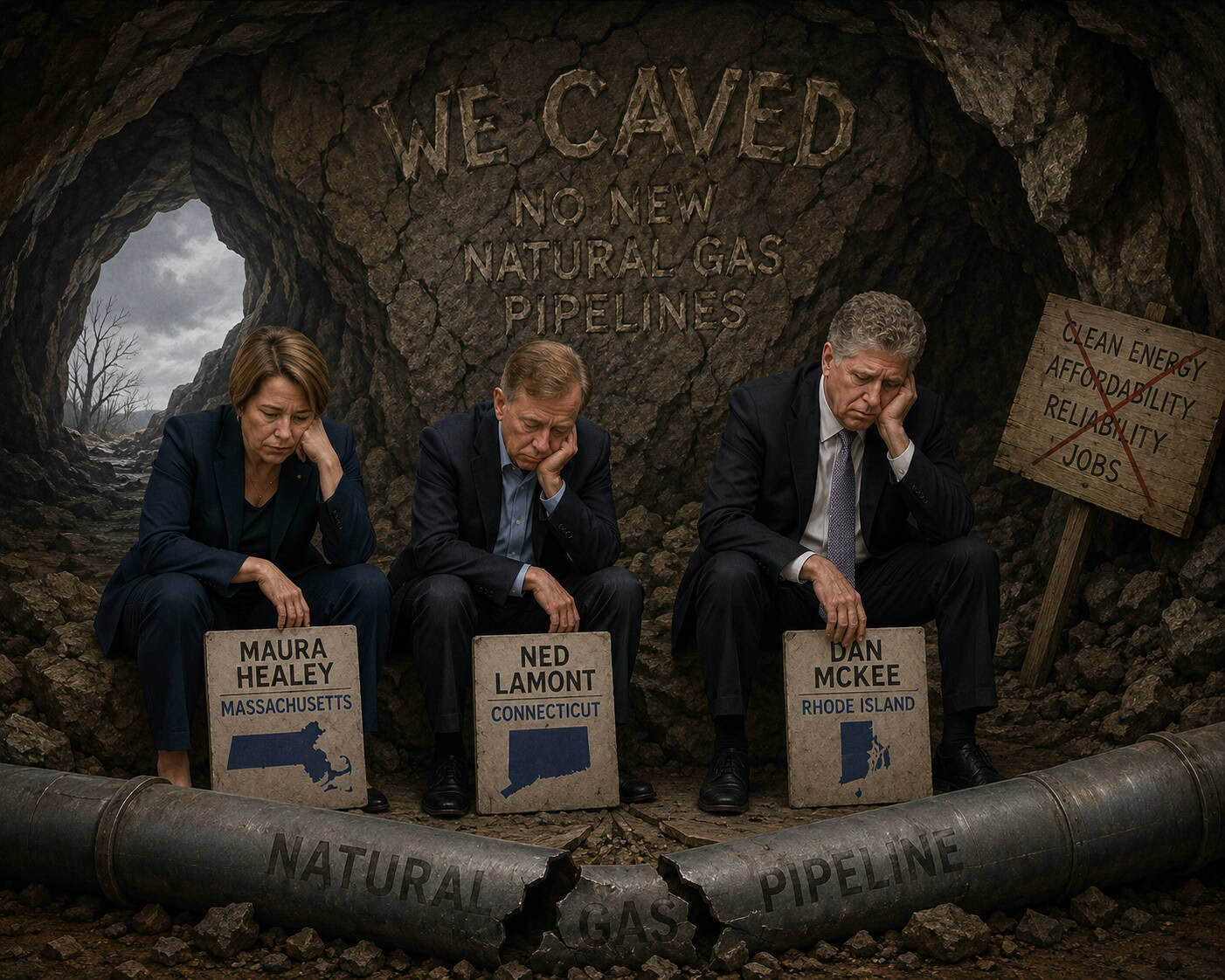

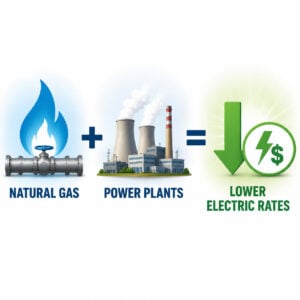 Pennsylvania families face rising electricity bills despite the state’s abundant energy resources. In an excellent op-ed, Bradford County Commissioner Doug McLinko explains that local utilities like Penelec and PECO don’t control electricity costs—they only deliver power. Prices are set by PJM Interconnection’s regional market, where costs are soaring as baseload power plants retire while demand from manufacturing, data centers, and AI surges. Pennsylvania produces massive natural gas from the Marcellus Shale but lacks sufficient modern power plants to convert it into electricity.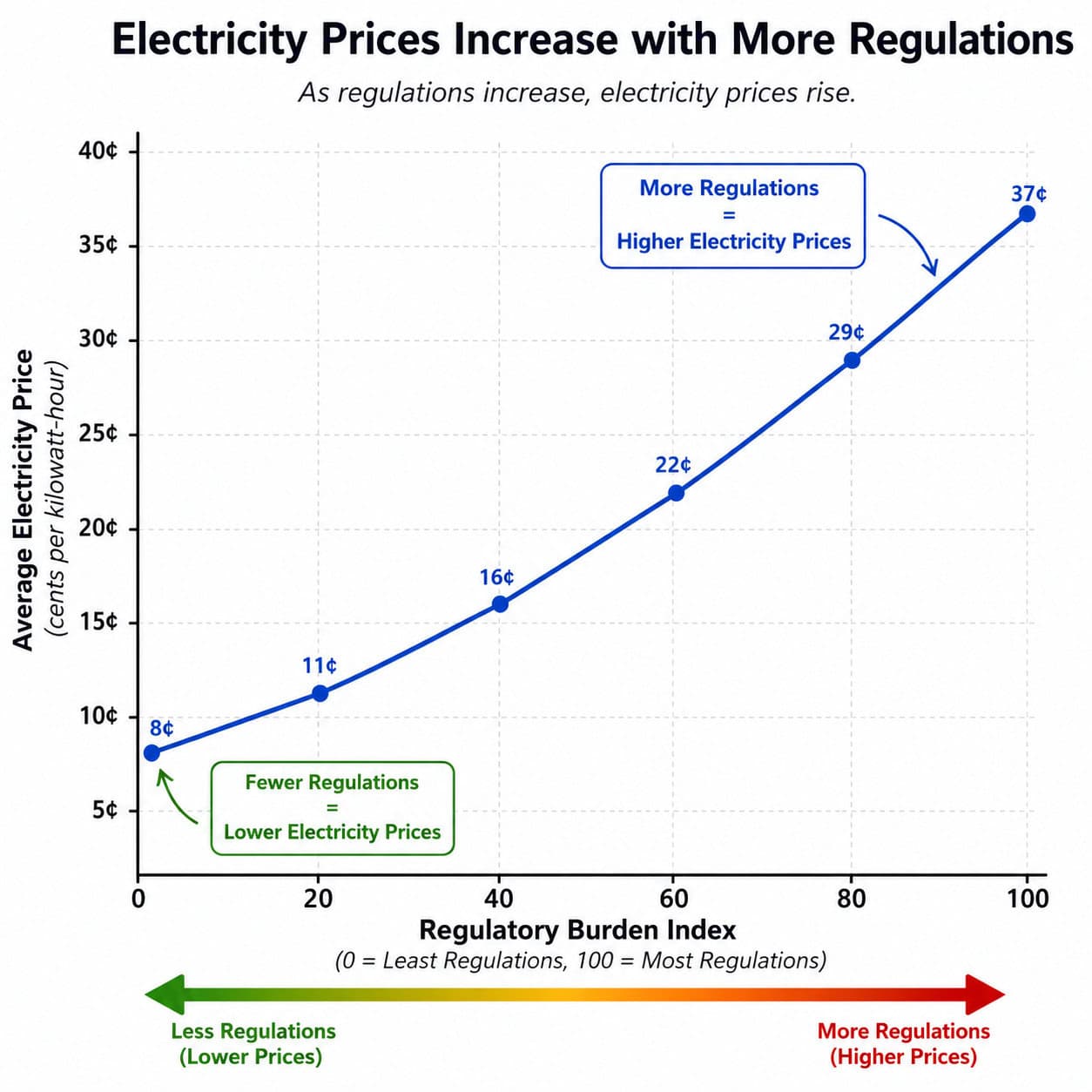
 In March 2024, the U.S. Securities and Exchange Commission (SEC), corrupted by the Bidenistas, voted 3-2 (three Democrats vs. two Republicans) to issue a final rule forcing all publicly traded companies to disclose their so-called greenhouse gas (GHG) emissions and the imaginary climate risks their businesses face (see
  From the very first whisper of the rumor that Devon Energy was sniffing around a buyout and merger with Coterra Energy, we wondered, speculated, and worried about what such a merger would mean for Coterra’s considerable Marcellus assets in northeast Pennsylvania. From the outset, activist investor Kimmeridge (with a stake in both Coterra and Devon) has pressured Devon to consider selling the Marcellus assets (see
  The Pennsylvania Department of Environmental Protection issued an air quality permit on May 18, 2026, to MarkWest Liberty Midstream, authorizing the expansion of its Harmon Creek Natural Gas Processing Plant in Washington County. The MarkWest name is still used, although the company is now MPLX. The DEP permit approval allows the addition of a third cryogenic plant and a second de-ethanization plant. A number of Big Green groups colluded in an attempt to block the permits, but their demands were ignored.