
MDN’s Energy Stories of Interest: Wed, Feb 18, 2026
 OTHER U.S. REGIONS: Dems praise “energy pragmatism” forced by their own green failures; Newsom targets Big Oil abroad while CA relies on global detours; Winter storms rapidly drain U.S. natural gas inventories; NATIONAL: U.S. natural gas snaps three-session winning streak; Analyst says bearish gas risks growing; Prime Power launches always-on energy for data centers; Maritime exports of petroleum products increased in January 2026; U.S. LNG feedgas demand continues to rise; U.S. LNG is America’s engine of growth and security; INTERNATIONAL: Crude dips on Iran deal signals; Miliband ‘aiding Putin’ by concreting over UK fracking sites. Read More “MDN’s Energy Stories of Interest: Wed, Feb 18, 2026”
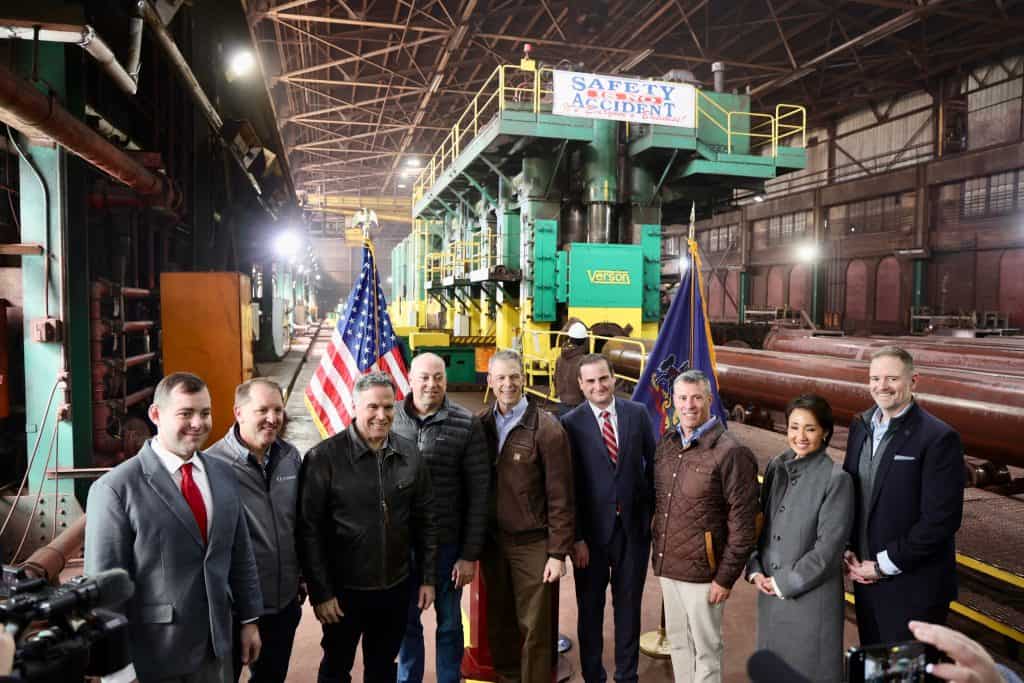
 TC Energy (formerly TransCanada) is a major North American energy infrastructure company based in Calgary, Alberta, specializing in natural gas pipelines, power generation, and storage. The company transports over 30% of the daily natural gas consumed in Canada, the U.S., and Mexico. The company owns major assets in the Marcellus/Utica, including Columbia Gas Transmission and the Millennium Pipeline. The company issued its fourth quarter and full-year update for 2025 last week. Based on the company’s earnings call and associated reports, there is a significant focus on leveraging existing infrastructure to move M-U gas to growing demand centers, particularly in the U.S. Midwest and Mid-Atlantic regions.
  Pipeline giant Williams issued its fourth quarter and full-year 2025 update last week. The company forecasts 2026 profits exceeding analysts’ expectations, driven by surging natural gas demand from AI data centers and crypto mining. Williams is aggressively expanding its footprint, with 7.1 Bcf/d of pipeline projects currently underway and new gas-fired power plants such as the $1.3 billion “Socrates the Younger” project. The company plans to invest up to $6.7 billion in 2026 capital spending to capitalize on the sustained, long-term need for gas infrastructure and power growth.
  In June 2023, Dominion Energy announced plans to build four small “peaker” electric generating plants in Chesterfield County near Richmond (see
  Delaware Republican Senators Brian Pettyjohn and Gerald Hocker are exploring reopening the Indian River Power Plant in Dagsboro to address rising energy demands and grid reliability concerns. Although the 68-year-old facility closed last February, lawmakers are discussing a potential conversion from coal to natural gas with stakeholders like Chesapeake Utilities. Supporters believe reviving the plant could lower costs and stabilize the regional grid. While the site is also tied to proposed offshore wind projects, local residents favor any solution that ensures a steady power supply as formal discussions about the facility’s future gain momentum.
 Wow! What a week for rigs last week. On Friday, Baker Hughes reported that the national count remained unchanged at 551 active rigs. However, the Pennsylvania Marcellus picked up another rig and now operates 20 rigs, the most it has operated in well over a year. Both Ohio and West Virginia remained at 13 and 7, respectively. The combined M-U count was 40 rigs last week, the most in well over a year. The M-U’s primary competitor (for attention and money), the Haynesville, added another 2 rigs last week after adding 7 the week before, for a new modern high of 52 rigs (12 more than the M-U, bummer). It’s probably too early to declare a trend, but the upshot is that more gas drilling is underway in the two largest gas plays in the country. That’s a good sign.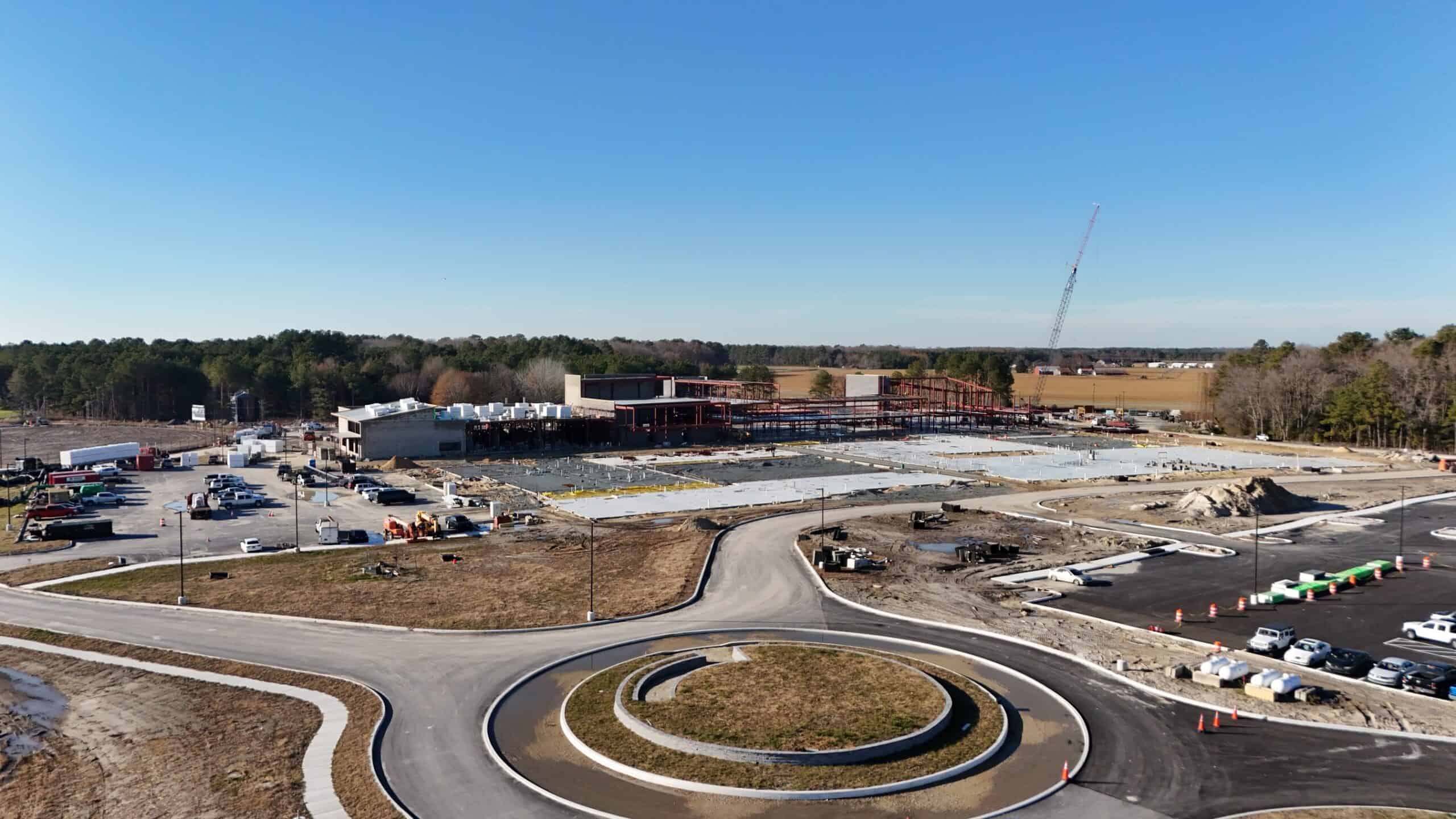
 Antero Resources Corporation has reached a proposed settlement with the U.S. Department of Justice (DOJ) and the state of West Virginia to resolve Clean Air Act violations at 242 oil and gas facilities in West Virginia and Ohio. To address unauthorized volatile organic compound (VOC) emissions, Antero will invest approximately $5.8 million in system improvements and monitoring, reducing annual emissions by over 1,100 tons. The company will also pay a $3.8 million civil penalty and spend $1.5 million to permanently plug and remediate abandoned wells in WV. Total price tag: $11.1 million.
  About six years ago, Dominion Energy announced the River Neck to Kingsburg project, a short 15-mile 16-inch natural gas transmission main line that would run in an existing right-of-way alongside another pipeline along Old River Road near Pamplico in Florence County, SC. It was supposed to be built and flowing in 2022. Dominion still hasn’t built a square inch, thanks to the lawfare launched by the anti-fossil fuelers of the Blue Ridge Environmental Defense League. Earlier this month, we told you that the South Carolina Supreme Court finally cleared the last legal roadblocks (see
  Last week, MDN told you that Maryland State Senator Kevin Harris (Democrat) had recently introduced legislation allowing Big Utilities, such as Exelon, to build and operate power-generation infrastructure using ratepayer funds. We also presented the counterargument to re-regulating what is now a deregulated power market in Maryland (see
  According to the U.S. Energy Information Administration’s latest Short-Term Energy Outlook, U.S. natural gas production is projected to reach record highs of 120.8 Bcf/d in 2026 and 122.3 Bcf/d in 2027. This growth is primarily driven by the Haynesville, Permian, and Appalachia (Marcellus/Utica) regions, which together account for 69% of the total forecast output. Haynesville expansion is fueled by rising prices and proximity to Gulf Coast LNG terminals, while the Permian region’s growth stems from increasing gas-to-oil ratios despite falling oil prices. Meanwhile, the M-U region will see modest gains following new pipeline capacity additions, maintaining its status as the country’s leading producer.