
National Rig Count Falls Another 45, M-U Rig Count Holds Steady
 Last week we told you about the biggest rig count drop in four years with a loss of 47 rigs in a single week (see Biggest Rig Count Drop in 4 Years – Who’s Still Drilling?). What has to be the second biggest rig count drop in the past four years happened over this past week, with the U.S. seeing another 45 rigs idled in the last seven days. The good news, if there is such a thing, is that the rig counts in both the Marcellus and Utica remained the same–although one rig changed locations from the “dry” Marcellus to the “wet” Marcellus.
Read More “National Rig Count Falls Another 45, M-U Rig Count Holds Steady”
 It’s pretty amazing what a single tweet can do. It can move the price of oil up by $5/barrel! Yesterday President Trump tweeted: “Just spoke to my friend MBS (Crown Prince) of Saudi Arabia, who spoke with President Putin of Russia, & I expect & hope that they will be cutting back approximately 10 Million Barrels, and maybe substantially more which, if it happens, will be GREAT for the oil & gas industry!” The markets reacted quickly bidding up the price of oil to $25.32/barrel for WTI. Let’s hope it continues.
 NATIONAL: Cheniere Energy’s Jack Fusco on the future of LNG; Surviving the coronavirus? Thank fossil fuels.; Oil and gas M&A deals crash along with prices; INTERNATIONAL: As oil sinks, some companies float idea of ‘zero clause’ in trades; Barclays aiming for net zero emissions by 2050, portfolio realignment starts with energy sector; Global natgas prices for 2020 expected even lower, set to feel COVID-19 symptoms for years; Chinese buyers snap up U.S. oil purchases at widest discounts ever.
 Last week MDN told you about a flurry of oil and gas bills passed by the West Virginia legislature signed into law by Gov. Jim Justice (see
  Attention all small- and medium-sized businesses (those with fewer than 500 employees): Beginning tomorrow (Friday) you can sign up for the
 Is relief on the horizon for Marcellus/Utica drillers in the form of higher prices for natural gas? According to several analysts, due to several factors coming later this year and next year (a rebound in the economy, lower natgas production), we will see “significantly higher prices next year” for natgas. How much higher? “We expect an average Henry Hub price of $3.50[/MMBtu] for next year and anticipate gas reaching the $4 threshold in [the fourth quarter of 2021].” Between now and then it’s a game of Survivor…until higher prices get here.
 During the week of March 24 (Tuesday) to March 30 (Monday) exports of natural gas from the Lower 48 States to other countries averaged more than 15 billion cubic feet per day (Bcf/d)–the highest weekly average for natgas exports EVER. Most of that amazing number comes from exports via LNG facilities–some 9.5 Bcf/d. The rest are exports via pipeline into Mexico–averaging 5.5 Bcf/d.
 Although we have a deep respect for the work done by the American Petroleum Institute (API) in self-governance and raising standards for the entire industry, today we write to disagree with one of API’s initiatives. API along with two other big oil and gas associations–the International Petroleum Industry Environmental Conservation Association (IPIECA) and the International Association of Oil and Gas Producers (IOGP)–collaborate to produce a document called the “Sustainability Reporting Guidance for the Oil and Gas Industry.” It’s a tool to help companies shape the structure and content of their so-called sustainability reporting. In our opinion, it’s a capitulation to the notion that we must transition to an all-renewable energy future. We categorically reject that losing premise.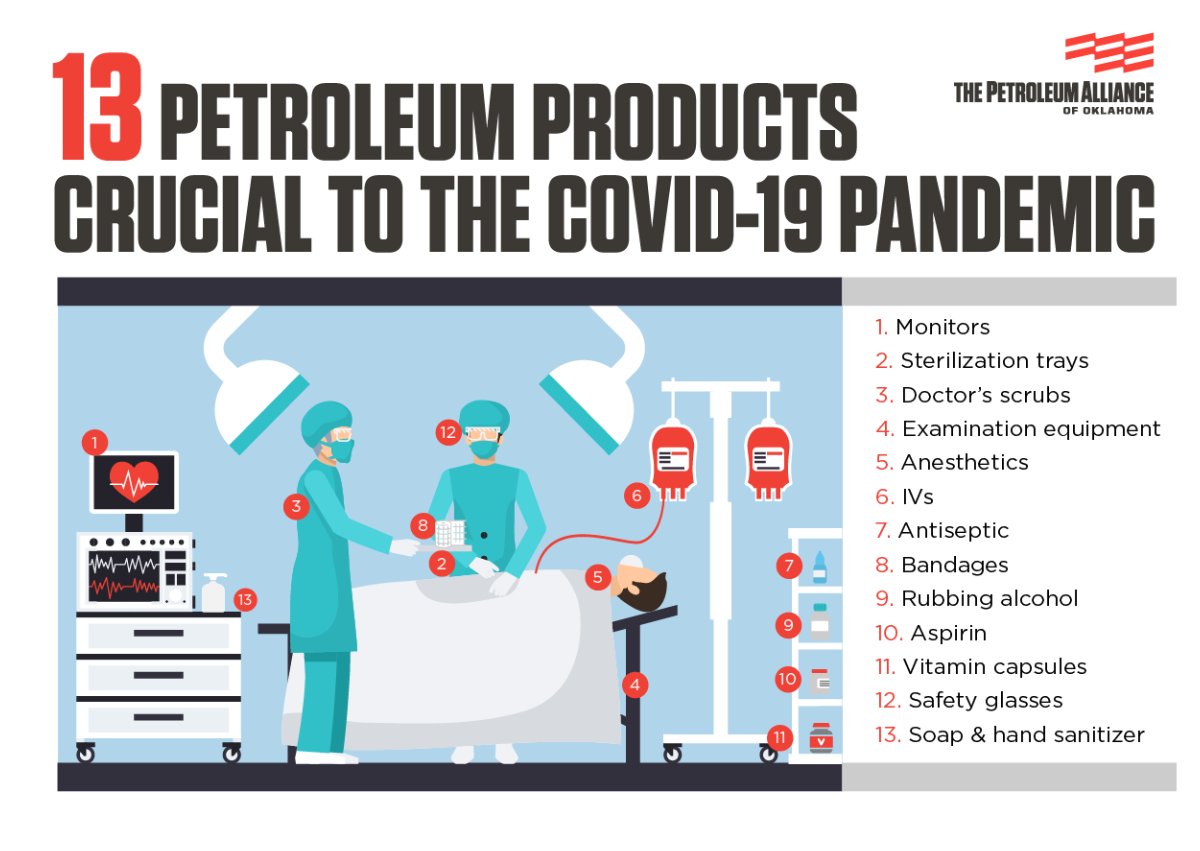
 Yesterday Range Resources announced it is hacking off another $90 million from its 2020 budget. In January the company announced it would reduce its 2020 budget by 29%, from spending $728 million last year to $520 million this year (see
  The Delaware River Basin Commission (DRBC) has been co-opted by Big Green groups to do their bidding. The latest example is a letter sent by DRBC to the Federal Energy Regulatory Commission (FERC), arrogantly telling FERC that the DRBC has the power to review the PennEast Pipeline project–to pass judgment on whether or not (and how) it gets built. That authority lies SOLELY with FERC.
 Last December the U.S. Fish and Wildlife Service (FWS) filed a request with the Federal Energy Regulatory Commission (FERC) asking for an extra 60 days to revise an Endangered Species Act (ESA) review of the Mountain Valley Pipeline (MVP) project. In February they asked for another 45-day extension (see
 Is this an April Fool’s joke? Bloomberg is reporting comments from Damien Courvalin, Head of Energy Research & Senior Commodity Strategist at Goldman Sachs, saying U.S. shale oil drillers will emerge from the current oil price crash as “a winner.” This is the opposite of every other analyst we’ve read. What does Courvalin see that’s different from everyone else?