
CELDF Now an 8-Time Loser re Youngstown Frack Ban Ballot Vote
 Virulent anti-drillers in Youngstown, OH have now tried eight times to pass a so-called Community Bill of Rights ballot measure–and have failed all eight times, most recently on Tuesday. The local yokels from Youngstown working on the initiative are pawns, useful idiots, for an ultra-radical group from Pennsylvania called the Community Environmental Legal Defense Fund (CELDF). The CELDF is behind dozens of such efforts, none of which has been successful. The Youngstown ballot measure sought to ban fracking and ban any company related to the extraction of fossil fuels from operating in the city. The CELDF is also behind a number of bizarre lawsuits–like the one claiming that an ecosystem is a “person” with rights (see CELDF Loses Case to Represent Ecosystem – Turtles Disappointed). Truly nuts.
Read More “CELDF Now an 8-Time Loser re Youngstown Frack Ban Ballot Vote”
 From time to time we read about, and bring you news about, companies in our industry floating “notes”–what we call IOUs–a form of debt used to finance new spending or (in this case) refinance and pay off older debt. We’re not high finance experts, but it always looks to us like an elaborate shell game of robbing Peter to pay Paul. Just kick the debt can on down the road. But so many companies do it, there’s obviously some advantage. The latest, and biggest by far we’ve seen, is MPLX (MarkWest Energy). They just announced they are floating a whopping $2.25 billion of “unsecured senior notes.” MPLX will use $750 million of it to pay off older notes, and the rest to repay loans borrowed under the company’s revolving credit facility, and repay loans made to parent company Marathon Petroleum.
 We get pretty exercised over the ongoing abuse and total corruption of our justice system at the hands of Democrat Attorneys General who have sold access to their offices to Big Green funders. We previously told you about a pair of new reports shining a light on corrupt AGs in New York and other states, abusing their offices in an attempt to criminalize fossil fuel companies (see
 The “best of the rest”–stories that caught MDN’s eye that you may be interested in reading: Judge weighs other courts’ pro-pipeline rulings before PennEast decision; The out-of-control NY Attorney General’s office takes on ExxonMobil; XTO Energy brings ‘Introduce a Girl to Engineering Day’ STEM program to Ohio; Kinder Morgan fires up Sabine Pass pipeline; California dreamin’ about a fracking ban that may never come; Global Climate Action summit silent on natural gas progress.
 Miracle of miracles, two (!) Democrat FERC commissioners (Cheryl LaFleur and Dick Glick), along with one Republican commissioner (Chairman Neil Chatterjee), voted unanimously to extend the time frame by another two years for Williams to build the Constitution Pipeline. As you may recall, the Constitution was stopped cold by corrupt NY Gov. Andrew Cuomo and his lackeys at the state Dept. of Environmental Conservation (DEC). Constitution is planned to run from Susquehanna County, PA up into, and mostly situated in, New York State. Cuomo won’t be happy with this decision because it’s a very loud and clear signal that FERC believes the project *will* some day get built.
 Yet another Range Resources alumnus is now working for someone else–himself. Matt Curry, a chemical engineer and Pittsburgh native who used to work for Range, along with Chris Combs, who’s worked for a number of drilling services companies in Texas, co-founded Praetorian Energy Solutions, a “pressure pumping and pumpdown services” headquartered in Canonsburg, PA. The company, launched earlier this year, is (so far) working in the Eagle Ford Shale play in Texas–because that’s where they bought their equipment. That equipment will be heading north soon to operate in the Marcellus/Utica. What is a pressure pumping/pumpdown company?
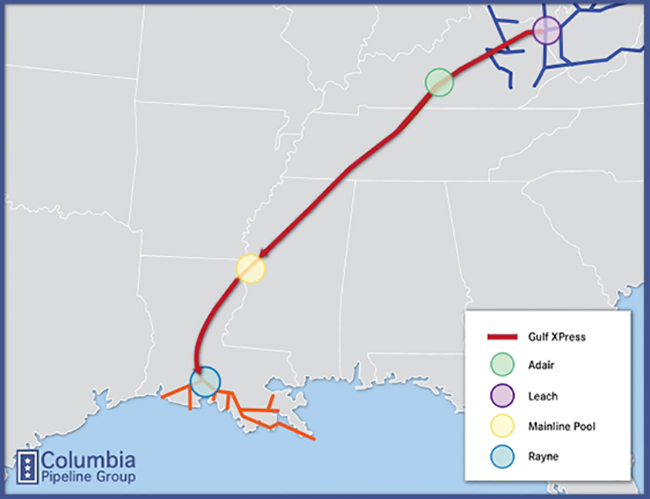
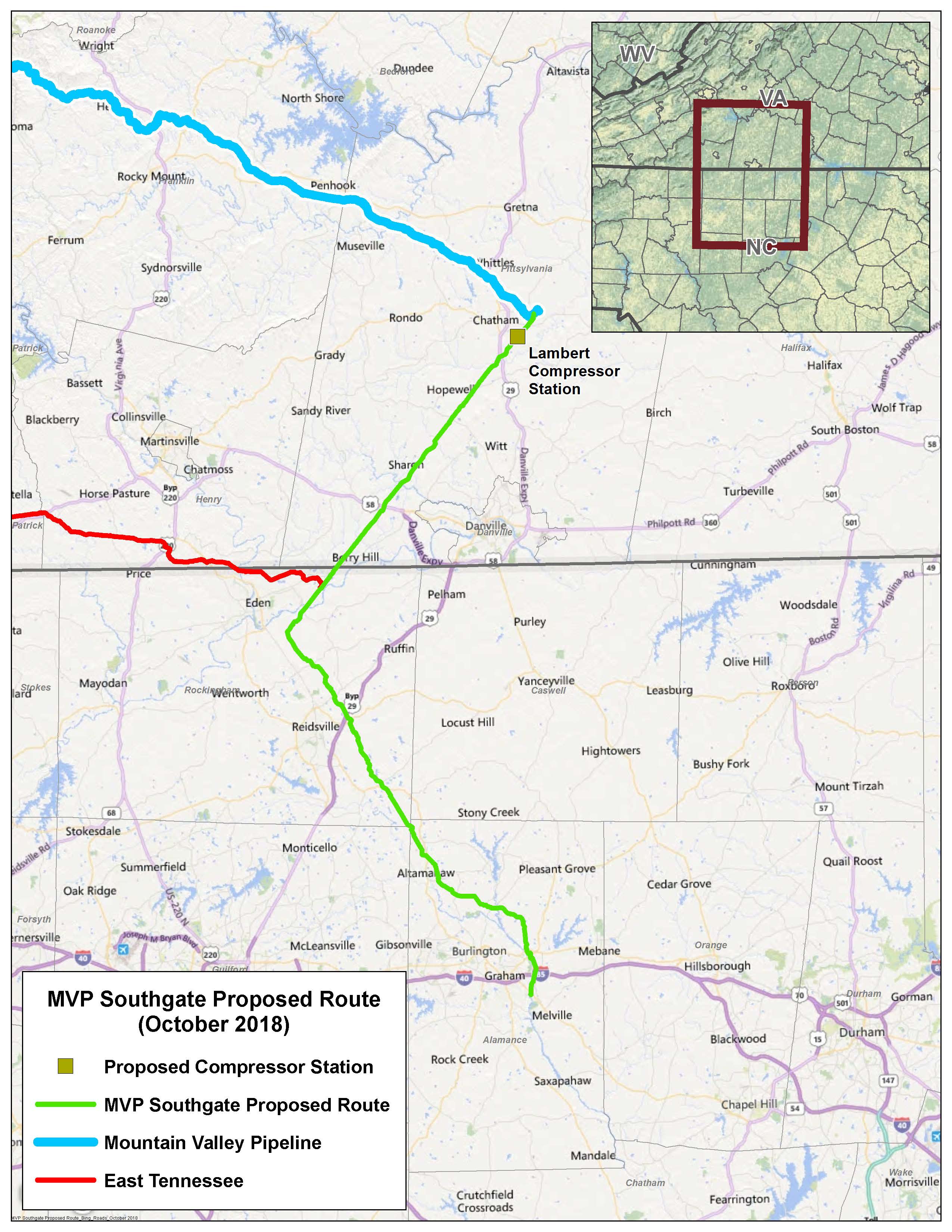
 More than four years ago MDN posed the question, could an alternate trading hub like Dominion South in Pennsylvania ever replace the venerable Henry Hub trading hub in Louisiana as the world benchmark (see
 We spotted an intriguing editorial in the Williamsport Sun-Gazette. It quotes a study by “an independent, market-based think tank” with some phenomenal findings. If you invest $1 million in solar, over a 30-year period you’ll get around 25 million kilowatt hours of electricity. If you invest that same $1 million in wind, you’ll get 50 million kilowatt hours over a 30-year period. But if you invest the same $1 million in natural gas-fired electric generation (cost to extract the gas, etc.), you’ll get 400 million kilowatt hours of electricity over 30 years! Natgas yields 8 times as much electricity per dollar as wind, and 16 times as much as solar.
 Who regulates what when it comes to the federal government and the oil and gas industry? We have an alphabet soup of federal agencies and agencies within agencies that regulate some aspects of drilling (on federal lands), pipelines, and by extension (because of air emissions) compressor stations, trucking and more when it comes to our industry. We recently spotted a helpful article that gives a high-level overview of who is regulating what. It’ll make your head spin! And this is just at the federal level. Add to this each state with its own regulatory fiefdoms and it’s a miracle any drilling ever happens.
 The deal is done. On Monday, Encino Acquisition Partners completed its purchase of all of Chesapeake Energy’s Ohio Utica Shale assets for $2 billion, originally announced in July (see
 If all goes as planned, this Friday U.S. Well Services (USWS), a company that specializes in fracking shale wells using gas-fired electric (as opposed to diesel) engines, will begin to trade its stock publicly. USWS has operations in the Marcellus/Utica, as well as other plays. Does the company sound familiar? Last week we told you that Pittsburgh-based driller Huntley & Huntley has contracted with USWS to frack the wells it is drilling (see
 Last week National Fuel Gas Company (NFG), which operates drilling subsidiary Seneca Resources and pipeline subsidiary Empire Pipeline, issued its fourth quarter 2018 (everyone else’s 3Q18) update. Via Seneca Resources, NFG drills wells in northcentral and northwestern PA. Via Empire Pipeline, they build and maintain hundreds of miles of pipelines in PA and New York, where the company is headquartered. NFG operates a utility (gas and electric) company in addition to Seneca and Empire. A lot of spinning plates to watch. But they do a great job. Much of the focus of the update was on the upstream–on Seneca Resources. According to CEO Ron Tanski, in 2019 more than half of the company’s capital expenditures will go for Seneca’s drilling program. Seneca has and will continue to operate three drilling rigs, with plans to expand production by 24%.
 As of September, the 1,000-megawatt Moxie Freedom Marcellus-fired power plant located near Wilkes-Barre, PA (Luzerne County) is up and running and feeding electricity it produces into the local power grid (see