Cabot Sets it Sights on Richland County, OH for 4th Test Well
 Cabot Oil & Gas is drilling test wells in north central Ohio looking for “what’s next” after the Marcellus. So far Cabot, long known for its prolific production in the Marcellus Shale, has drilled two test wells and is in the process of permitting/drilling a third well, all in Ashland County, OH. Now Cabot is turning its sights on neighboring Richland County. Last Tuesday Cabot reps briefed Richland County commissioners on what they’re doing in Ashland County, and what they would like to do in Richland. Here’s the latest on Cabot’s effort to locate a new rock layer, hoping to spin straw into gold like they’ve done in Susquehanna County, PA…
Read More “Cabot Sets it Sights on Richland County, OH for 4th Test Well”
 According to a report from BTU Analytics, the top three shippers who will soon flow natural gas along Williams’ Atlantic Sunrise Pipeline (ASP)–Cabot Oil & Gas, Seneca Resources and Chief Oil & Gas–have “nearly doubled” their rig counts over the past few months leading up to the imminent startup of ASP. The pipeline is due to go online any day now–by the end of August (see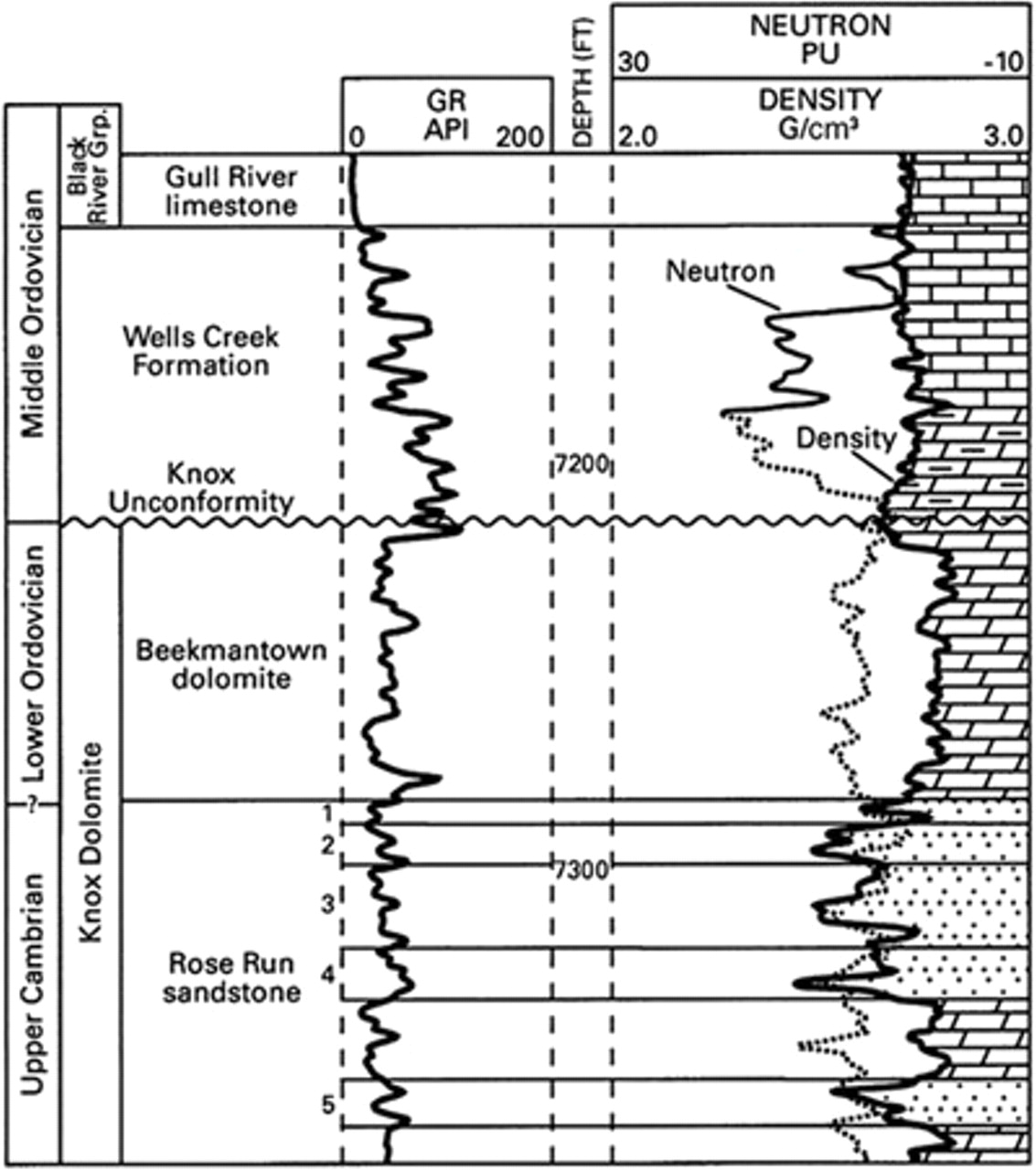
 We spotted an article covering a “rally” of maybe 20 people (judging by the pictures) who gathered on the bank of the Clear Fork of the Mohican River in Ashland County, OH this past Sunday. The group was there to protest Cabot Oil & Gas drilling a few test wells in the area to see if there’s anything in the region worth drilling for. Out of state radicals calling themselves “pipeline fighters” who had engaged in illegal activities against the Dakota Access Pipeline where there to whip up the locals–maybe convince them to do something illegal too. That’s how this kind of insanity spreads–by human contact. Anywho, the most interesting part of the article for us was not about the machinations of antis and their big boasts of how they’ll stop fracking. Instead, the most interesting part was an explanation of how Cabot came by the acreage they’ve leased in central Ohio, and how much money Cabot is offering landowners to amend existing lease agreements…


 UGI, a large utility (and pipeline) company located in Pennsylvania, has announced they will expand a northeastern PA pipeline gathering system. UGI built what they call the Auburn Gathering System between 2011 and 2015–46 miles of pipe, two compressors stations and various other pipeline related facilities located in Susquehanna, Wyoming, and Luzerne counties (near Scranton). UGI spent $215 million to build the system, a system that currently flows 470 million cubic feet per day (MMcf/d) of natural gas. Much (most?) of that the gas comes from Cabot Oil and Gas in Susquehanna County. The new news is that UGI will build two new compressor stations, adding to the existing two, which will increase flows through the system by another 150 MMcf/d–all of the increase coming from Cabot. Here’s the good news that more Cabot gas will soon flow through the Auburn System, connecting with two of the biggest pipeline systems in the country–the Tennessee Gas Pipeline (Kinder Morgan) and the Transco Pipeline (Williams)…
 The average worker who works for producers (i.e. drillers) in the Pennsylvania Marcellus makes among the highest average salaries of any industry in the state. Looking at six of the state’s top Marcellus drillers, the average worker made $113,610 last year! That’s an average taken from workers at CNX Resources, Range Resources, Chesapeake Energy, Southwestern Energy, EQT and Cabot Oil & Gas. We hasten to add not “all workers” but “average” or “median” workers–meaning there are people who make below that number and people who make well above that number. It also means the majority of Marcellus workers in those companies made at least $100,000 per year. Those working for oilfield services (OFS) companies like Halliburton, Baker Hughes and others didn’t fare quite as well, making an average of $52,000-$80,000 per year. Still, hey, it ain’t bad money! Here’s a look at the average wage for top Marcellus drillers and the OFS companies that serve them…