
CNG/LNG | Dominion Energy | Energy Services | Exporting | Industrywide Issues | Maryland | Regulation | Statewide MD
DOE Approves Cove Point, Six Other Plants to Export LNG Thru 2050
 Last week the U.S. Dept. of Energy announced it has extended the terms of seven long-term liquefied natural gas (LNG) export authorizations through 2050. One of the facilities receiving an extension is the Cove Point LNG export facility in Maryland, a facility that exports 100% Marcellus molecules.
Read More “DOE Approves Cove Point, Six Other Plants to Export LNG Thru 2050”
 Anti-fossil fuel nutters believe they have an opening to try and bully the Federal Energy Regulatory Commission (FERC) into de-certifying a fully permitted and ready-to-start compressor station in Weymouth, Massachusetts because of an “emergency” release of a few puffs of natural gas during final testing of the facility.
 Energy Transfer (Sunoco Pipeline) is pushing back against a demand by the Pennsylvania Dept. of Environmental Protection (DEP) that the company’s Mariner East 2X pipeline project be rerouted around Marsh Creek State Park (in Chester County, PA) following a drilling mud spill in August. Sunoco has asked the PA Environmental Hearing Board, a special court created to hear appeals of DEP decisions, to override the DEP’s demand to reroute ME2X.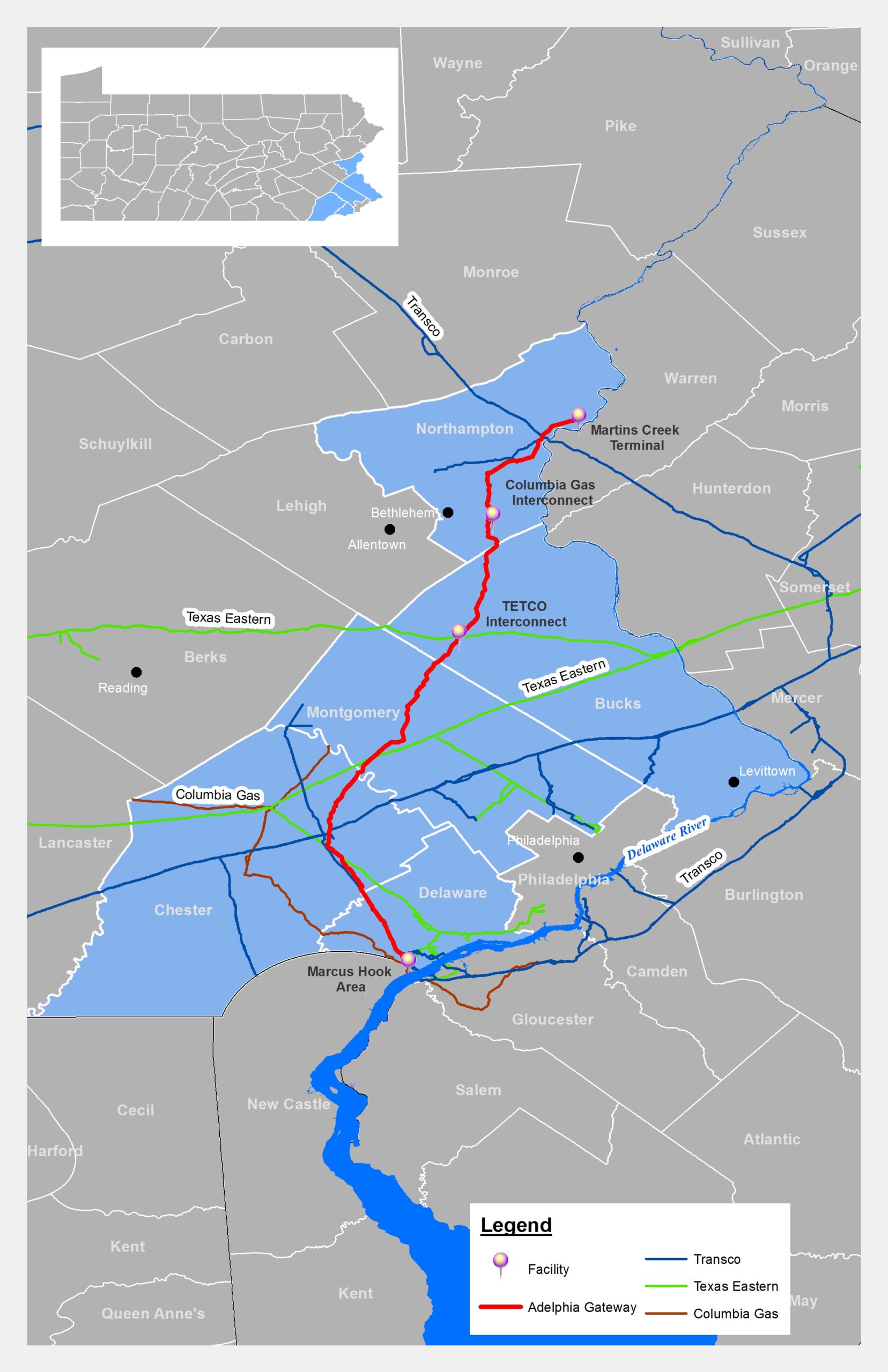
 In June MDN told you that the East Pittsburgh Borough Zoning Board, bullied by anti-fossil fuel radicals, had revoked a permit allowing a series of Marcellus Shale wells to be drilled on the property of U.S. Steel Corp.’s Edgar Thomson steel mill, the oldest still-operating steel mill in the country (see
  Once again the Mariner East 2 pipeline project is up Snitz Creek…without a paddle? There have been a number of “inadvertent returns” or mud spills in Snitz Creek, place where drilling mud is used to grease a drill bit for drilling holes under the creek. Mud has popped up where it’s not supposed to. Some of the mud spills have been, literally, just a couple of gallons. NOTHING. A recent spill on Oct. 19 was for 200 gallons.
 Pennsylvania is so lucky to have a group of talented state legislators in both the House and Senate. Last week a group of House Republicans introduced a group of new bills they have dubbed “Commonwealth’s COVID Comeback.” The bills are aimed at bringing more jobs to the Keystone State in the manufacturing and energy sector. One of the bills is squarely aimed at getting the foot-draggers at the Dept. of Environmental Protection (DEP) to approve permits faster.
 Sometimes plans change, for the better! That’s what has happened with a Marcellus-fired power plant planned for Clinton County, PA called the Renovo Energy Center. The last time we wrote about Renovo was in February 2018 (see
  The U.S. Court of Appeals for the First Circuit, located in Massachusetts, has ruled that Enbridge, builder of the Weymouth compressor station, can keep a previously-issued state permit for the station, a permit that allows it to operate. This is the final humiliation and defeat of rabid anti-fossil fuelers who dedicated themselves to blocking the plant.
 The Westmoreland Sanitary Landfill in Westmoreland County, PA (southwestern corner of the state, near Pittsburgh) was fined $24,000 earlier this year (see
  After more than a year of being on pause due to lawsuits from Big Green groups, the 92%-complete Mountain Valley Pipeline (MVP) finally has permission to resume construction in West Virginia and Virginia. Late Friday the Federal Energy Regulatory Commission (FERC) granted permission to MVP to restart work on all but a 25-mile segment. We suspect workers are back on the job even as you read this.
 Anti-fossil fuelers have struck out again with another of their wild claims about pipelines poisoning the environment. Antis alleged steel pipes coated with epoxy (that had to sit in storage on location for years due to sham lawsuits by Big Green groups), are not safe. The Federal Energy Regulatory Commission (FERC) says otherwise.
 In September, the new owner of Magnolia LNG, investment firm Glenfarne Group, along with Kinder Morgan (which plans to build a pipeline to the Magnolia facility), asked the Federal Energy Regulatory Commission (FERC) to extend the time to build the project (see
  Here’s a new one for us: The Leach XPress pipeline project has a teeny tiny presence in the southwestern corner of Pennsylvania. We did not know that! Just 1.74 miles of the pipeline runs through PA, but that small section has earned the builder, Columbia Gas, a big fine.