
Allegheny County | Anti-Drilling/Fossil Fuel | Hydraulic Fracturing | Industrywide Issues | Pennsylvania | Regulation
Franklin Park Tries to Block Fracking After Rejecting $1M+ Proposal
 It appears the “leaders” of Franklin Park Borough in Allegheny County aren’t satisfied enough that they’ve rejected a free $1 million from PennEnergy Resources to drill under a town park (see Franklin Park Turns Down $1M+ to Drill Under Linbrook Park). Nope. Now they essentially want to ban fracking in the borough by passing an onerous new zoning ordinance.
Read More “Franklin Park Tries to Block Fracking After Rejecting $1M+ Proposal”

 The Pennsylvania Public Utility Commission (PUC) yesterday upheld an administrative law judge’s December decision against an “emergency” request by pipeline opponents to shut down both Mariner East 1 and 2 by claiming they are unsafe and need to be stopped. Can we FINALLY put this to rest and move on? ME1 and ME2 are both now online. There’s no going back.
 Shell has calmed the troubled Ambridge waters–that is, the Ambridge Water Authority waters. Shell hit a snag with plans to build its Falcon Ethane Pipeline when the Ambridge Water Authority claimed construction of the pipeline under several streams feeding the Ambridge reservoir would endanger the drinking water for 30,000 people (see
  The political “leaders” in Franklin Park (Allegheny County, near Pittsburgh) have decided to reject a proposal to drill a shale well under (not on) the 80-acre Linbrook Park. With a signing bonus of $283,500 plus 18% royalties, the Franklin Park Borough would have seen revenue of *at least* $1 million. Talk about stupid.
 Did the Pennsylvania Supreme Court err in its judgment declaring so-called “stripper wells” can be taxed under the 2012 Act 13 law, slapped with an impact fee assessment, if those wells produce more than 90 thousand cubic feet per day (Mcf/d) of gas in a single month (see
 There are companies that will purchase landowners’ (rights owners) royalty payments–giving them a lump sum payment up front in return for signing over all future royalty payments to the company buying the rights. Peregrine Energy Partners is one such company and has just purchased an unspecified amount of royalty payments in Greene County, PA.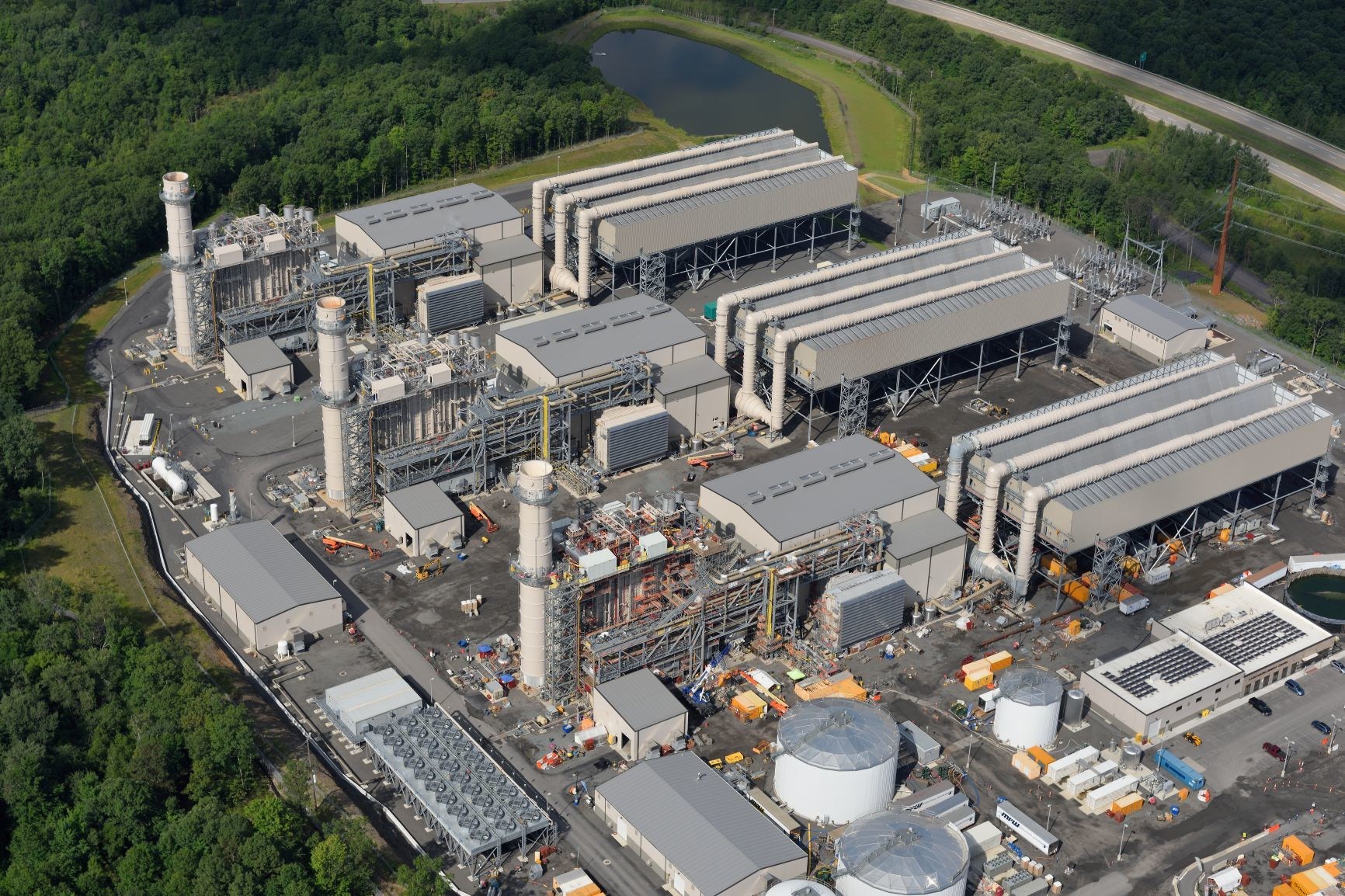

 The mystery is now solved. Last week we incorrectly (based on a Pittsburgh Tribune-Review article) reported that FirstEnergy wants to drill a well under (not on) Linbrook Park, located in the Borough of Franklin Park in Allegheny County (
 According to RBN Energy, “U.S. production of natural gas liquids is projected to increase by 17% this year, and by another 10% in 2020.” NGLs cover a variety of hydrocarbons. Two NGLs, propane and butane, are further classified as LPG–or liquefied petroleum gas. Of the four “smaller” LPG export facilities here in the U.S., two-thirds of all exported LPGs last year came from one–Energy Transfer’s Marcus Hook refinery near Philadelphia.
 We’ve been tracking a story since November about a new, smallish (but very important) LNG export plant coming to Bradford County, PA, to Wyalusing (see
  Our friend Tom Shepstone (