 Last week MDN told you that Pennsylvania Gov. Tom Wolf, liberal Democrat, is seriously considering a bizarre cap-and-trade greenhouse gas emission reduction program to eliminate carbon emissions from major sources by 2052 (see PA Gov. Wolf Seriously Considers Marcellus-Killing Cap & Trade). The program is meant to eliminate fossil fuel production and use, including Marcellus Shale production. A couple of authors, one a 35+ year geologist, the other a senior fellow with the Commonwealth Foundation, took note and co-authored a devastating article appearing on The Daily Caller that punctures cap-and-trade in general, and Wolf’s dalliance with it in particular. Wolf invoked the argument that this year has been far rainier than normal in PA, which must, of course, be due to man-made global warming. The co-authors use actual, real data on rain conditions and amounts to completely obliterate Wolf’s arguments–making him look like the fool he is.
Read More “Raining on Gov. Wolf’s Parade – No Scientific Basis for Cap & Trade”


 Pennsylvania strippers are back in the news. Hold on, this is a family-friendly site! We’re talking about stripper wells.
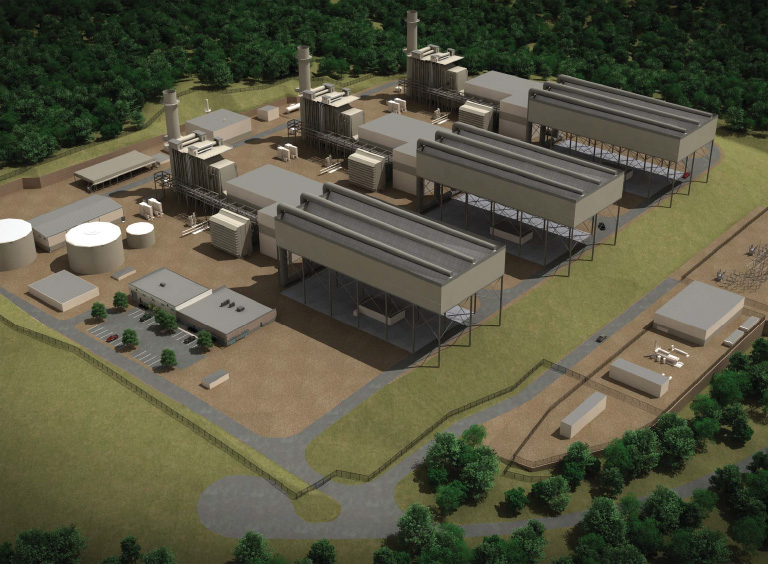 On Sunday, Dec. 23, residents living near the Lackawanna Energy Center (LEC) in Jessup, PA (near Scranton) woke to a loud noise that sounded like a jet engine–and the release of natural gas into the air.
 Tenaska Westmoreland Generating Station, a new natural gas-fueled power plant in southwest Pennsylvania, is now online.
 In January 2016, Invenergy announced their intention to build a natgas-powered electric plant in Elizabeth Township, in Allegheny County (see
  Following an extensive (underscore extensive) review, the Pennsylvania Department of Environmental Protection (DEP) has approved the permit applications for Shell’s Falcon ethane pipeline project.
 Because of lawsuits, regulatory actions by Pennsylvania, and (most relevant) delays from problematic underground geology near Philadelphia, the Mariner East 2 and 2X pipelines, being laid side by side, will temporarily use a 12-inch pipeline near Philadelphia already in the ground but no longer in use to patch together and complete the ME2 and 2X project.
 As we previously reported, an explosion and fire last week at the MarkWest Energy natural gas processing plant in Chartiers (Washington County), PA sent four people to the hospital–carried there by helicopter (see
  Two separate cases before U.S. District Judge David S. Cercone (in Pennsylvania) were settled yesterday by EQT. One of class action cases, brought against EQT, alleged the company had intentionally misclassified employees as independent contractors to avoid paying overtime. The settlement awards “more than 100” workers back wages totaling $2.8 million. The other class action case is similar, except it was filed against Rice Energy before Rice was bought out by EQT. Now that Rice is part of EQT, it is EQT paying the bills. In the Rice Energy lawsuit, some 90 workers are being paid $2.9 million for unpaid overtime. Wednesday was an expensive day for EQT.


 Last week MDN told you about onerous new regulations being proposed by the Pennsylvania Dept. of Environmental Protection (DEP) to cut down on supposed methane and volatile organic compound (VOC) emissions coming from *existing* oil and gas wells and pipelines (see