
Delayed Michigan Gas-Fired Plant Close to Construction Start
 In October 2016, Indeck Energy announced a plan to build a $1 billion electric generating plant (powered by natural gas) in Niles, Michigan, not far from Chicago (see $1B Electric Plant Planned Near Chicago, M-U Connection?). In February 2018, Indeck said construction would begin in summer 2018 (see Indeck to Start Building $1B Gas-Powered Electric Plant in Michigan). Never happened.
Read More “Delayed Michigan Gas-Fired Plant Close to Construction Start”
 MARCELLUS/UTICA REGION: Gas pipeline would ‘rip up the clam beds’ in N.J. for New Yorkers’ sake, foes say; PUCO approves plan to bring natural gas to Belpre; OTHER U.S. REGIONS: Chevron, Exxon take turns wooing investors with shale boasts; Dominion offering early retirements after merger with S.C. utility; NATIONAL: Republicans defeat Green New Deal in U.S. Senate vote; Potential for risk and reward for U.S. LNG exporters; What it takes for an LNG export project to reach FID; Gassing up.
 The proxy war between Toby and Derek Rice and current management at EQT continues. It’s now turned into a press release war. Every few days one or the other (or both) sides issue press releases to try and convince shareholders *their* side is the winning/righteous/justified side in this war. Yesterday EQT fired off another round by issuing a press release to announce the release of a new PowerPoint slide deck.
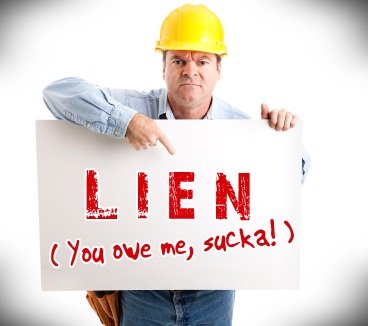 This stuff makes us angry. Just yesterday we told you about a contractor using the sleazy tactic of filing “mechanic’s liens” against landowners in western New York State because of a payment dispute with the company building a wind farm on their property (see
  When we spotted a headline about Duke Energy, joint venture partner with Dominion Energy in the 600-mile Atlantic Coast Pipeline (ACP) project, investigating “Plan B” for what to do if ACP doesn’t get built, we thought, “Oh oh. This is a sure sign the project is in trouble and the principles are giving up.” But we should have known–it’s Bloomberg! It’s Biased news with a capital B.
 Andrew Cuomo, contrary to the picture he attempts to paint for gullible voters and the even more gullible mainstream news reporters, is a very weak “leader.” In what has become an identifiable pattern, when Cuomo is put under pressure by the fringe left environmental lobby, he folds to that pressure like a cheap suit. Totally gives in and accedes to whatever weird demands they make–like no new gas pipelines. Even when it economically hurts the state.
 If you’ve hung around MDN for long and read our posts on the U.S. Energy Information Administration’s (EIA) monthly Drilling Productivity Report (DPR), you’ve come across talk about DUCs–
 The International Energy Agency has just released its latest assessment of global energy consumption and energy-related CO2 emissions for 2018. The “Global Energy & CO2 Status Report” (full copy below) provides a high-level and up-to-date view of energy markets, including latest available data for oil, natural gas, coal, wind, solar, nuclear power, electricity, and energy efficiency. The big winner in 2018 across Planet Earth? Natural gas.

 How many times will Pennsyvlania voters (voters in general across the U.S.) continue to fall for the same old Democrat lies? “All it takes is more money. We’re almost there. Raise XYZ taxes [like a new 4.5% “severance” tax in PA] and we’ll have it. That will cure [fill in the blank]…lead problems in schools, hunger, heck, it might even cure cancer!” That’s the line of bull being fed by PA Gov. Wolf to (really stupid and gullible) Pennsylvanians about the need for a Marcellus-killing severance tax.
 You can “hear” the indignation in the Philadelphia Inquirer article. Mariner East 2 (ME2) Pipeline, which (according to antis) shouldn’t be allowed to continue their construction activities, is not only continuing said activities in Chester County, PA, ME2 is going to put a pipeline right through the middle of a (gasp) girl’s softball field! When the season is just about to begin. HOW DARE THEY?!