
Titan Energy Puts 494K Appalachian Acres Up for Sale
 Titan Energy, which used to be known as Atlas Energy/Resource Partners, is today listing what appears to be the rest of the acreage they still own on the Appalachian basin–some 494,229 acres–including rights for drilling in the Marcellus/Utica. An astonishing 100% of the acreage is HBP, or held by production–meaning there are working or drilled wells. Not all of it is shale-related. We suspect a good portion of the acreage is conventional (vertical only). However, there is a significant number of acres where Marcellus/Utica drilling can be done that the sale should pique the interest of competitors. The acreage is being offered in seven states: New York, Pennsylvania, West Virginia, Ohio, Indiana, Kentucky and Tennessee. In addition to rights in the Marcellus/Utica, rights are also available in the Upper Devonian, New Albany and Chattanooga shale plays. Here is the low down on the acreage sale, along with a reminder of who Titan (nee Atlas) is, and why this is an important sale…
Read More “Titan Energy Puts 494K Appalachian Acres Up for Sale”

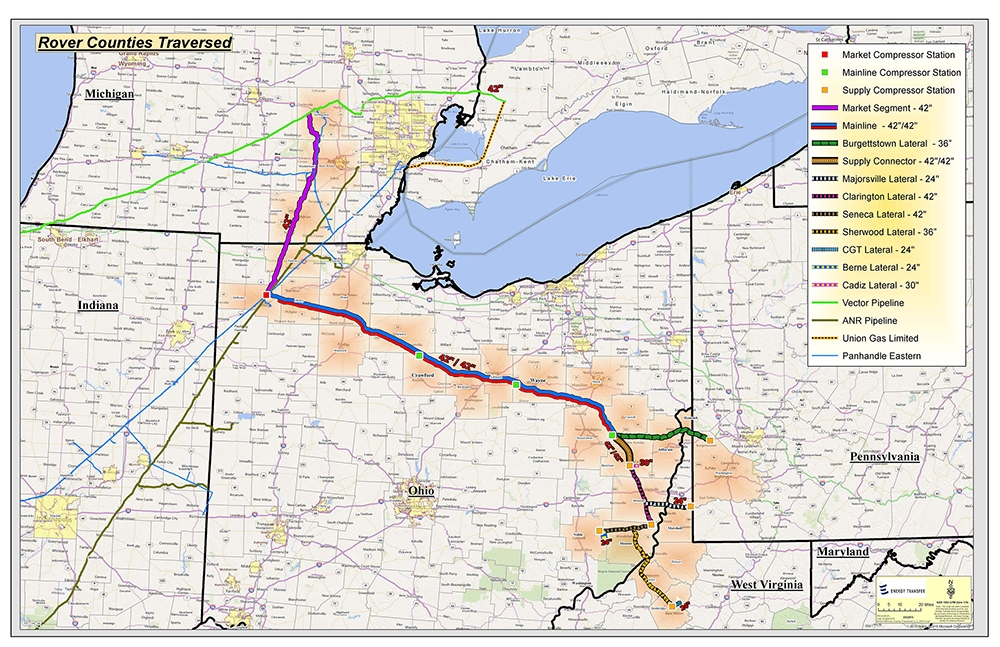
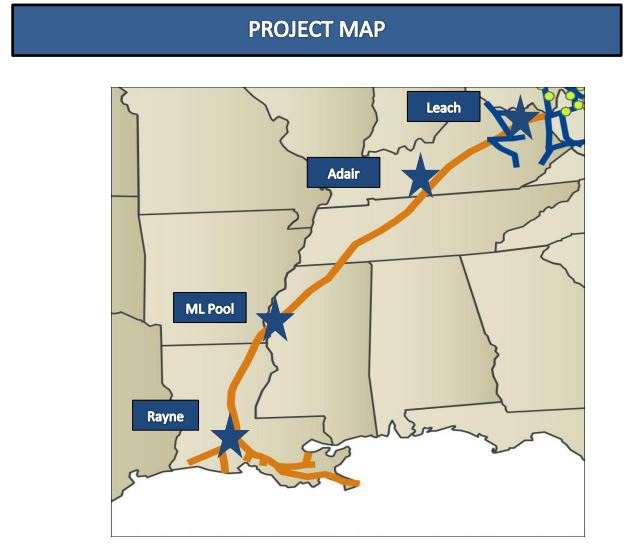


 Looks to us like Donald Trump’s faith in Federal Energy Regulatory Commission (FERC) Commissioner Cheryl LaFleur was well-placed. As we previously noted, Trump has put LaFluer in charge of the agency as Chairman, which caused the existing Chairman of FERC, Norm Bay, to resign in a huff (see
  In December the Bureau of Land Management proceeded with an online auction for BLM-controlled land in Ohio’s Wayne National Forest (see
  We caught sight of an interesting new study just published in the journal BMC Microbiology by researchers at the University of Arkansas/Fayetteville. Researchers studied (did in the field studies) of streams both near and far from fracking activities in the Arkansas Fayetteville Shale. No, the research is not directly about the Marcellus/Utica, although our shale plays are mentioned several times in the study. However, the research and its results apply to our region as well as all shale plays. In the study just published titled, “Do biofilm communities respond to the chemical signatures of fracking? A test involving streams in North-central Arkansas” (full copy below), researchers looked to see if the chemistry of streams was altered by nearby fracking activity. They evaluated “benthic biofilm community composition as a proxy for stream chemistry” to see if bacteria and other tiny critters that show up under a microscope display differences between the streams near fracking, and those not near fracking activity. What did they find? No difference. No change. No impacts from fracking on streams and the microbiology of those streams. What they did find is that streams are affected by agriculture and urbanization…
 The “best of the rest” – stories that caught MDN’s eye that you may be interested in reading. In today’s lineup: Processing plants in PA/OH improve economic development; frack ban bill introduced in Maryland legislature (again); trust-funders fun Delaware Riverkeeper; Indians tell paid Dakota Access Pipeline protesters to get lost; more Eagle Ford landowners sue Chesapeake Energy re royalties; green hysteria over Trump’s pipeline populism; SO2 emissions down thx to natgas; House votes to overturn Obama rule on natural gas flaring; and more!