
Energy Services | Equitrans/EQT Midstream | Industrywide Issues | Litigation | Pipelines | Statewide VA | Virginia
Mountain Valley Pipeline Settles Lawsuit, Pays Virginia $2.15M
 In October MDN told you Mountain Valley Pipeline (MVP) had been bullied by the Attorney General in Virginia into agreeing to pay a $2.15 million fine and subject itself to stricter monitoring–an ongoing anal exam–as they complete construction of the pipeline in the state (see Fed Court Suspends Mountain Valley Pipe Permits; $2.15M Fine). MVP construction is currently on hold and is due to restart in 2020. Although the AG and MVP both agreed to the outrageous fine and oversight plan in October, it’s not official until a judge signs off–which happened on Wednesday.
Read More “Mountain Valley Pipeline Settles Lawsuit, Pays Virginia $2.15M”
 Columbia Gas of Ohio says it can’t build local natural gas delivery pipelines fast enough to meet the demand for new customers. “We’re adding new customers, commercial, industrial, residential, in every quadrant of the region” according to Columbia Gas President Dan Creekmur. And he doesn’t it see it stopping any time soon. So the company is spending big bucks (nine figures) to build new local gas pipelines–this year!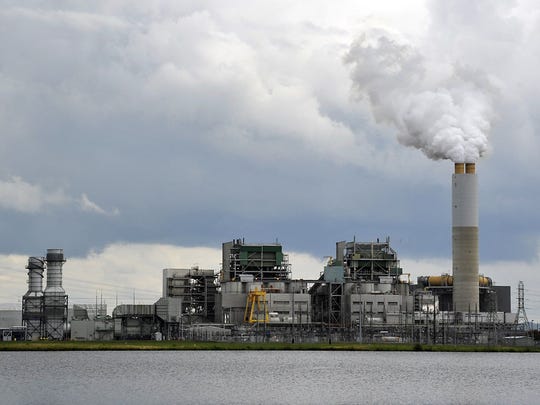

 The U.S. Supreme Court yesterday refused to hear a case that challenged a ruling in the Hoopa Valley Indian Tribe case–a ruling/case that has HUGE implications for Williams’ Constitution Pipeline running through New York State. The Supreme Court rejection is a crushing defeat for Big Green groups Trout Unlimited and California Trout, and very good news for the Constitution project.
 Williams, the pipeline giant, held its annual analyst day in New York City last Friday. The company’s top brass was there to wow and woo investors with the company’s plans for 2020 and beyond. In reading about the session, we picked up on some startling statistics. Stats like Williams now provides 30% of all LNG feed gas in the U.S. And most of that (all of it?) comes from the Marcellus/Utica.
 Dominion Energy’s Atlantic Coast Pipeline (ACP) previously filed a request with the U.S. Supreme Court to overturn a decision by the U.S. Court of Appeals for the Fourth Circuit that judicially creates a new law stipulating pipelines can’t cross under the Appalachian Trail without (no kidding) an Act of Congress. The clown judges of the Fourth Circus (our name for that court) revoked a permit issued by the U.S. Forest Service. A list of 21 business and oil/gas industry groups filed a “friend of the court” brief yesterday supporting ACP, asking the Supremes to reinstate the Forest Service permit for the project.
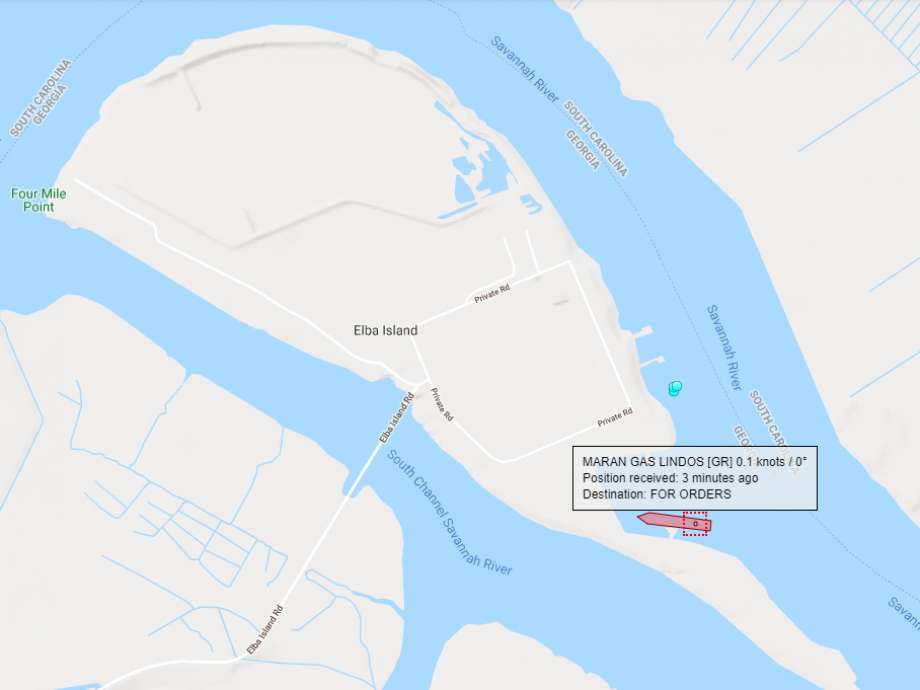
 As far as we can tell, MDN is exclusively breaking the following news: On December 5 (last Thursday), the PHMSA (Pipeline and Hazardous Materials Safety Administration) granted a special permit to Energy Transport Solutions, LLC (i.e. New Fortress Energy) to transport LNG in DOT-113C120 rail tanker cars between Wyalusing, PA and Gibbstown, NJ. This is huge! There still is not a new regulation/law to allow shipment of LNG by rail across the country, but somehow New Fortress has gotten a special permit to do so anyway. Huge!
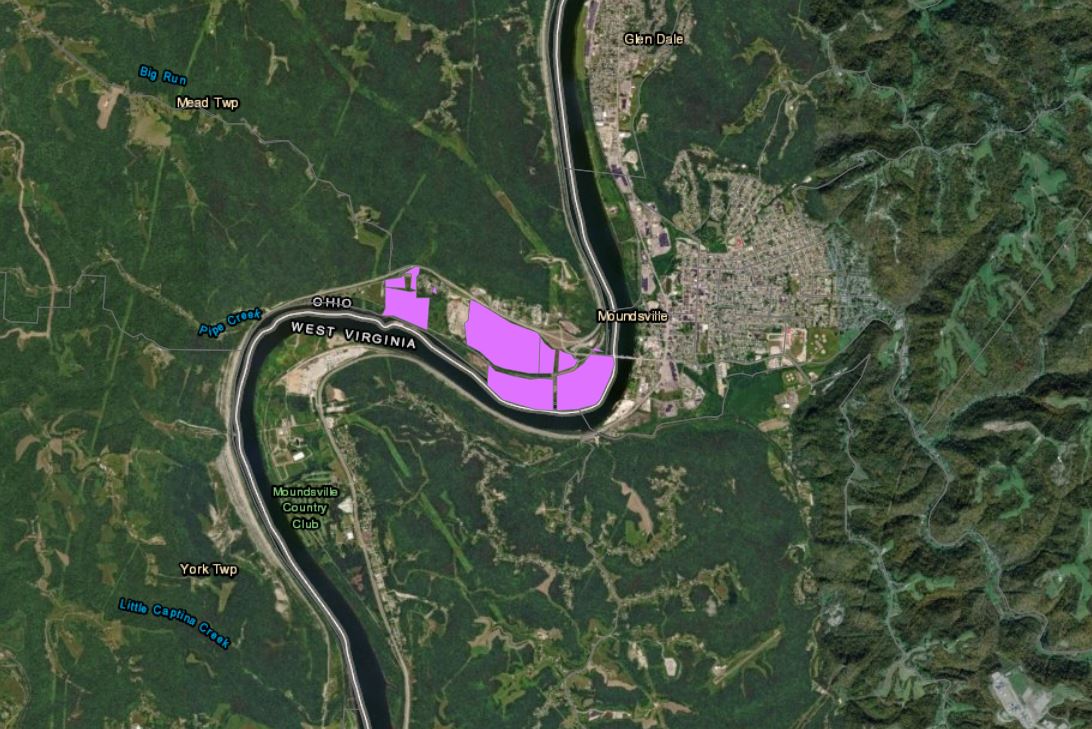
 “Peaker plants” are small electric generating plants that produce electricity for brief periods during high demand. Older peakers were often powered by oil. Newer peakers are powered by natural gas. In early November Dominion Energy floated an RFP (request for proposal) for companies to build a series of peakers (no smaller than 50 megawatts) totaling a combined 1,500 MW to come online beginning 2022 in Virginia. A month later, following criticism from a competitor, Dominion has canceled the RFP…at least for now.

 Dominion Energy’s Atlantic Coast Pipeline (ACP) previously filed a request with the U.S. Supreme Court to overturn a decision by the U.S. Court of Appeals for the Fourth Circuit that judicially creates a new law stipulating pipelines can’t cross under the Appalachian Trail without (no kidding) an Act of Congress. The Supremes get 8,000 such requests each year, and accept maybe 80 (or 1%). Lightning struck. The ACP case was accepted by the Supremes in October (see
  For some time we’ve been concerned about competition for Marcellus/Utica gas coming from western Canada being piped to Canada’s East Coast (see