
WV “Help Out Antero” Bill (re Nuisance Lawsuits) is Dead for 2016
We’ve told you about a bill winding its way through the legislative process in West Virginia that would stop a rash of so-called nuisance lawsuits–primarily against Antero Resources (see WV Senate Bill Stops Frivolous Nuisance Lawsuits Against Drillers). Hundreds of nuisance lawsuits (“they’re too loud, “they leave the lights on too late,” “I don’t like the truck traffic”) have been filed against Antero and other drillers. The lawsuits against Antero have been combined into a class action lawsuit (see More People Pile on Antero, Seek to Join Mass “Nuisance” Lawsuit). It’s a back door way to bring down a company–like a pack of hyenas attacking a giraffe. If the pack is big enough, it can kill its prey. Senate Bill (SB) 508 was meant to stop this insanity, and as of a few weeks ago it was advancing (see 2 Bills Favorable to Drillers Advance in WV Senate – SB 508 & 565). But that was then, this is now. SB 508 is now pretty much dead. A House committee is holding it up and the bill won’t make it to the floor for a vote before the end of WV’s brief 60-day legislative session…
Read More “WV “Help Out Antero” Bill (re Nuisance Lawsuits) is Dead for 2016″

 In the end, not even self-righteous Hollywood actor James Cromwell–who played Zefram Cochrane (mythical creator of the warp engine) in the 1996 movie Star Trek: First Contact (one of our favs)–could stop the chain saws in Susquehanna County, PA. We’ve been telling you about some holdout the anti-drilling Holleran family who didn’t want the much-needed Constitution Pipeline to cross their land (see
 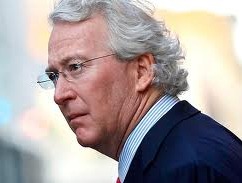 con·spir·a·cy – noun – a secret plan by a group to do something unlawful or harmful. Yesterday the U.S. Department of Justice indicted a single person–Aubrey K. McClendon, on a single count of conspiracy. He is alleged to have conspired to rig bids for oil and gas leases in Oklahoma, his home state, from 2007 to 2012. Do you see the obvious contradiction here? In order to have a conspiracy, you need more than one person. Yet the FBI and the DOJ have brought charges against only one person. It takes at least two people to have a conspiracy–so why has no one else been indicted? McClendon issued a statement (below) blasting the DOJ, pointing out he is the only person in 110 years to be prosecuted under the Sherman Act for bid rigging. What really hurts is that Chesapeake Energy, the company Aubrey co-founded, has been attempting to sell him out in return for not being prosecuted by the DOJ. Anyone else smell a rat in this whole thing?…