
Shareholder Lawsuit Filed Against ET/Sunoco re Mariner East Pipe
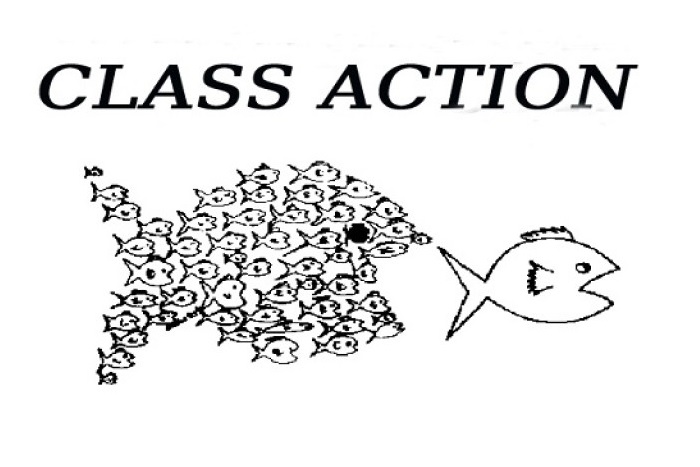 Two weeks ago MDN told you about rumors (unconfirmed, but they seem legit) that the FBI is investigating the PA Gov. Tom Wolf administration over how permits came to be issued for the Mariner East 2 pipeline project (see FBI Investigates Wolf Admin for Corruption re ME Pipe Permits). The allegation is that Wolf or members of his staff pressured the Dept. of Environmental Protection to approve permits for the pipeline project in return for something (money or something else). A law firm is using those rumors to launch a class action lawsuit against Energy Transfer (ET), the builder, on behalf of shareholders alleging ET “misled its investors about its business, operational and compliance policies.”
Read More “Shareholder Lawsuit Filed Against ET/Sunoco re Mariner East Pipe”
 Last week Pennsylvania Attorney General Josh Shapiro sat down to talk with the editorial board/reporters of the Washington (PA) Observer-Reporter. He refused to confirm or deny he’s actively conducting a witch hunt of the PA Marcellus Shale industry, including trotting dozens of people before a grand jury–even though the media has been reporting on his grand jury fishing expedition since February (see
  A leftist anti-fossil group calling itself Protect PT, in Penn Township (Westmoreland County), PA, backed with big money from Big Green groups, continues to sue in an effort to block shale drilling in the township. And they keep losing their lawsuits. Protect PT has launched multiple challenges to a local Penn Township ordinance which allows Apex Energy and Huntley & Huntley to drill and operate wells.
 In September, the U.S. Court of Appeals for the Third Circuit issued a precedent-setting decision that disallows PennEast Pipeline from using the federally-delegated power of eminent domain to cross properties either owned by, or with easements granted to, the state of New Jersey (see
  New York’s Attorney General has viciously gone after ExxonMobil in state court hoping to prove the company knew, for years, that burning its oil and gas would lead to so-called man-made global warming and eventually kill the planet. And, says the vicious AG, Exxon covered it up from investors because someday their stock will be worthless when everyone finds out, and they don’t want investors to know about it just yet. The AG is trying to prove the company has engaged in securities fraud.
 In June 2017, the Pennsylvania Environmental Defense Foundation (PEDF) won a case at the PA Supreme Court by the skin of their teeth (see
  This is a huge disappointment. In September, the U.S. Court of Appeals for the Third Circuit issued a precedent-setting decision that disallows PennEast Pipeline from using the federally-delegated power of eminent domain to cross properties either owned by, or with easements granted to, the state of New Jersey (see
  Yesterday MDN reported on Dominion Energy’s third quarter update from last Friday, a session in which CEO Tom Farrell commented the company’s commitment to building the Atlantic Coast Pipeline (ACP) is “unwavering” (see
  Yesterday MDN brought you the news the Pennsylvania Supreme Court has agreed to hear a case challenging whether or not the state Attorney General’s office has the right to use a consumer protection law to prosecute companies like Chesapeake Energy and Anadarko over royalty payment shenanigans (see
  In December 2015, Pennsylvania’s felony-indicted Attorney General, Kathleen Kane (who later was convicted and did jail time) brought a lawsuit against Chesapeake Energy and Anadarko accusing them of royalty fraud (see
  Of all the issues that drives us crazy, this one is near or at the top of the list–the charge that building a low-emissions compressor station for Dominion Energy’s Atlantic Coast Pipeline (ACP) about an hour outside of Richmond, Virginia is “racist” because it will be built in a community founded by emancipated slaves following the Civil War. The so-called “environmental justice” issue.
 In September, the U.S. Court of Appeals for the Third Circuit issued a precedent-setting decision that disallows PennEast Pipeline from using the federally-delegated power of eminent domain to cross properties either owned by, or with easements granted to, the state of New Jersey (see
  The stakes are about as high as it gets: “The immediate disruption of the natural gas industry,” says PennEast Pipeline. We’re referring to a terrible decision in September by the U.S. Court of Appeals for the Third Circuit that disallows PennEast from using the delegated power of eminent domain to cross properties either owned by, or with easements granted to, the state of New Jersey (see
  The fight to overturn Ohio’s House Bill 6, a $1 billion bailout (freebie) given to FirstEnergy to prop up its uneconomical nuclear power plants is getting nasty. Really nasty. We previously told you about FirstEnergy’s lying commercials that claim China controls the state’s natural gas industry–because a Chinese bank loaned some of the gas-fired plants money (see
  As MDN previously reported, the U.S. Court of Appeals for the Fourth Circuit bought the lies of colluding Big Green groups and decided to put a hold on a permit issued by the U.S. Fish and Wildlife Service (FWS) that allows the Mountain Valley Pipeline (MVP) to build through areas with so-called endangered and threatened species (see