
WV Amendment Creates New $100/Yr Unplugged Well Tax
 Conventional (and maybe shale) oil and gas drillers in West Virginia need to be aware of a late-breaking amendment that will create a new fee (we’d call it a tax) of $100 per year for unplugged wells producing 10 Mcf (10,000 cubic feet) of natural gas. According to the amendment’s sponsor, Sen. William Ihlenfeld II (D-Ohio County), roughly 13,000 wells statewide fit that classification and would generate an extra $800,000 per year for the Department of Environmental Protection’s Office of Oil and Gas.
Read More “WV Amendment Creates New $100/Yr Unplugged Well Tax”
 New Fortress Energy (NFE), which likes to build and own as much of the LNG supply chain as possible, built and operates an LNG import terminal in San Juan, Puerto Rico. After the facility was up and running, the Federal Energy Regulatory Commission (FERC) dinged the company, asking for an explanation as to why they built it without FERC “Mother May I?” permission. New Fortress responded last July saying FERC told them no permission was needed (see
  Yesterday we brought you the news that LOLA Energy continues to transform itself with the purchase of what was EdgeMarc Energy’s shale assets in Butler County, PA (see
  We have to confess we’re not impressed with West Virginia U.S. Senator Joe Manchin (Democrat). We had hoped he might be somewhat independent from the radicals in his own party and provide some balance to an out-of-control leftist agenda being pushed by Chuck Schumer and Joe Biden. Manchin is failing in that regard. He’s just another toady for his party. (We’re not surprised.) The latest evidence that Joe Manchin is not the “man of the people” and “conservative/moderate” Democrat he claims to be comes from his opposition to WV Gov. Jim Justice’s plan to phase out the state income tax–which does have implications for the shale industry.
 LOLA Energy (LOLA stands for
 Pennsylvania Gov. Tom Wolf continues his efforts to force his state, without approval by its citizens (via the legislature) to join the so-called Regional Greenhouse Gas Initiative (RGGI), a glorified carbon tax on coal- and gas-fired power plants. What Wolf and his lackey Pat McDonnell at the Dept. of Environmental Protection refuse to tell PA citizens is just how high the RGGI carbon tax has climbed. The U.S. Energy Information Administration reports the most recent RGGI quarterly auction, held on March 3, 2021, resulted in the highest price (tax) per ton of CO2 yet.
 In a very gentle and diplomatic way, Pennsylvania State Senator John Yudichak (Independent from Wilkes-Barre) told Department of Community & Economic Development (DCED) Secretary Dennis Davin on Monday he’s not doing his job. Yudichak told Davin “site selectors” (people who work with companies to select sites for big manufacturing and other types of facilities across the U.S.) aren’t aware of the tax credits available as part of Act 66, a law passed last year aimed at building new petrochemical plants in PA.
 Yet another attack on the oil and gas industry by the officially out-of-control Democrats in Congress. In years gone by a few fringe leftists from the Democrat Party have introduced several bills, including the FRAC Act, aimed at permanently ripping the U.S. Constitution apart by overriding states’ rights to regulate and control oil and gas drilling within their own borders. Using the faux excuse of man-made global warming, the FRAC Act overrides the individual states and grants broad/sweeping power to the federal Environmental Protection Agency (EPA) to regulate fracking. The Dems are at it again, reintroducing the FRAC Act and four other bills (called the “Frack Pack”), all aimed at restricting/eliminating fracking nationwide.
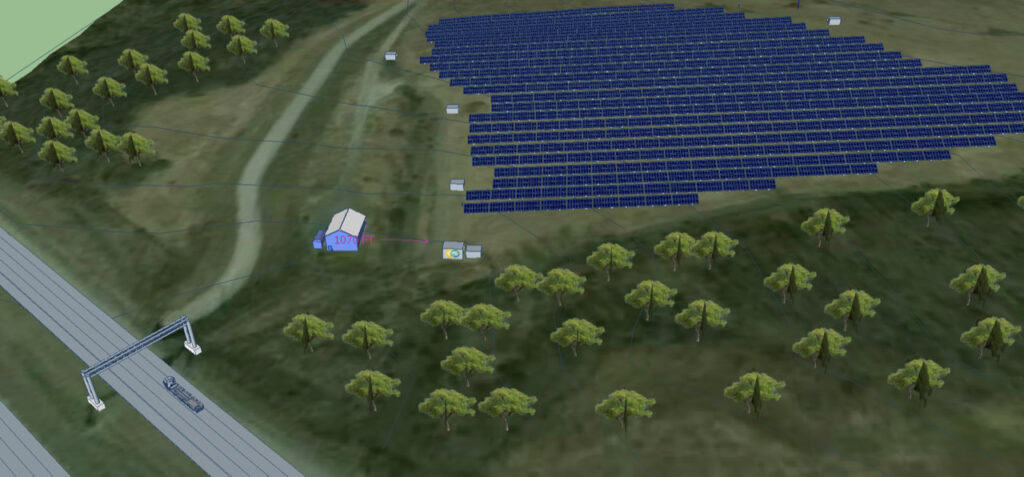 If you live in Pennsylvania, actually in just about any state, you couldn’t miss the big splash made yesterday when PA’s worst governor in the past 50 years, Tom Wolf, announced a massive taxpayer-funded initiative to build seven new solar energy facilities in six PA counties that will strip away some 2,000 acres of valuable PA farmland to produce enough electricity to power just half of PA’s state government. (Perhaps we can call it the half-baked solar project?) Leftists in mainstream media are falling over themselves to praise Wolf. We (as usual) have a different take.
 When Equitrans’ 303-mile Mountain Valley Pipeline, which will connect West Virginia and bountiful supplies of Marcellus/Utica gas to southern Virginia (eventually beyond), is finally done, will Equitrans send a bill to the odious Sierra Club and other Big Green groups that have intentionally held up the project *for years* with a blizzard of frivolous lawsuits? Frivolous lawsuits holding up the MVP project have had very real costs. For example, Equitrans’ “all-in” cost to ship an Mcf of gas through the pipeline (when it finally is in-service) has doubled because of the delays. We think Equitrans should sue the litigious enviro groups to recover the escalating cost they will pay. Let’s put the Sierra Club out of business.
 The Federal Energy Regulatory Commission (FERC) is finally making official what has, until now, been unofficial (but enforceable via court orders): State environmental agencies have exactly one year to either grant or reject issuing a Clean Water Act Section (CWA) 401 permit for pipelines (and other federal projects) to cross rivers and streams and wetlands. A final rule is now drafted and 90 days after it’s published in the Federal Register the rule will be in place and enforceable.
 Make no mistake–Big Oil companies like Exxon, Chevron, and Shell are not friends of the shale industry. Indeed, these so-called supermajors despise smaller competitors called independents. Which explains why these three companies, along with seven other major oil and gas companies, acted like sycophants in a meeting yesterday, obsequiously bowing before dementia Joe’s attack dog Gina McCarthy in pledging their undying support of a carbon tax that they foolishly believe won’t somehow end up shutting down their own companies. For big, important people, the CEOs of these companies sure can be stupid.