
Tenaska Proposes 1,540 MW Gas-Fired Plant for Central Va.

Tenaska, a U.S. energy company specializing in power generation, natural gas, and energy marketing, plans to construct a new gas-fired power plant in Fluvanna County, Virginia, adjacent to an existing gas-fired plant that Tenaska has operated for over 20 years. The new plant, which will undoubtedly utilize Marcellus/Utica natural gas to power it, will have a capacity of 1,540 megawatts (MW), sufficient to power approximately 1.5 million homes, and is estimated to cost $2 billion to construct. Tenaska calls it the Expedition Generating Station project. Read More “Tenaska Proposes 1,540 MW Gas-Fired Plant for Central Va.”
 In the closing hours of the 2014 West Virginia legislative session, the legislature passed Senate Bill (SB) 373, the Aboveground Storage Tank Act (see
  PJM Interconnection is the electrical grid operator serving Pennsylvania, as well as parts of 12 other states and the District of Columbia. For months, the Democrat governors of PJM states have been criticizing PJM, blaming the grid operator for higher electricity prices, even though their own policies are driving electricity prices higher (see
  One of Pennsylvania Gov. Josh Shapiro’s big beefs with the PJM grid is that it doesn’t allow new sources of electric generation to be added quickly enough (see Gov. Shapiro Convenes Group to Blame PJM Grid for His Policies). Nationally, a potential solution is on the way. Last week, the U.S. House of Representatives passed Congressman Troy Balderson’s (OH-12) bill to expedite the construction of new power plants, thereby ensuring the long-term reliability of the American electric grid. H.R. 1047, the Guaranteeing Reliability through the Interconnection of Dispatchable (GRID) Power Act, makes a key improvement to the interconnection queue, where power generation projects wait in line before being reviewed by regulators. Time to cut the red tape for “dispatchable” power.
  Here’s a story that technically doesn’t have anything to do with shale energy. However, one of the characters in this story, THE Delaware Riverkeeper (that’s what Maya van Rossum calls herself), is a person who routinely attempts to block shale energy projects (and drilling). We think it’s fair to say Van Rossum, indeed, all card-carrying members of the far-left environmental movement hate Trump and anyone associated with Trump. So, when she praised (her word) a new final rule establishing federal water quality standards for 38 miles of the Delaware River between Philadelphia, Pennsylvania, and Wilmington, Delaware, created by the Trump EPA, well…that’s a “man bites dog” kind of story!
  We continue to eek out progress with the rig report. Last week, the national rig count added three rigs after adding two the prior week and one three weeks ago. We’ve added rigs for three weeks in a row! We ended last week with 542 active rigs across the country. The Utica Shale in Ohio added one rig two weeks ago and kept it last week. The combined count was 37 for two weeks running. PA operated 18 active rigs last week. OH operated 12 rigs. And WV operated 7 rigs. Twenty-four rigs targeted the Marcellus and 13 rigs targeted the Utica last week.
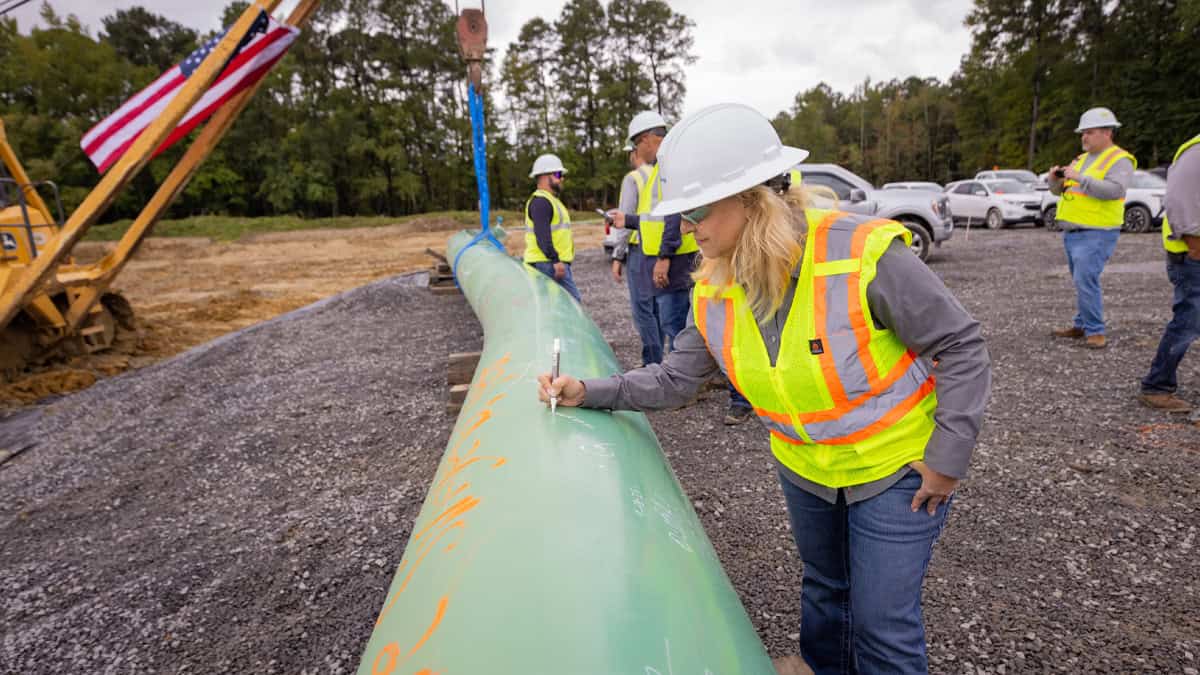
 The highly functional and responsible Susquehanna River Basin Commission (SRBC), unlike its highly dysfunctional and irresponsible counterpart, the Delaware River Basin Commission (DRBC), continues to support the shale energy industry by approving water withdrawals and consumptive use requests for responsible and safe shale drilling. The SRBC published a notice in the September 20 Pennsylvania Bulletin that the Executive Director of the SRBC approved and/or renewed 40 general water use permits in August for individual shale gas well drilling pads in Bradford, Centre, Clearfield, Lycoming, Sullivan, Susquehanna, Tioga, and Wyoming counties in Pennsylvania.
 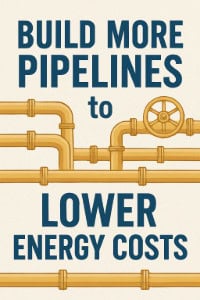 EQT Corporation CEO Toby Rice, along with two other speakers (one from Enbridge and one from investment firm Engine No. 1) spoke on a panel at last week’s Bloomberg event called “Barrel of Tomorrow in the Age of AI” held in Houston. Rice and the others had some interesting comments about the current high price of electric and heating bills in the U.S. and how to decrease them. Their recommended solution to lower energy costs for U.S. residents is to build more natural gas pipelines. Rice also provided insight into the breakeven price that “marginal” producers need to break even and generate returns.
  For years, Big Oil companies based in other countries have been in love with LNG trading, including BP (UK), Shell (UK), Total (France), and Eni (Italy). In fact, in February 2016, Shell completed a $69.7 billion buyout and merger with BG, the largest such oil and gas deal since Exxon bought Mobil in 1999, because of LNG (see
 In April, MDN told you of a proposal by Fundamental Data for the “Ridgeline Facility,” a large natural gas power plant and data center that will be built between Davis and Thomas, WV (see
  MDN has highlighted Capstone Turbine Corporation, a California company that manufactures small electric-generating plants that run on natural gas, several times in the past (