Accidents | Chester County | Energy Services | Energy Transfer Partners | Industrywide Issues | Pennsylvania | Pipelines | Sunoco Logistics
Mariner East 2X Construction Causes Another Drilling Mud Spill
 Underground horizontal directional drilling (HDD) for the Mariner East 2 pipelines (two of them, 2 and 2X) have a history of springing leaks. They’re called “inadvertent returns”–when you drill horizontally underground for a pipeline and the drilling mud you put down the hole pops up in a place it’s not supposed to. The good news is that the drilling mud is non-toxic, the same stuff used in toothpaste. The bad news is that it can overwhelm little fishies and other aquatic life and kill (suffocate) them. ME2X drilling had another such incident earlier this week–in Chester County, PA.
Read More “Mariner East 2X Construction Causes Another Drilling Mud Spill”


 Summit Midstream Partners, formed in 2009 and headquartered in The Woodlands, Texas, operates natural gas, crude oil and produced water gathering (pipeline) systems in six unconventional resource basins, including the Marcellus and Utica. The company concentrates its time and money on four “core focus areas” including the Utica, the Williston (i.e. Bakken), the DJ Basin and the Permian. The Marcellus is part of the company’s “legacy” systems that doesn’t get as much love (and money). Last week the company issued its 2Q update. The company’s Utica operation was the star performer in 2Q, increasing flows through Summit’s system by 60%.
 It’s been a loooong road getting the Mariner East 2 (ME2) pipeline system, which includes building two pipelines side-by-side from eastern Ohio across Pennsylvania to the Philadelphia area, done. From what we can tell, ME2 is now done–with the possible exception of a few miles where smaller pipeline is being used until a bigger replacement is done. For all intents, ME2 is done. However, ME2X, a second pipeline being built next to the first, is not yet done. But it’s getting close! According to comments from Energy Transfer (ET) made during a quarterly conference call yesterday, ME2X will be in service by the end of this year, and the entire project will be done-done sometime in 2Q21. Finally!
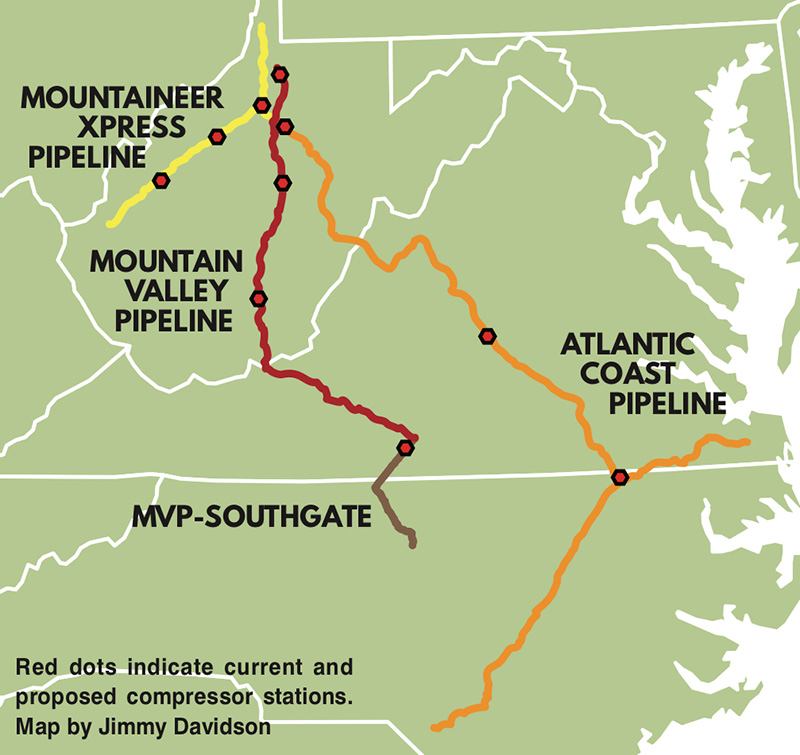
 We have some significant news coming out of yesterday’s 2Q update from Equitrans about the company’s Mountain Valley Pipeline (MVP) project. Equitrans is seriously considering expanding compression along MVP to flow an extra 500 million cubic feet per day (MMcf/d) of natural gas along the pipeline after it’s up and running.
 The Federal Energy Regulatory Commission (FERC) finally got its butt in gear and issued a favorable environmental assessment (EA) for an amended request by PennEast Pipeline to break the project into two phases–building the pipeline through Pennsylvania in Phase One, and through New Jersey in Phase Two. FERC was supposed to issue its findings on or by July 10. Finally, after two weeks with no report, no explanation, and no communication, PennEast goosed FERC on July 24 (see
  On August 1, 2019, Enbridge’s Texas Eastern Pipeline Company (TETCO) pipeline exploded in Lincoln County, Kentucky–killing one and sending six to the hospital (see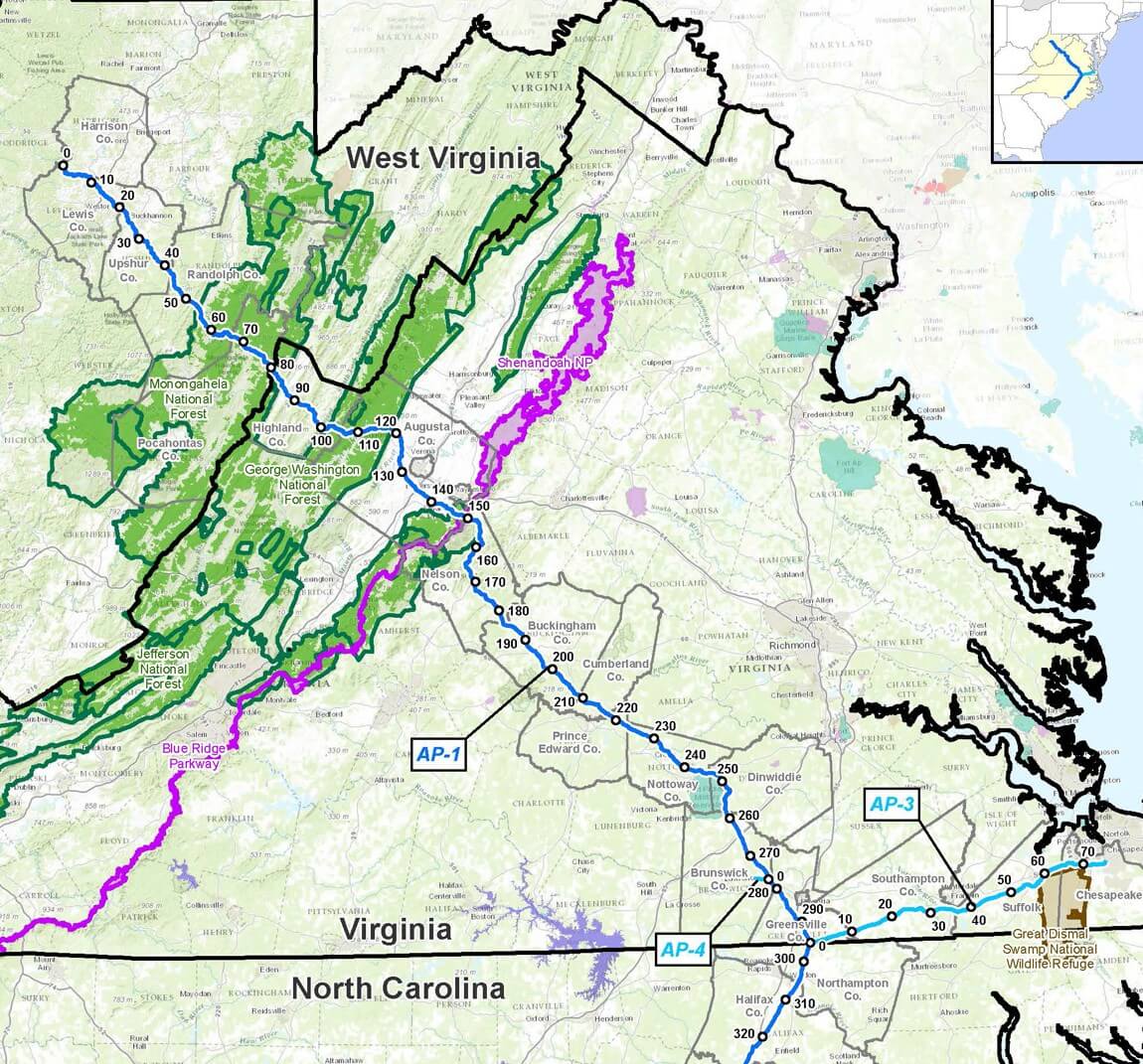
 The experts at RBN Energy have been analyzing pipelines and natural gas flows out of the Marcellus/Utica region and warn of a coming problem this fall. Production in the M-U remains high. Storage is quickly filling up. The gas needs to exit the region in order to fetch better prices. According to RBN, “This fall, the situation could be even worse and may force producers to shut-in gas for a second time this year.” Pipeline constraints are coming, and that spells problems.
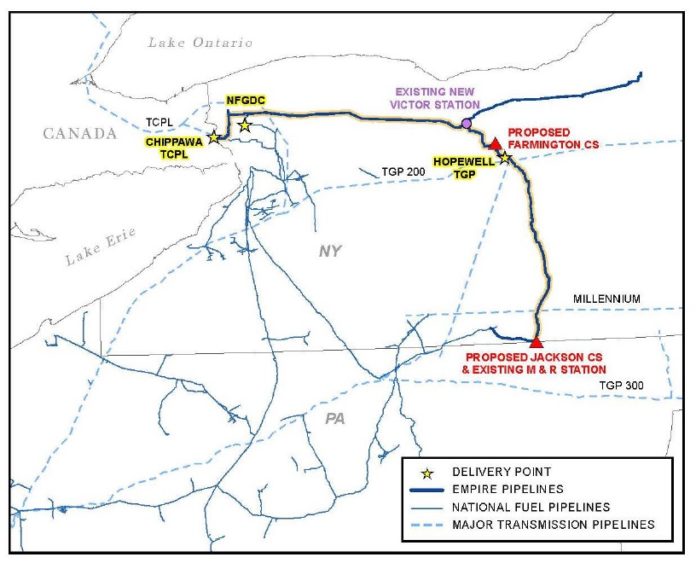
 Last year, in an effort to flow more natural gas to a starving New York City, Kinder Morgan cut a deal with utility company Consolidated Edison to provide more gas by beefing up capacity along its Tennessee Gas Pipeline (TGP) that feeds NYC, allowing Con Ed to avoid cutting customers off from natgas hookups (see
  Over a year ago, in March 2019, MDN told you about a new Williams plan to beef up the Transco pipeline in Pennsylvania and New Jersey to deliver an extra 760 MMcf/d (originally 1 billion cubic feet per day) of Marcellus gas to PA, NJ, and Maryland (see