
TETCO Pipe in Kentucky Remains Closed After Last Week’s Explosion
 Last Thursday the Texas Eastern Transmission Company (TETCO) pipeline exploded near a trailer park in Lincoln County, Kentucky (see TETCO Pipe Explodes in Kentucky Killing 1; Southbound M-U Gas Stops). The blast and resulting fire killed one woman, injured five more, and destroyed five homes in the area. It shut down the pipeline in that area which flows 1.7 billion cubic feet of Marcellus/Utica gas (Bcf/d) south to the Gulf Coast. The pipeline remains shut down today.
Read More “TETCO Pipe in Kentucky Remains Closed After Last Week’s Explosion”
 Last week midstream giant Williams released its second quarter 2019 update. Although the company reported net income of $175 million, up 130% over the previous year’s 2Q, total revenue dipped a tad from $2.09 billion to $2.04 billion. Amidst a lot of good news, there was one cloud. Because northeast drillers are pulling in the production reigns (given super low prices), and because Williams has recently sold off a bunch of assets, the company has launched a “voluntary separation program” to reduce head count.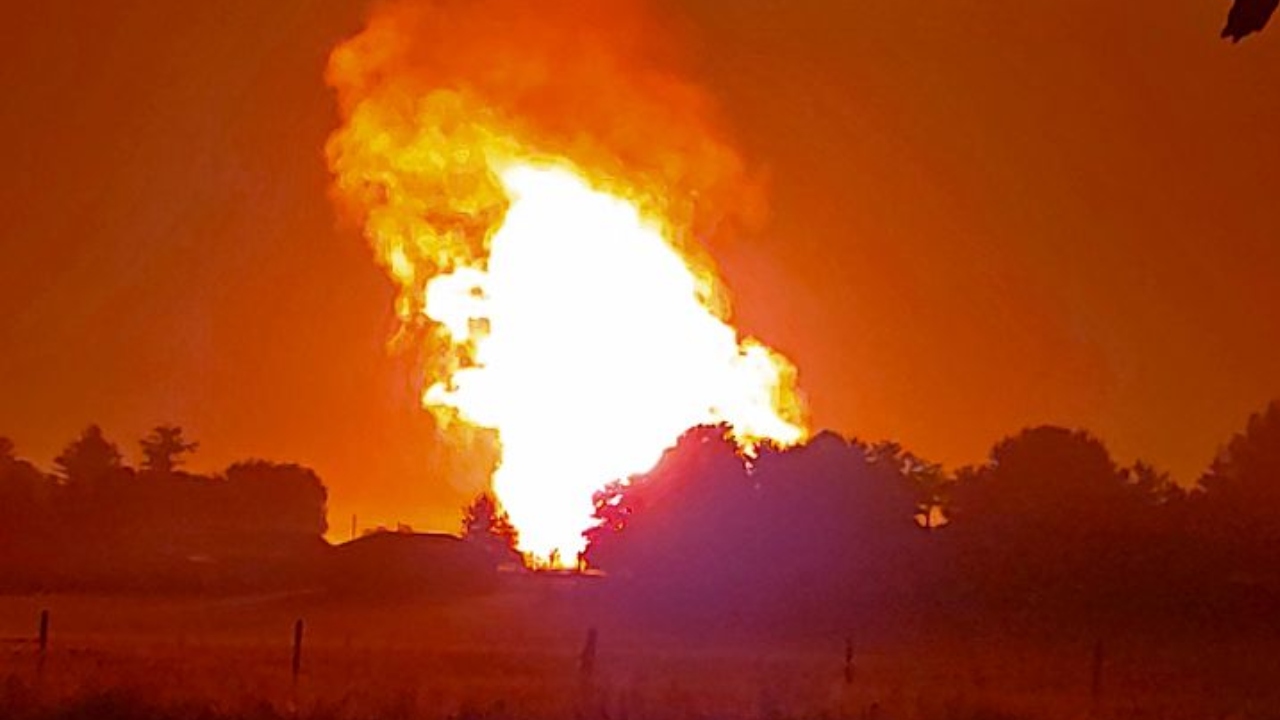
 Last December MDN brought you news of a new Transco pipeline expansion project, the Williams “Leidy South Project,” to expand Transco capacity in Pennsylvania (see
  Mountain Valley Pipeline (MVP), a 303-mile natural gas pipeline from West Virginia into Virginia (being built by Equitrans Midstream) is now 85% complete. Lawsuits are holding up completion of the pipeline, now expected to be done in mid-2020. The project has faced opposition from a small but dedicated group of loons willing to break the law (see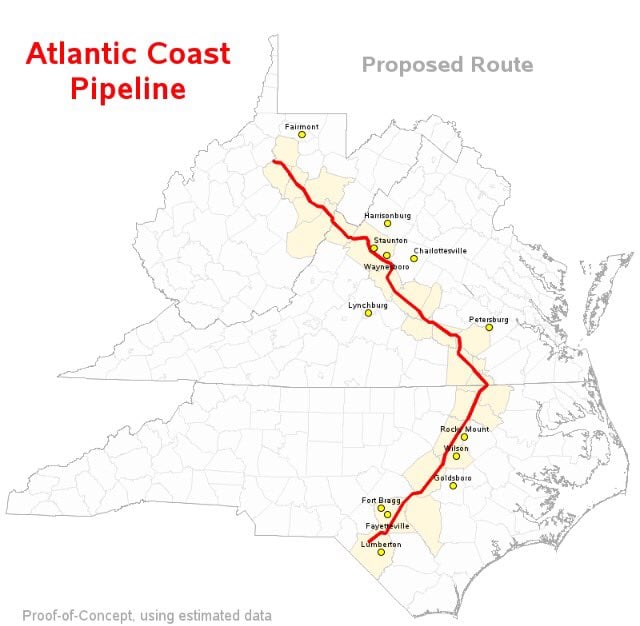

 Equitrans, formerly known as EQT Midstream (formerly a division of EQT), released its second quarter update yesterday. Among the things we learned: The Mountain Valley Pipeline (MVP) project is now 85% complete and will be done and online in mid-2020. EQT (the driller) remains committed to the MVP project and contrary to false rumors, EQT is not pulling out (it would cost them north of $3 billion to do so!). The project cost for MVP will be around $5 billion–a new high.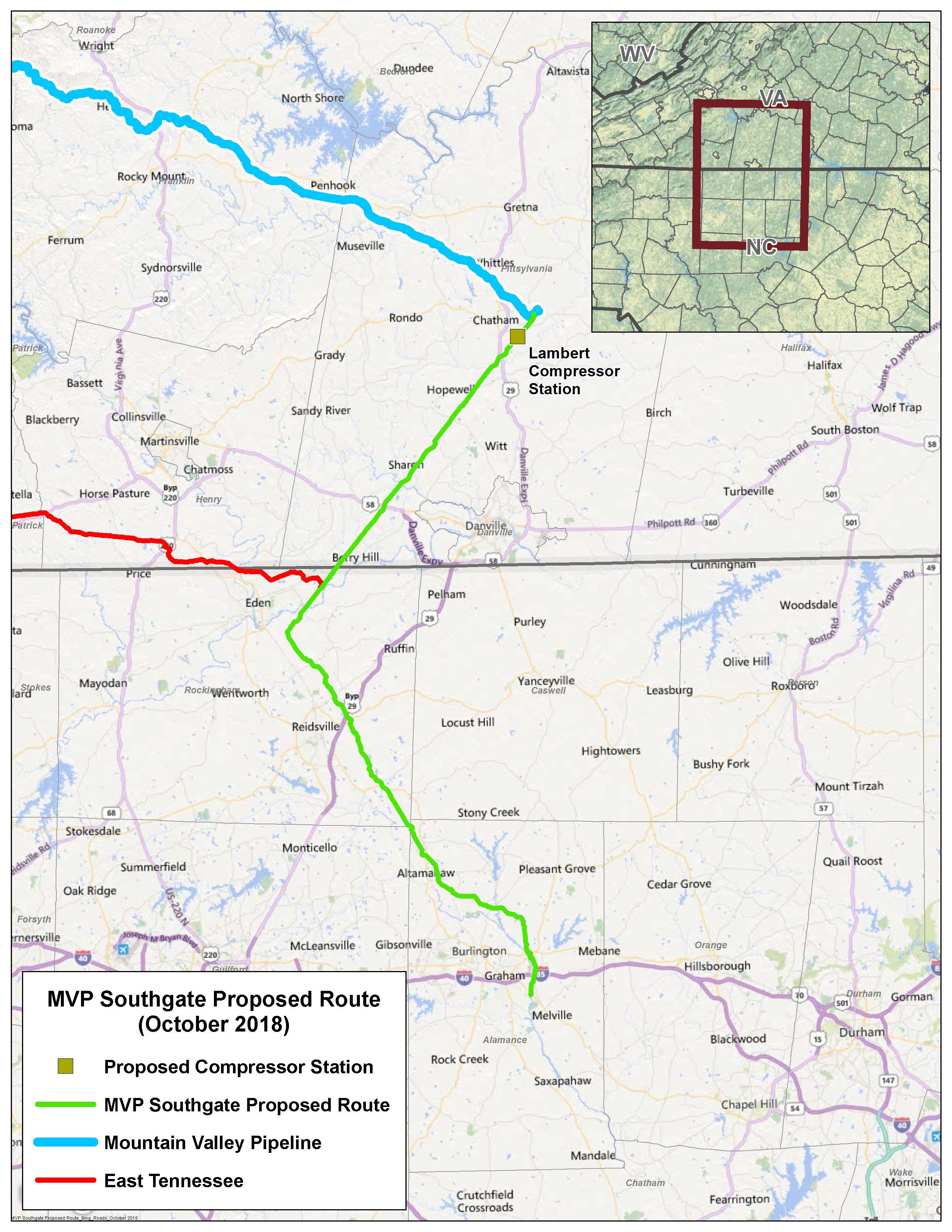
 The actions of one man seeking access to confidential risk assessments and plans for the Mariner East pipelines in the Philadelphia area will, if successful, put information into the public domain that terrorists can potentially use. Note we don’t believe it is the intent of this man to grant access to sensitive information to terrorists. But that is the consequence, the outcome, the result of his actions–if a court now reviewing the case grants his request.
 Canada’s National Energy Board (NEB) has approved TC Energy’s agreements with natural gas retailers in Eastern Canada, to flow Western Canadian gas to Canada’s East Coast and New England. TC Energy (formerly called TransCanada) cooked up a plan to expand an existing pipeline in New England and connect it to a point in Quebec to flow gas from the opposite side of the continent, Western Canadian natural gas (over 1,000 miles away), into New England and from there back up into Canada (see
  Columbia Gas of Massachusetts (NiSource) continues to recover (physically and reputationally) from a series of explosions last September in its local delivery pipelines north of Boston (see
  The same U.S. Fourth Circuit Court of Appeals judges who quoted from Dr. Seuss’ book “The Lorax” in a previous decision against Dominion Energy’s Atlantic Coast Pipeline (ACP) have, once again, delivered another blow to ACP. In a very poor decision issued on Friday, the clown judges overturned reissued permits from the U.S. Fish and Wildlife Service (FWS) for the project, claiming the permits don’t do enough to protect bumble bees and bats.
 In March we told you about National Fuel Gas Company’s (NFG) FM100 Project in northwestern Pennsylvania that will beef up and extend an existing pipeline network to flow an extra 330 million cubic feet per day (MMcf/d) of Marcellus gas to Williams’ mighty Transco Pipeline (see
 We caught wind of something on the Tallgrass quarterly conference call yesterday that had previously eluded our otherwise reliable radar. Tallgrass, via its subsidiary BNN Water, bought out and merged in Central Environmental Services back in May. That’s important because Central is a “water services” provider in the Marcellus/Utica. Namely, Central (now BNN) operates three injection wells in Ohio. On yesterday’s Tallgrass conference call, company officials said they are working on a plan to build pipelines to those injection wells, saving a whole bunch of truck trips.