
Busybody Brigade to Help Va. DEQ “Monitor” MVP Pipe Work
 As Mountain Valley Pipeline (MVP) begins construction and launches a plan to expand their pipeline another 70 miles (see today’s lead story), the Virginia Dept. of Environmental Quality (DEQ) says it is eager to work with radical antis to monitor work that will be done by MVP in the Old Dominion. MVP is a $3.5 billion, 301-mile pipeline that will run from Wetzel County, WV to the Transco Pipeline in Pittsylvania County, VA–and perhaps beyond into North Carolina (see Mountain Valley Pipeline Launches Plan to Expand 70 Miles into NC). MVP is being built by EQT Midstream, NextEra Energy and several other partners. It has been hassled by protesters and sued by a cadre of Big Green groups–all with no result. The pipeline is currently under construction. Since there’s no stopping it, antis intend to launch a host of volunteer “monitors” to rat out pipeline workers that do anything from drop a candy wrapper on the ground to drive 2 miles an hour over a locally posted speed limit. In other words, a busybody brigade. To which we say: Go ahead–knock yourselves out. MVP has nothing to hide. If you want to waste your time, it’s yours to waste. The DEQ, under Democrat Gov. Ralph Northam, is only too happy to work with the busybody brigade to further hassle MVP…
Read More “Busybody Brigade to Help Va. DEQ “Monitor” MVP Pipe Work”
 Dominion Cove Point LNG is open for business–so says Dominion in a press release issued yesterday. As MDN reported late last week, the Gemmata LNG carrier had returned to Cove Point to load a second commissioning cargo of LNG (see
  In January, the Constitution Pipeline–a $683 million, 124-mile pipeline from Susquehanna County, PA to Schoharie County, NY to move Marcellus gas into NY and New England–filed an appeal with the U.S. Supreme Court asking the court to overrule a lower court decision and allow the pipeline to get built in New York State (see
  Last week MDN reported that two pieces of heavy equipment being used by Sunoco Logistics Partners to build the Mariner East 2 pipeline in Chester County, PA had been severely, intentionally damaged (see

 The biggest oil play in the United States is the Permian, located in West Texas and southeastern New Mexico. In March, MDN warned readers that natural gas in the Permian, which is a byproduct of the oil wells drilled there (i.e. “associated gas”), is increasingly competing with Marcellus/Utica gas (see

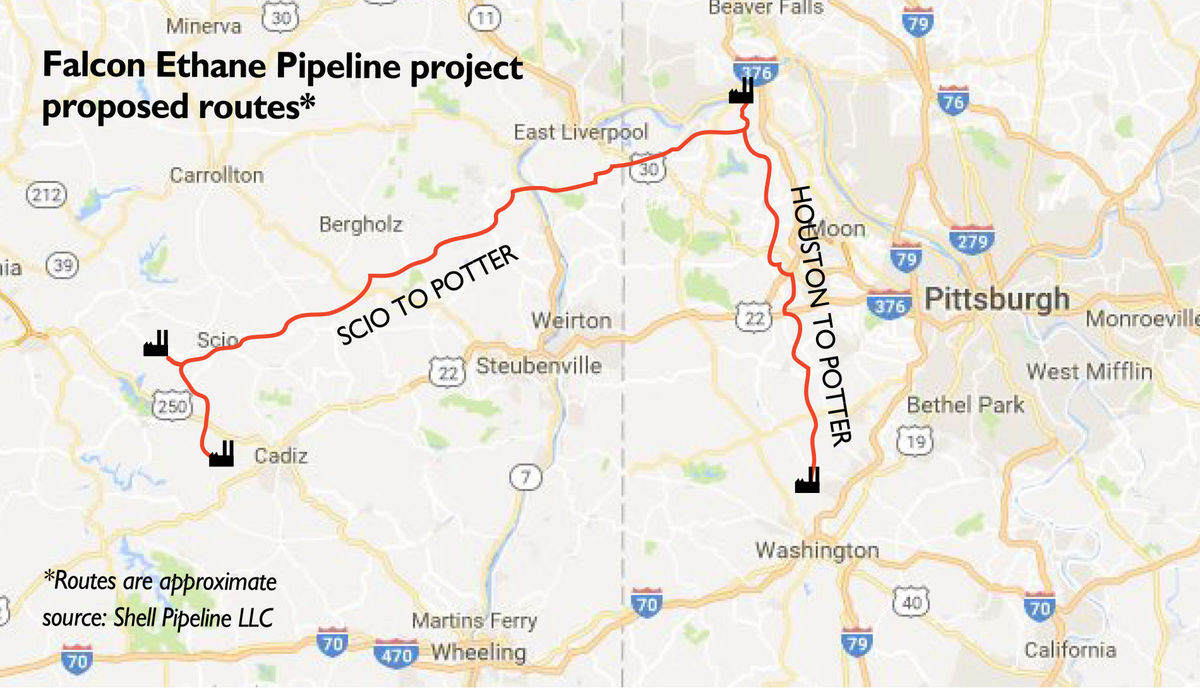

 Propane is one of the NGLs (natural gas liquids) that come out of the ground along with natural gas and oil–especially in “wet gas” areas like southwestern PA, eastern OH, and the northern panhandle area of WV. Ethane and propane have been flowing through the converted Mariner East 1 (ME1) pipeline for more than year–hauling propane (and ethane) from southwest PA all the way to the Marcus Hook refinery near Philadelphia. At Marcus Hook, the propane is loaded onto ships and sent around the world. The world is an important market for our propane. However, ME1 was suddenly switched off on March 3 by order of the Pennsylvania Public Utility Commission (PUC) after a sinkhole opened up under the pipeline, exposing some of the bare steel to the open air (see
  Attendees at yesterday’s Utica Midstream conference at Walsh University in North Canton, Ohio got an earful about pipelines and processing plants. Perhaps the biggest news coming from the event (for us, anyway), is that MarkWest Energy, now part of Marathon Petroleum, plans to build another six natural gas processing plants and another three fractionation plants in the Marcellus/Utica THIS YEAR. MarkWest plans to spend a whopping $2 billion in the region this year! That’s in addition to building two new processing plants and three fractionation plants last year. A processing plant accepts raw hydrocarbons coming out of shale wells and separates out the methane from everything else–“cleaning up” the methane so it’s pipeline-ready. Fractionation takes what’s left after the methane is removed and separates those other hydrocarbons into their discrete molecules–ethane, propane, pentane, butane, etc. According to MarkWest, M-U moving butane to new markets will be a major focus this year. We also learn that MarkWest’s Sherwood facility (in WV) is now the fourth largest gas processing plant in the U.S.–and by the end of this year, it will be #1! In addition to MarkWest, there were a number of other top notch speakers at yesterday’s event, including Rick Simmers from the Ohio Dept. of Natural Resources. Rick mentioned in passing there’s a shale well pad in southeast Ohio with a whopping 28 wells on it. Below is a summary of what was said at yesterday’s event…
 Atlantic Coast Pipeline, the $6.5 billion Dominion Energy/Duke Energy pipeline from West Virginia through Virginia and into North Carolina has had a few setbacks, but that isn’t stopping construction on the pipeline–in all three states where it runs. On Monday we reported on the latest setback–news that the Federal Energy Regulatory Commission is refusing to extend tree cutting season for the pipeline (see