
Anti-Drilling/Fossil Fuel | CNG/LNG | Energy Services | Exporting | Industrywide Issues | New Fortress Energy | Regulation
Riverkeeper Tries to Bully DRBC to Reverse LNG Dock Decision
 Speaking of New Fortress Energy and their planned northeast Pennsylvania LNG liquefaction facility (see today’s story, Work Begins to Clear Site for NEPA Landlocked LNG Export Plant), in addition to chilling natural gas into LNG, you also need a way to load it onto ships and move it to other markets. New Fortress plans to build a $96 million, 1,600-foot-long pier on the New Jersey side of the Delaware River at the former DuPont dynamite factory site to dock and load two ships at a time.
Read More “Riverkeeper Tries to Bully DRBC to Reverse LNG Dock Decision”

 LS Power, which owns a number of competitive power generation projects including the 700 megawatt dual-fuel simple cycle Troy Generating Facility located in Luckey, OH, is threatening to pull a $500 million plan to expand the Troy facility if Ohio proceeds to pass a new law subsidizing the state’s two nuclear plants. The subsidies would create an uneven playing field for natural gas-fired electric plants like the Troy facility.
 A little good news coming from New England, for a change. Over objections of radical anti-fossil fuel nutters, the Massachusetts Dept. of Environmental Protection (DEP) on Friday granted an air permit for a compressor station in Weymouth. The compressor station is part of the Spectra Energy/Enbridge Atlantic Bridge expansion project, stalled since 2017. The administration of MA Gov. Charlie Baker (RINO) issued an air permit for the project in January of this year (see
  In March 2016, the Federal Energy Regulatory Commission (FERC) approved Tennessee Gas Pipeline’s (TGP) Connecticut Expansion project (see
  New York State is so screwed. Let’s just be honest–there’s no saving the Empire State now. (We can say these things because we live here.) Following the passage of a recent law (see
  The Equitrans Expansion Project (EEP) began construction in late 2017. The project is related to Equitrans’ $4 billion, 303-mile Mountain Valley Pipeline (MVP) project, approved by the Federal Energy Regulatory Commission (FERC) at the same time as MVP. The $100 million EEP involved upgrading several compressor stations and adding approximately eight miles of pipeline connectors to increase capacity along the Equitrans Pipeline from southwestern Pennsylvania into West Virginia.
 When the Federal Energy Regulatory Commission (FERC) fiddles around and blows important deadlines, there are consequences. In January 2018, Dominion Energy filed a request with FERC to expand capacity along the existing Dominion Energy Transmission Inc. (DETI) pipeline, to flow Pennsylvania Marcellus gas into Ohio (see
  Two weeks ago MDN provided a list of Marcellus/Utica pipeline projects for which the Federal Energy Regulatory Commission (FERC) is withholding approvals, unnecessarily, due to Democrat commissioners gumming up the works over mythical global warming concerns (see
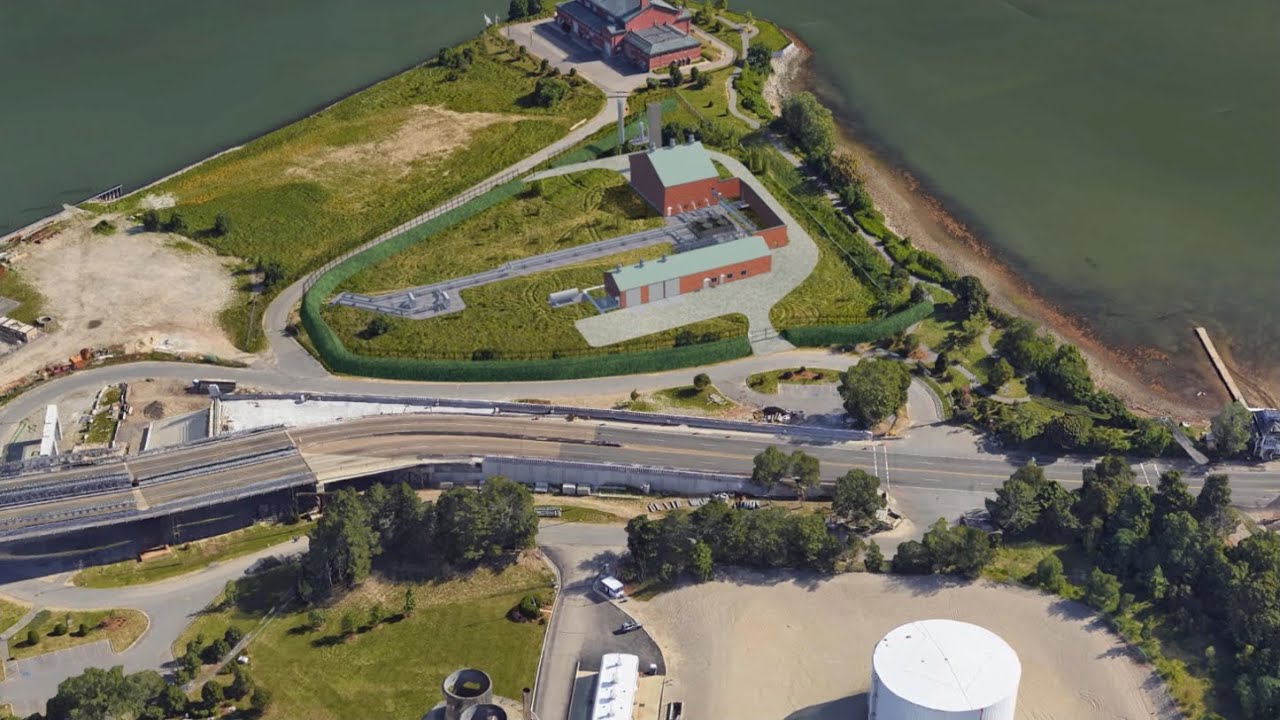
 In February MDN told you that Dominion Energy planned to appeal a decision by the U.S. Court of Appeals for the Fourth Circuit blocking an important permit for Atlantic Coast Pipeline to drill under the Appalachian Trail directly to the U.S. Supreme Court (see
  We caught a helpful update on PennEnergy Resources from a report on last week’s Hart Energy DUG East Conference in Pittsburgh. PennEnergy CEO Richard Weber told the DUG audience that his company is currently producing an average half a billion cubic feet of natural gas per day, with plans to increase that by 10% this year. One thing holding the company back is the ongoing outage of Energy Transfer’s Revolution Pipeline gathering system.
 Nobody seems to have noticed, or if they did notice they’re not reporting, what we consider big news: Yesterday the Pennsylvania State Senate Environmental Resources and Energy Committee “reported out” (i.e. approved) Senate Bill (SB) 694, the Senate version of House Bill (HB) 247, a bill which allows fully leased parcels that are part of one drilling “unit” to be combined with parcels in a different unit–“cross unit drilling.”