
PA DEP Seeks Public Comment on Regs for Methane, Compressor Stns
 In December the Pennsylvania Dept. of Environmental Protection (DEP) unveiled new regulations to clamp down on methane emissions and other other air pollution that allegedly comes from shale drilling sites (see PA DEP Releases New Regs re Methane & Air Pollution at Drill Sites). The onerous new regulations, not in effect yet (to be published “soon”) were originally prompted by bullying from the federal Environmental Protection Agency. Even though EPA pressure is likely to disappear under President Trump, PA Gov. Wolf still intends to push forward with these regulations. According to the DEP, the proposed General Permit 5A (GP-5A) and the revised General Permit 5 (GP-5), “establish updated Best Available Technology (BAT) requirements for the industry regarding air emission limits, source testing, leak detection and repair, recordkeeping, and reporting requirements for the applicable air pollution sources.” After some final tweaks, the DEP has just released draft versions of the new permits (i.e. regulations), opening them up for public comment over the next 45 days. At the end of that time, we expect it will take a month or so and then the DEP will publish the revised permits and they will become (in essence) the law. Below we have the DEP’s announcement in releasing the draft permits, along with copies of the draft permits and associated documentation…
Read More “PA DEP Seeks Public Comment on Regs for Methane, Compressor Stns”
 In 2014 MDN reported that MAX Environmental, operator of the Bulger hazardous waste landfill in Smith Township (Washington County), PA since 1958, planned to expand the landfill by 21 acres in order to handle an increase of drill cuttings and even liquid waste (which they will turn to solid waste) coming from Marcellus Shale drilling (see
  In January 2016, Invenergy announced their intention to build a natgas-powered electric plant in Elizabeth Township, in Allegheny County (see
  A bright and enterprising graduate student at Penn State University cooked up an interesting research project for her graduate thesis. With all this talk about “fracked gas” having boatloads of radon in it, would using such radon-laden gas as the source fuel for a gas-fired electric plant pose a risk to those who live near it? In particular, could the gas-fired plants on Penn State’s own campus be posing a danger to students, faculty and staff that live and work on campus? Alison Stidworthy, a former graduate student in the Department of Meteorology at Penn State (and now employed as a site manager for the New Jersey Department of Environmental Protection), led the research effort, which was the topic of her master’s degree thesis (copy below). What did Alison find? High levels of radon do not leak from the plants and pose no health issues to those living and working nearby. Which makes perfect sense. How do you get rid of radon in your basement when it’s present? You vent it to the outside, where it quickly dissipates and becomes inert. Alison, along with several of her professors, recently published her work as a study in the Journal of the Air & Waste Management Association...


 According to rumors floating around the Pennsylvania environmental wacko movement, today is the day the Pennsylvania Dept. of Environmental Protection (DEP) will issue the final permits needed by Sunoco Logistic Partners to begin construction of the Mariner East 2 NGL pipeline that will stretch across the entire state. Neither Sunoco nor the DEP would confirm the rumor, but the wackos are agitated and saying their “inside sources” (of which they appear to have many) are telling them it’s today. And what if it happens? According to Maya van Rossum (THE Delaware Riverkeeper), the antis will employ their two favorite tactics: Sue in court, and whip up the more radical folks in the movement into a frenzy so they “rise up in protest.” You know, like the “protesters” (i.e. criminals) did in North Dakota–the ones who fired shots at police officers, burned tires, and engaged in illegal actions to stop work on the Dakota Access Pipeline (see
 An accident related to shale drilling is responsible for dumping some (not sure how much) acid mine drainage (AMD) from an abandoned coal mine into the Monongahela River last weekend. Which sounds worse than it actually is. Water that seeps into old coal mines mixes with pyrite (iron-sulfide) and oxidizes, turning the water an orange/brown color. The water becomes somewhat acidic. We previously talked at length about acid mine drainage coming from the Old Forge bore hole near Scranton, and about Marcellus money being used to help clean it up (see
  It’s not often these days we get to witness the birth of a new driller in the Marcellus/Utica, so it’s with great pleasure we announce the birth of S.T.L. Resources. According to an announcement, S.T.L. recently closed on the acquisition of 8,000 acres in the “core of the Marcellus Fairway” in north central PA. Along with the acreage comes “significant in-place infrastructure, current Marcellus production and is prospective for the Marcellus and Utica Shale as well as the Upper Devonian.” The privately-held S.T.L. declined to say exactly where the acreage is located, who they purchased it from and for how much. Why? They continue to try and lease more acreage in the same area and would rather keep competitive information close to the vest. S.T.L. was founded and is run by three veterans in the O&G industry with deep experience in the Marcellus/Utica: William Dressel, Founder and Managing Partner; William Hayward, Chairman & Senior Geological Advisor; and Clinton Coldren, CEO. When you look at a map you find that north central PA includes counties like Potter, Tioga and Lycoming. Which got us to thinking–who might have sold some acreage there? We have a guess…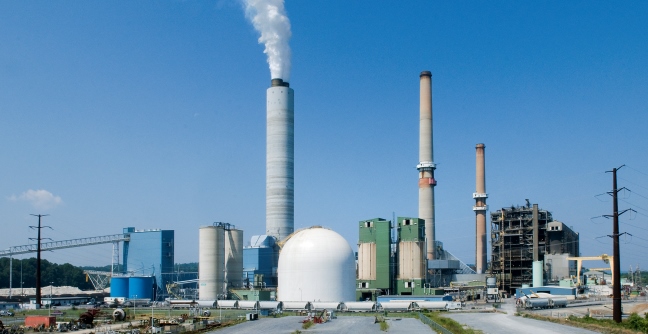
 Recently a biased editorial ran in the biased Pittsburgh Post-Gazette, taking aim at methane. The editorial, penned by Brian O’Neill, misrepresented the facts about methane in PA, in an attempt to garner support for onerous new regulations put forward by Gov. Wolf’s Dept. of Environmental Protection. State Sen. Guy Reschenthaler, R-Jefferson Hills (representing parts of Allegheny County and Washington County), responded with his own editorial. To their credit, the Post-Gazette published it. Reschenthaler said the air is actually getting cleaner in PA, not dirtier, thanks to Marcellus Shale gas. And the new regulations being pedaled by Wolf will not make things better environmentally. The only thing the new regs will do is kill jobs…
 World Oil calls itself “the premier trade publication for the international upstream industry.” Perhaps it is–who are we to say otherwise? The folks at World Oil have done us all a favor. They surveyed the upstream (i.e. drilling) oil and gas industry to find out what drillers are planning for 2017. Overall, they find drillers plan to drill 18,552 wells in North America this year–a big 26.8% jump from last year. In releasing a summary of the results, Wold Oil outlines region by region in the U.S. what they predict will happen this year, based on survey results. The northeast section caught our eye. World Oil predicts Pennsylvania will see a 29% increase in new well drilling this year (total of 774 new wells drilled). Ohio will see an increase of 19.1% in new well drilling (380 new wells). And West Virginia will see a big 21.9% increase (245 new wells). Here’s the full summary from World Oil…