Cove Point LNG Now 67% Complete, Atlantic Coast Pipeline on Track
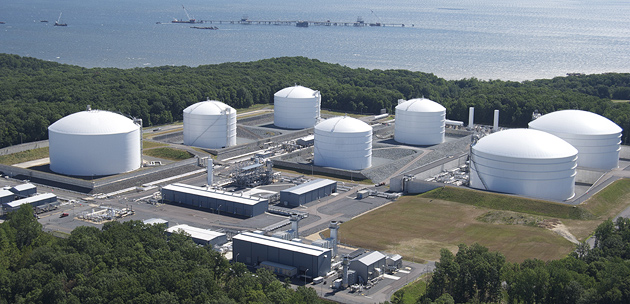
Last week utility and midstream giant Dominion issued their second quarter update and held an earnings/analyst call to discuss the update. Sometimes those earnings calls are a treasure trove of information you don’t see in the prepared quarterly update, especially in the unscripted Q&A that follows prepared remarks. Such was the case last week. Dominion’s CEO and President, Tom Farrell, along with other top brass from the company, offered up key insights into the Cove Point LNG export project, the Atlantic Coast Pipeline project, Blue Racer Midstream (a Dominion’s joint venture project), and the status of leased acreage for which the company owns Marcellus/Utica drilling rights. A smorgasbord of yummy updates! Here they are…
Read More “Cove Point LNG Now 67% Complete, Atlantic Coast Pipeline on Track”
 In April 2013, Dominion signed Japan and India to a deal to accept 100% of the LNG output that will come from their Cove Point, Maryland LNG export facility (see
  In June 2014 Dominion filed an application with the Federal Energy Regulatory Commission (FERC) to construct and operate new compression facilities at existing compressor stations in Marshall County, WV and Monroe County, OH, and certain other facilities, collectively called the Clarington Project (see
  Anti-drilling zealots attempting to stop the Cove Point, Maryland LNG (liquefied natural gas) from going online have failed in court, again. And they failed big time. MDN reported in April that a group of Big Green groups, including the Sierra Club, the Chesapeake Climate Action Network, the Patuxent Riverkeeper, EarthReports Inc. and Earthjustice colluded together to sue in federal appeals court to try and stop the project (see
  Ever hear of a “wide economic moat?” No, we hadn’t either. That is, until we read a Morningstar analyst writing about mighty utility and midstream giant Dominion. A “wide economic moat,” according to Investopedia, is “A type of sustainable competitive advantage that a business possesses that makes it difficult for rivals to wear down its market share and profit. The term is derived from the water filled moats that surrounded medieval castles.” Makes sense. We’d call it being so far ahead of the pack no one else can catch up. Whatever metaphor floats your boat. The interesting part (for MDN) in the Morningstar analysis of Dominion is *why* they are head and shoulders above their midstream and utility peers. Why? “[N]otably the Atlantic Coast Pipeline and Cove Point LNG facility.” That is, because of the Marcellus Shale. The analyst predicts Cove Point LNG will be the only LNG export facility on the East Coast. That would certainly qualify as a competitive advantage for Dominion…
 In 2008 Dominion approached oil and gas producers in West Virginia, before the Marcellus Shale was a household word, looking to build a pipeline for “several hundred million dollars” (ended up costing $750 million). Dominion held several meetings and told West Virginia’s independent natural gas producers that the producers would need to commit to firm transportation if they wanted to sell their natural gas. At those meetings Dominion handed out forms asking producers to write down how much production they might have for firm commitment. Following the meetings, producers received contracts in the mail “out of the blue” with a very short deadline and a not-so-subtle threat that if they wanted to sell their gas, they would sign on the dotted line. The producers say they were pressured into signing a 10-year deal. Dominion’s Appalachian Gateway Project, with 110 miles of new pipeline and upgrades to several compressor stations, went online in September 2012 (see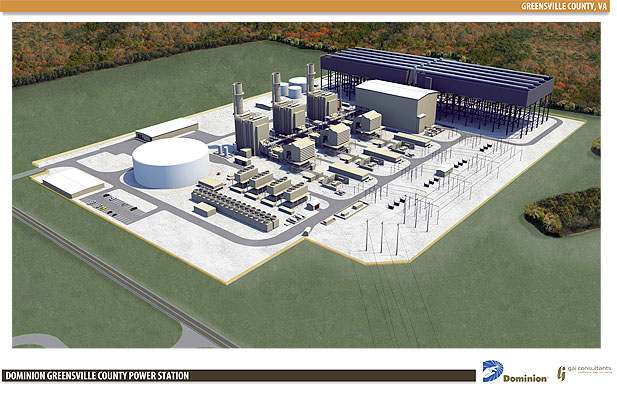
 We hate to say this, but we’ve seen this movie before. Last October the Federal Energy Regulatory Commission (FERC) approved Dominion’s $165 million New Market Project–a project that expands Dominion’s transmission pipeline from western New York across the state to the Capital Region of the state, near Albany (see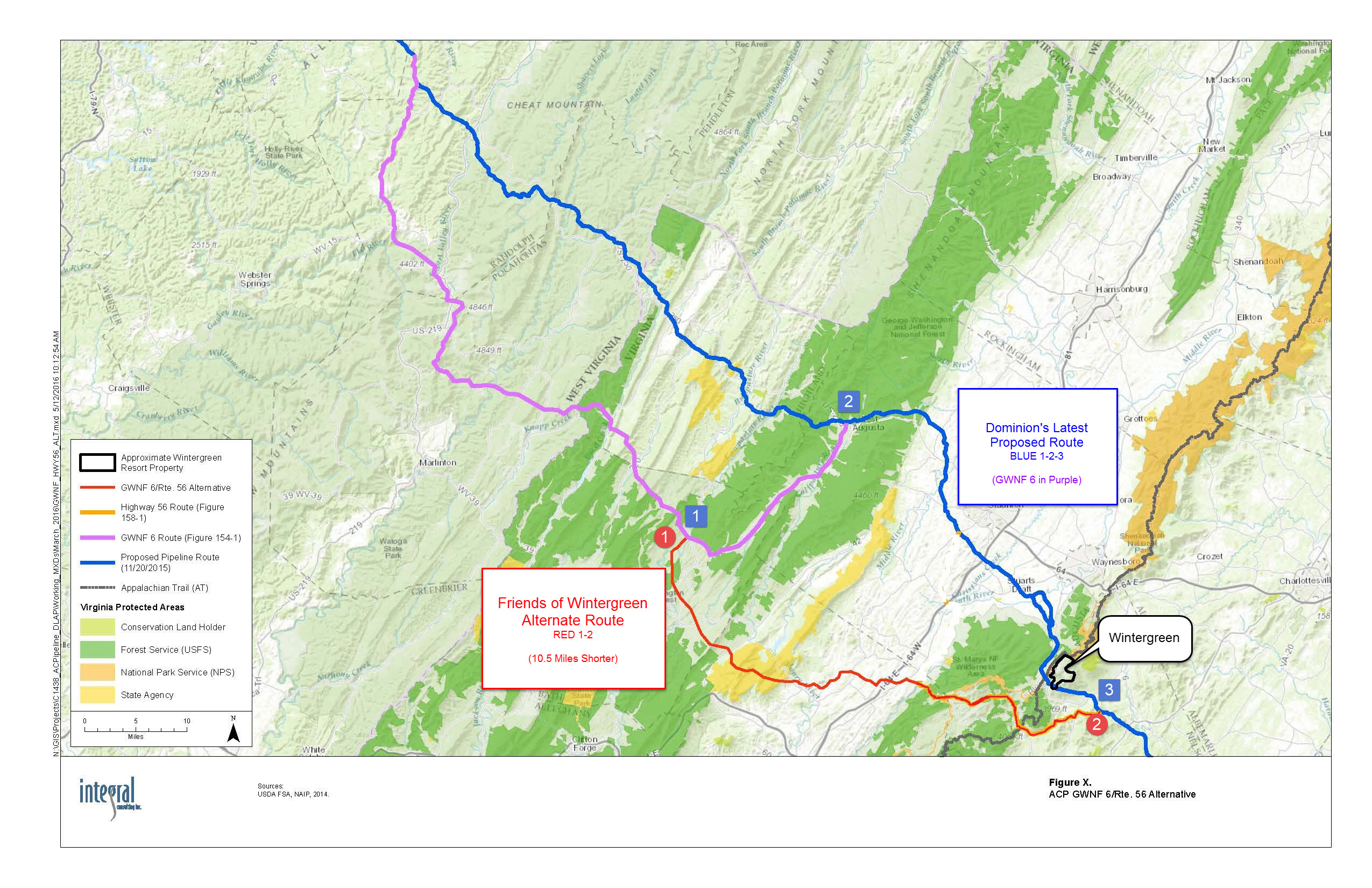
 When did it become “vindictive” to prosecute criminals? That’s what we’re supposed to believe about the prosecution of a radicalized, anti-fossil fuel environmentalist who was just, after nearly one and a half years, sentenced to serve 15 days in jail for lying, falsely claiming local police assaulted her. In February 2015 Heather Doyle, a radical “activist” climbed a crane at the Dominion Cove Point LNG export facility to hang a banner that said, “Dominion get out. Don’t frack Maryland. No gas exports. Save Cove Point.” It’s bad enough that she endangered herself along with another activist who aided her. She also endangered rescue workers and police who had to remove her from the crane. Then Doyle lied to the police and claimed Calvert County Sheriff’s Office deputies assaulted her as they were removing her from the crane SHE climbed up. That’s a very serious charge–especially in this day and age. The police investigated and discovered she was lying, so the District Attorney pressed charges. And it took this long for the case to play out. On May 27, Judge Marjorie Clagett of the Calvert County Circuit Court sentenced Doyle to three months in jail, with all but 15 days suspended, 240 hours of community service, two years of supervised probation, and $165 in court costs. It ain’t much, but it’s a little bit of justice against radicals who frequently break the law in a misguided attempt to protest fossil fuels…
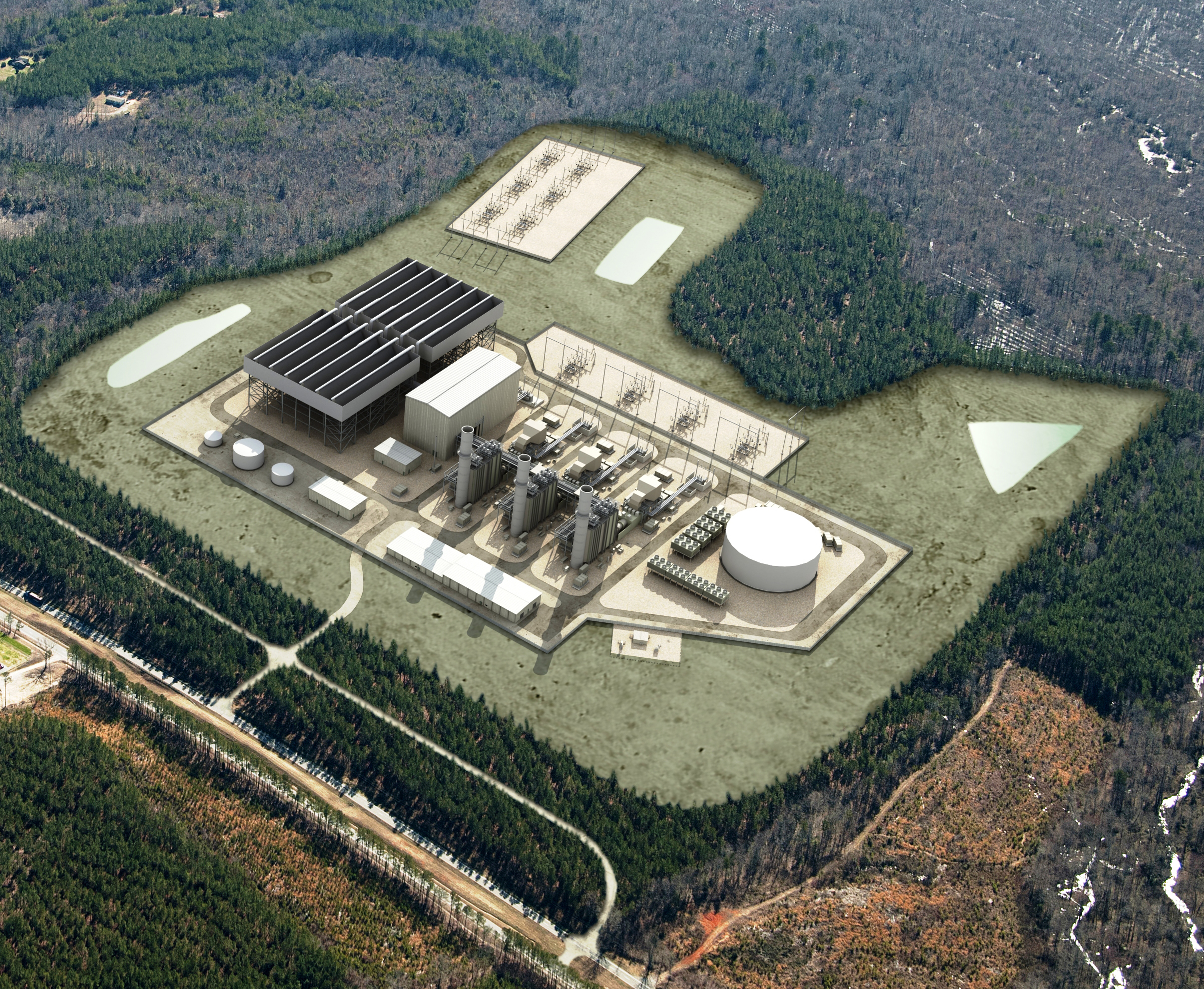
 We have nothing against renewable energy like wind and solar, per se. We just want them to compete with other forms of energy, like natural gas–without taxpayer money propping up renewable projects. Well-intentioned companies like Dominion frequently engage in dalliances with wind and solar projects–more of a public relations thing than a real effort at developing such sources. How can we say such a thing? Why be so harsh? Look at the recent announcement from Dominion that the U.S. Department of Energy has just withdrawn a promised $40 million grant the company was going to use to build two advanced-technology, 6-megawatt wind turbines in federal waters about 24 miles off the coast of Virginia Beach, VA. At peak production, the two turbines would generate enough electricity to power up to 3,000 homes. It will cost $300 – $380 million to build them. Compare that to a new natural gas-fired electric plant built by Dominion in Virginia that recently went online–the Brunswick Power Station. That plant cost $1.1 billion to build, produces 1,358 megawatts of electricity (even when the wind doesn’t blow) and powers 325,000 homes. So for about trip the cost the natgas plant powers 322,000 more homes than the wind project. That’s what we call a no-brainer–and a perfect illustration of why the government should not be in the business of funding dud wind projects…