
Study Shows Urgent Need for Gas-Fired Power for AI Data Centers
 The American Energy + AI Initiative, a collaboration between the Hamm Institute and the American Energy + AI Coalition, held a summit on Monday in Washington, D.C., to address the urgent need for firm power to sustain the rapid growth of Artificial Intelligence (AI) in the U.S. Cabinet officials, including DOE Secretary Chris Wright, and industry leaders, discussed concrete steps to modernize federal tools and accelerate power production. During the summit, a new study was released (full copy below) emphasizing that America’s ability to lead in AI depends on quickly building reliable energy and highlighted the immediate need for more natural gas to meet the massive, unexpected demand from data centers. Read More “Study Shows Urgent Need for Gas-Fired Power for AI Data Centers”
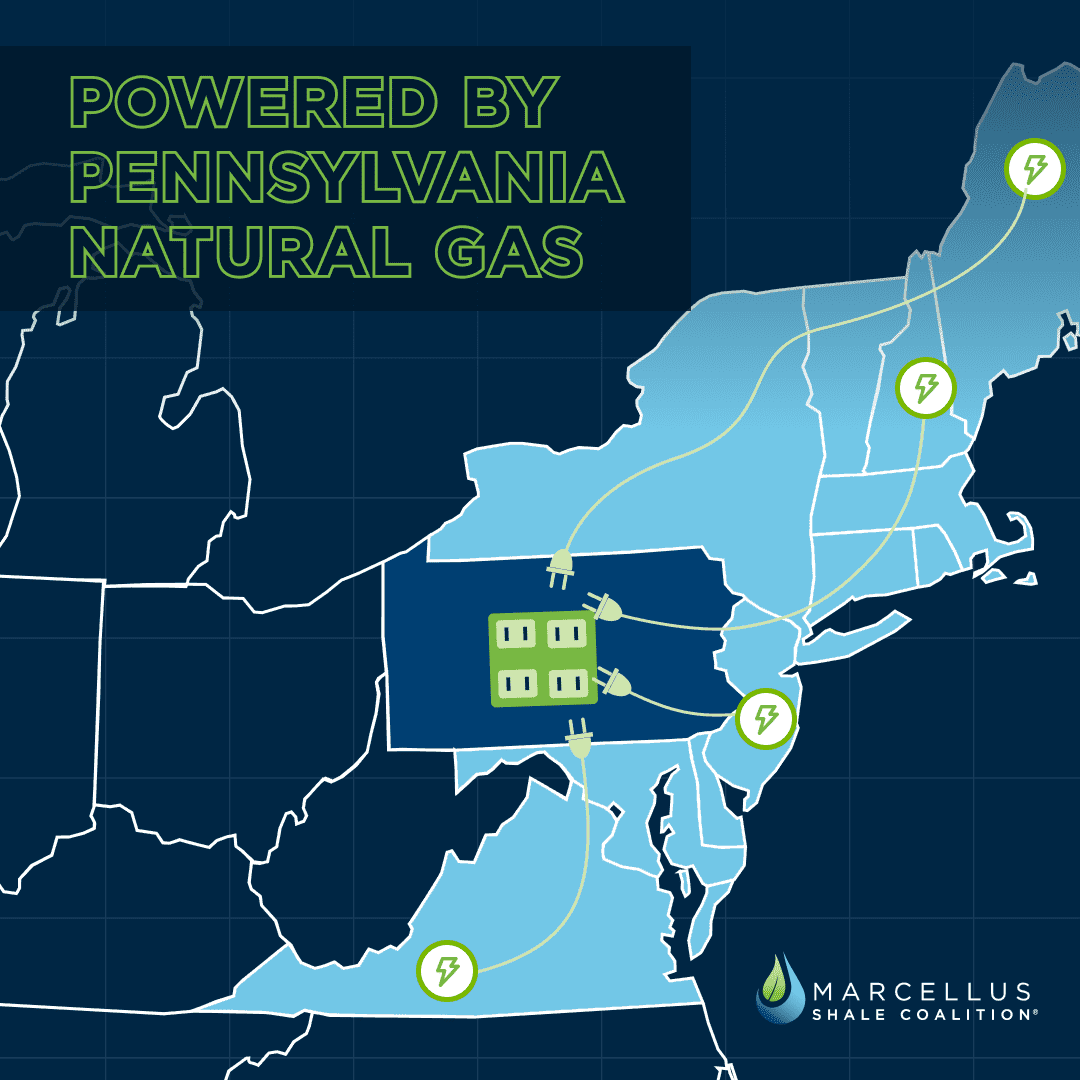
 In July, MDN told you that Talen Energy, a leading energy producer in the U.S., which owns and operates approximately 10.7 gigawatts (GW) of power infrastructure, had announced the acquisition of two gas-fired power plants: one located near Wilkes-Barre in northeastern Pennsylvania, and the other in Guernsey County, in eastern Ohio (see
  Last week, MDN warned you that the enviro-left that opposes fracking and shale energy in Pennsylvania (because they have an irrational hatred of fossil fuels) has morphed into opposing data centers, because data centers need lots of electricity and the only practical way of providing that power is via natural gas-fired power plants (see
  Net Power, backed by the Rice brothers (of Rice Energy and EQT fame), is on a mission to develop and deploy revolutionary new technology to capture every last molecule of carbon dioxide from natural gas-fired power plants (see
 For seven looooooong years, Pennsylvania Senate Republicans (and MDN, we modestly add) have fought against enrolling the Keystone State in the Regional Greenhouse Gas Initiative (RGGI) carbon tax scheme. RGGI taxes gas- and coal-fired power plants, charging them so much per ton of carbon dioxide emitted. The aim is to eliminate these sources and replace them with unreliable renewable energy sources, such as wind and solar. PA’s former failed Governor, Tom Wolf, tried to force the state to join RGGI via an executive order (see
  Despite claims by anti-fossil fuelers that the Tenaska Westmoreland Generating Station in southwestern PA would spread disease and death if it were built, it’s been up and running since 2018, producing power and generating money for both its builders and the community. Oh, and everyone is in good health. However, the plant has been operating under a state permit since it opened. It needs a federal Title V permit for long-term operation. The state Department of Environmental Protection (DEP) is the agency that issues such a permit and is proposing to do so, which (of course) has antis’ knickers in a twist. In particular, antis are complaining that there are no public complaining sessions scheduled.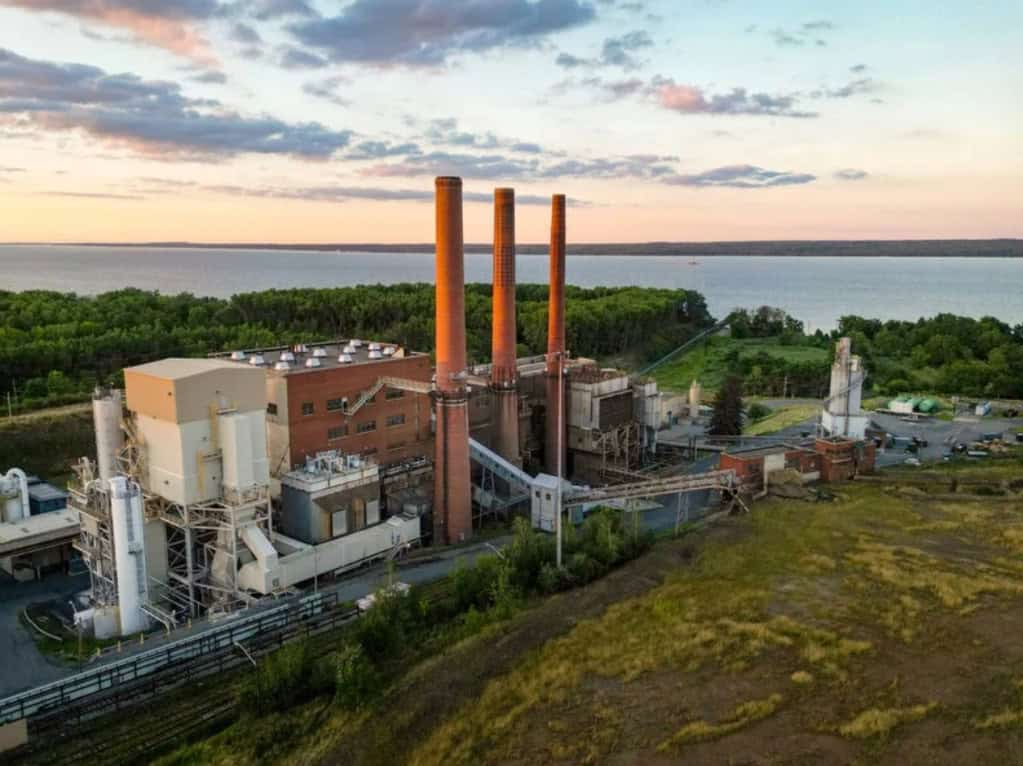
 Last week, the Pennsylvania Public Utility Commission (PUC) approved a Tentative Order by a 3-2 vote, proposing a statewide model tariff (tax) to manage the growing impact of large-load customers, such as AI data centers, on the electric grid. The goal is to encourage investment and job growth while protecting existing ratepayers from cost-shifts and ensuring reliability. The PUC failed. The proposed order was passed on a partisan basis, with the three Democrat commissioners voting to make it harder and more expensive for data centers to locate in the Keystone State, potentially jeopardizing $92 billion of investments promised to the state related to data centers (see
  We may finally, after seven long years of torture, have a resolution to the issue of forcing Pennsylvania to join the Regional Greenhouse Gas Initiative (RGGI) carbon tax scheme. The rumors are swirling around Harrisburg that the Democrats (including Governor Josh Shapiro) and Republicans in the state Senate are close to a budget deal. The budget was supposed to be adopted by July 1st. It’s now over four months late, and school districts and government agencies dependent on state funding are hurting. The rumor is that the budget deal includes a provision to dump PA’s participation in RGGI. Lefty environmentalists are having a CO2-emitting cow at the news.
  Mon Power and Potomac Edison are local utilities and subsidiaries of FirstEnergy Corp. The two companies recently submitted an Integrated Resource Plan (IRP) to the West Virginia Public Service Commission, outlining how they will continue to deliver reliable, cost-effective power to West Virginia homes and businesses over the next decade (see
  The Regional Greenhouse Gas Initiative (RGGI) is a carbon tax scheme. The RGGI tax is supposed to reduce the amount of carbon dioxide (CO2) produced by gas- and coal-fired power generators. The intent is to force fossil fuel power generators out of business. That’s what RGGI is designed to do, all in the name of reducing CO2. However, the only thing it accomplishes is to drive electricity prices higher. A new study from the Lawrence Berkeley National Laboratory (full copy below) finds that every state that belongs to RGGI has higher electricity prices than Pennsylvania. And each of those RGGI states saw their prices jump more over the past five years than the national average.
  In February 2024, members of the South Carolina Public Service Commission approved a proposed project to build a 1,020-megawatt (MW) gas-fired power plant in the state’s Lowcountry, in Colleton County (see