
Construction Begins for 14-Mile Pipe to Feed Berks Gas-Fired Plant

Ladies and gentlemen–start your bulldozers! It’s time to begin building a 14-mile natural gas pipeline from the Texas Eastern Transmission (Tetco) mainline in Rockland Township, to a natural gas-fired power plant under construction in Birdsboro (Berks County, near Philadelphia). EmberClear Corp. is a Canadian-based company that builds and operates natural gas-fired electric generation plants in North America. In 2015, EmberClear filed an application to build a new 488-megawatt natural gas-fired electric plant in Birdsboro, in Berks County, near Philadelphia (see New NatGas-Fired Electric Plant Coming Near Philadelphia). In April 2017, two different Japanese companies, Sojitz Corporation and Tokyo Gas, each purchased a one-third share ownership of the Birdsboro Power project (see Japanese Now Own 2/3 of Marcellus-Powered Electric Plant in SEPA). We call the Birdsboro Power a “Japanese-owned” project, which it is, but in reality EmberClear is still the company building and operating it. The PA Dept. of Environmental Protection (DEP) issued permits for the Birdsboro project in March of this year, and the project is now under construction (see PA DEP Issues Permits for Japanese Gas-Fired Elec Plant in SEPA). In order to operate, the plant will need gas. It will get its gas from the Tetco pipeline 14 miles away, via a dedicated pipeline. Construction has begun on the pipeline. Or rather, preliminary construction–clearing trees, etc. It will only take a few months to complete the pipeline project…
Read More “Construction Begins for 14-Mile Pipe to Feed Berks Gas-Fired Plant”
 In April 2016 MDN told you about the Guernsey Power Station–a new Utica/Marcellus natural gas-fired electric generating plant proposed for Guernsey County, OH (see
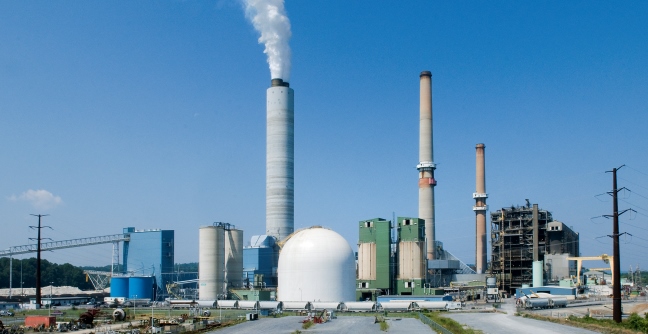
  We admire President Trump and the job he’s doing–and aren’t afraid to say so publicly. However, we don’t always agree with his decisions and policies. This is one of those times. In fact, we strongly disagree with a new Trump policy. President Trump has decided that the nation’s electricity grid, in order to be “secure” and not vulnerable to outages, needs to have a diversity of sources producing electricity. Even if those sources (coal and nuclear) are no longer economic. Natural gas, and to a far less degree, renewables like wind and solar, are replacing both coal and nuclear power plants. The gas is abundant, it’s cheap, it burns clean and just makes sense. Yet powerful lobbying interests for coal and nuclear have convinced Trump that without their higher-priced electricity in the mix, the country is somehow threatened. That’s bunkum. Last Friday, President Trump ordered Dept. of Energy Secretary Rick Perry to “prepare immediate steps” to stop the coal and nuke plants from retiring. That is unfortunate. Obama picked energy winners and losers. Fossil fuels like coal were targeted for extinction by Obama. Now, Trump is doing the same thing but in reverse. By propping up coal and nuclear, he will make electricity far more expensive for everyone. The right answer here, as it always has been, is to let the free market work…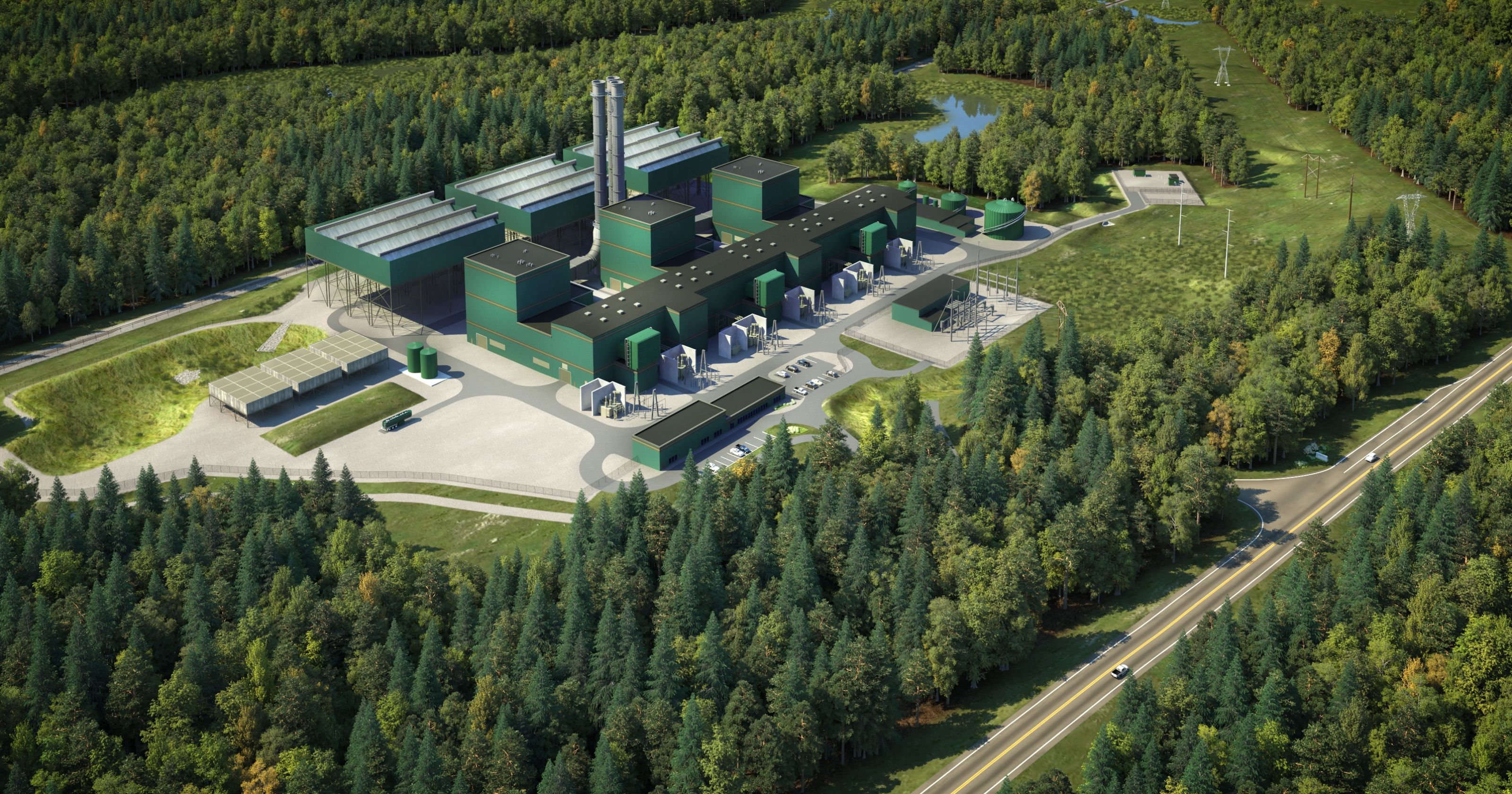


 On average, New York residents pay 44% more for electricity than neighboring states, like Pennsylvania. In January of this year, New Yorkers (and NY utility companies) were briefly forced to pay a record high of $140.25 per thousand cubic feet (Mcf) for natural gas, as opposed to what everyone else was paying (an average of $3.08/Mcf)–which is 46 times as much! Both stats are rooted in the same issue: NY pays WAY MORE for energy than it has to, because Andrew Cuomo is blocking natural gas pipelines into the state from PA. So says a new report titled “Pipelines and their Benefits to New York” (full copy below). The report, published by the Consumer Energy Alliance, examines the benefits of pipelines to New York, highlighting the need for affordable energy supplies to keep the daily lives of families and businesses across New York moving. Without those pipelines, we’re toast. You can’t build windmills and solar farms fast enough to meet the growing demand for electricity–and natgas. Cuomo’s dysfunctional energy policies are blocking all New Yorkers, upstate and downstate, from living even moderately prosperous lives…
 We’re simply at a loss for words. New York Gov. Andrew Cuomo is not a dictator, or is he? Cuomo said on a recent campaign stop that he will unilaterally, illegally, block all new “fossil fuel” powered electric plants in the state, including clean-burning natural gas-fired plants. The man is delusional. He doesn’t have that power–unless the sheeple that live in NY allow him to get away with it. We New Yorkers must rise up and stop this megalomaniac before he plunges NY into the ash heap of history. During a campaign event last Thursday, May 10, in Manhattan, Cuomo said with respect to new gas-fired electric plants: “I have not approved any new ones, and I won’t.” He also said that the state currently has gas-fired plants “all over the state” and that the “long-term plan is to close them.” Breathtaking arrogance! We’ve checked the state Constitution and we don’t find anything in it that vests the governor with the power to ban specific types of businesses in the state, whether for energy or otherwise. Where does he get off?…
 The trend is undeniable that coal powered electric generating plants are closing, and in their place, natural gas-fired plants are being built. In fact, natgas is also bumping off old nuclear plants, which presents a delicious dilemma for enviro freaks who have traditionally hated nukes for their waste that lasts a thousands years, yet because the electricity they produce is “carbon free” they now support nukes. Grid resiliency is the watchword. If the electric grid depends too much on a single source, can the entire grid become threatened should that source dramatically increase in price, or worse yet, dry up? What’s the likelihood of that happening? That’s what PJM, the largest regional transmission organization (RTO) in the U.S. (that oversees the electric grid in the Mid-Atlantic and Midwest) will study in the coming months. In other words, if coal plants, and nuclear plants, continue to shut down as they have been, and we’re left with mainly natural gas-fired plants in their place (as well as renewables and other sources like hydro), is that a “threat” to the entire grid?…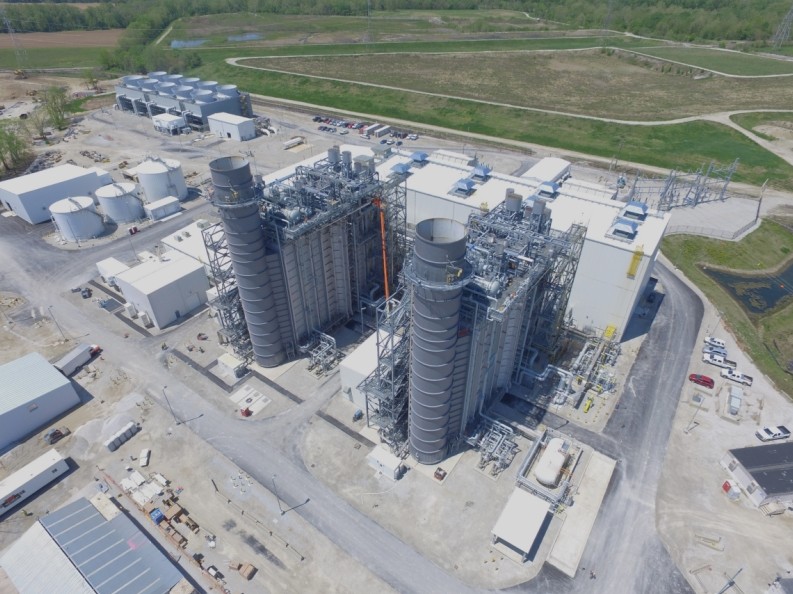
 West Virginia has a long, proud history as a coal producer. And according to West Virginia Coal Association President Bill Raney, some 95% of the electricity produced and used in the Mountain State comes from coal-fired plants. However, natural gas burns cleaner than coal, and frankly, natgas is now cheaper than coal. Yet WV still has not permitted or allowed a single new gas-fired plant to be constructed. Why not? The obvious answer is because Big Coal is pushing back and pushing back hard. Last September WV’s Secretary of Commerce, Woody Thrasher, admitted publicly that his beloved state is unfriendly to new natgas-fired electric plant projects (see
  NTE Energy, headquartered in Saint Augustine, FL, buys and builds electric generating plants and transmission facilities throughout North America. We’ve reported on a number of NTE projects, including a report from April 2016 when NTE announced three new gas-fired electric plants that will be fed by Marcellus/Utica gas (see
  As the Competitive Power Ventures (CPV) Valley Energy Center natural gas-fired electric generating plant in Orange County, NY gets ready to begin service, some of the neighbors are not happy with noises coming from the plant. They hope local town officials can meet with Gov. Andrew Cuomo and convince him to lean on the Dept. of Environmental Conservation to revoke permits for the plant that CPV just spent almost a billion dollars to build. We told you a month ago the only sliver of a hope antis have to prevent the plant from starting up is to convince the DEC to block it (see
  Yesterday the U.S. Energy Information Administration (EIA) issued a report saying it predicts 32 gigawatts (GW) of new electric generating capacity to come online this year, in 2018. Of that 32 GW, 21 GW (or 66%) will come from new natural gas-fired plants. And of that 21 GW of new gas-fired generation, Pennsylvania alone will generate 5.2 GW, and Maryland and Virginia will each generate 1.9 GW. Put another way, 9 GW out of 21 GW (or 43%) of all new demand for natural gas for power plants is happening right here in the Marcellus/Utica region. As we have observed on many occasions, power generation is a very important source of new demand for abundant and cheap Marcellus/Utica gas…
 Late last week Dominion Energy issued its first quarter 2018 financial and operational update. Dominion is not only a large utility company (electric and gas), but also a huge pipeline company. Dominion has it’s fingers in a lot of Marcellus/Utica pies, so we like to keep track of the company and what it says about various critical projects for our region. Dominion CEO Tom Farrell had a lot of interesting updates, including updates for: Atlantic Coast Pipeline, a $6.5 billion Dominion pipeline from West Virginia through Virginia and into North Carolina; Cove Point, the $4 billion LNG export facility that began commercial operations in April; Greensville County (VA) Power Station, a $1.3 billion natural gas-fired combined cycle power plant; and the proposed merger with SCANA Corporation, the main electric and gas company for much of South Carolina. Buckle up, there’s lots of news here…