
Proof That Data Centers Don’t Raise Residential Electric Rates
 We’re facing a full-blown crisis in building new AI data centers — at least in Pennsylvania (and in many other states). How do we know? Read this story published by the Wall Street Journal yesterday: The American Rebellion Against AI Is Gaining Steam. We also know because of our own private conversations with friends who live in Pennsylvania—very conservative, Republicans—who are deadset against data center projects. Their perception, right or wrong, is that big companies are forcing these projects on rural or disadvantaged communities that can’t fight back and that contain all the negatives, like noise and water use, with no positives. Our friends maintain that these data centers will use power from the local grid, driving up costs for everyone (particularly residences). That last argument is simply not true. Demonstrably not true. But the perception that data centers cause high electricity prices (as wrong as it is) persists. Read More “Proof That Data Centers Don’t Raise Residential Electric Rates”

 U.S. industrial natural gas consumption is projected to reach record highs through 2027, driven by rising manufacturing activity, particularly in the chemicals subsector. According to the latest U.S. Energy Information Administration (EIA) Short-Term Energy Outlook, consumption hit a record 23.6 Bcf/d in 2025 and will grow by 1.2% in 2026 and 1.7% in 2027. Although low natural gas prices spurred significant mid-2010s expansions that raised demand, recent growth has been relatively flat. Moving forward, steady increases in the natural gas-weighted manufacturing index are expected to outpace ongoing industrial efficiency improvements, ensuring gradual but consistent demand growth, with distinct winter seasonal peaks.
  This is HUGE and breaking news… NextEra Energy and Dominion Energy announced this morning that they will combine in an all-stock transaction, creating the world’s largest regulated electric utility business serving approximately 10 million customer accounts across Florida, Virginia, North Carolina, and South Carolina. The combined entity, operating under the NextEra Energy name, will be over 80% regulated and benefit from enhanced scale, efficiency, and diversified growth. How much is NextEra paying for Dominion?
  If you live in Auburn Township in Susquehanna County, Pennsylvania, it’s a pretty safe bet that either there is or soon will be shale well drilling going on near you. The PA Department of Environmental Protection (DEP) published notice in the May 16 Pennsylvania Bulletin announcing it has issued a permit for one aboveground water pipeline for one driller and is seeking comments on a request for a second aboveground water pipeline for a second driller, both in Auburn Township.
  In 2015, MPLX (i.e., Marathon Petroleum) bought out and merged with the Utica Shale’s premier midstream company, MarkWest Energy, for $15 billion (see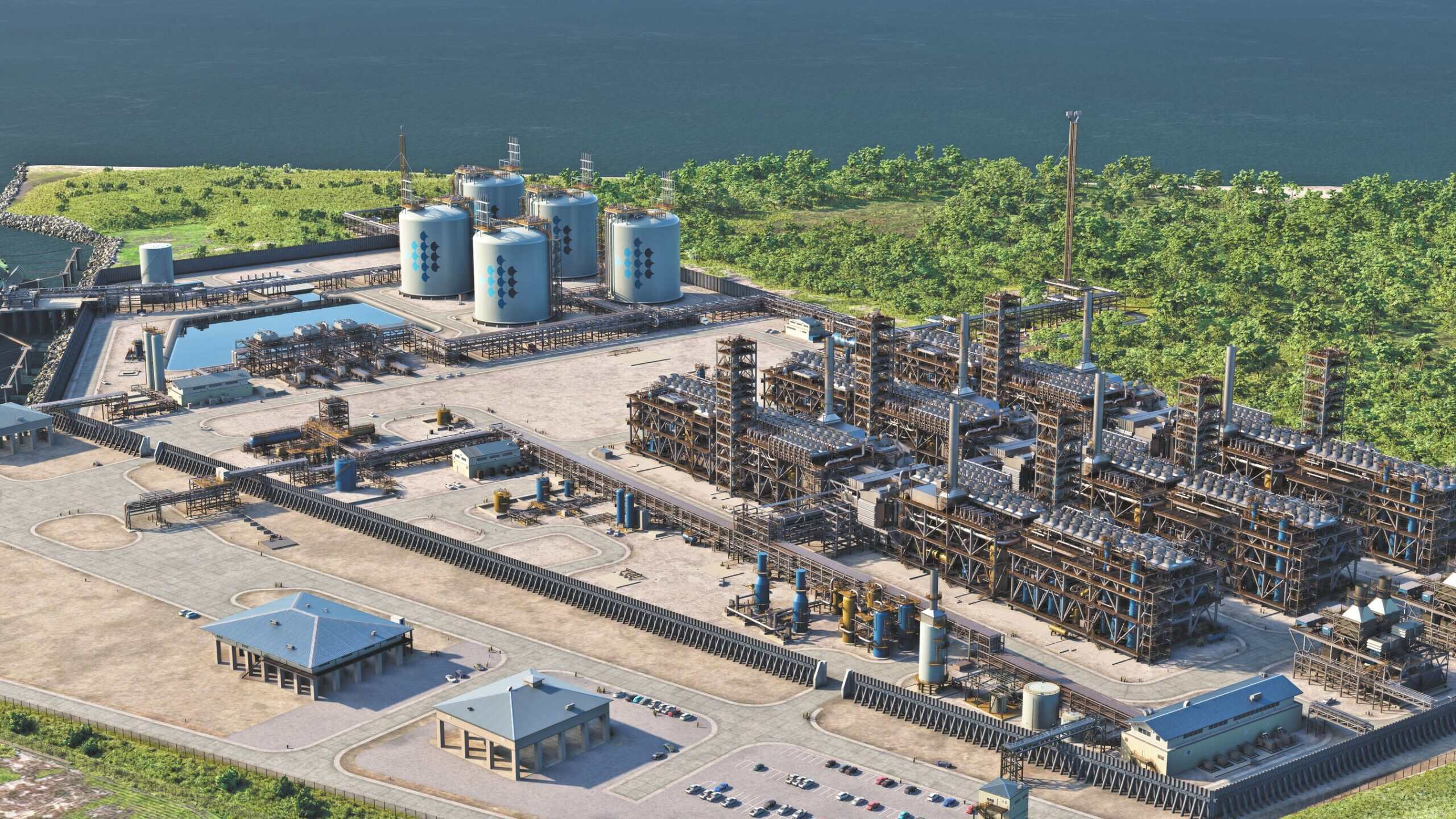
 The left and many on the right are banking on hydrogen as the next BIG THING in energy. Hydrogen fuel cell cars and burning hydrogen to heat your home are just two applications people dream will come true in the next 25 years. Of course, they’ve been dreaming about hydrogen for more than 50 years, but the history of hydrogen is for another post. We pay attention to hydrogen because 95% of all hydrogen today is produced by steam cracking natural gas. Ergo, hydrogen has the potential to be a big, important, new customer for our molecules. Everyone and his brother continues to make predictions about the hydrogen market over the next 35 years. Norwegian company DNV has its own crystal ball prediction, the “Hydrogen Forecast to 2060.”
  Yesterday was the day. The third AI Energy Conference (which sold out) was held at the Hilton Garden Inn Pittsburgh/Southpointe in Canonsburg, PA. One of the speakers, Travis Wright, Vice President of Energy and Sustainability for QTS, said that everyday smartphone use depends on data centers. They are essential infrastructure for modern life. Blackstone-owned QTS, which operates major facilities nationwide and is planning a 1,700-acre data center campus in Luzerne County (Wilkes-Barre area), sees Appalachia as a promising market due to its workforce, energy resources, and suitability for AI-focused facilities.
  In March, the Pennsylvania Department of Environmental Protection (DEP) released the results of a two-year study that found radium levels in landfill wastewater (leachate) from landfills with drill cuttings do NOT pose a risk to human health (see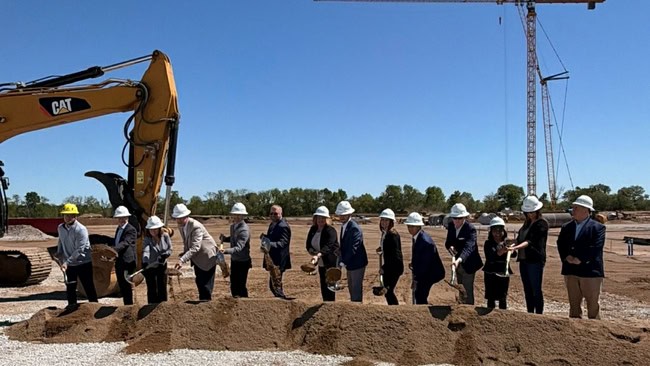
 Good news! The Public Service Commission (PSC) of South Carolina approved a joint application by Dominion Energy and Santee Cooper to build Canadys Station, a natural gas combined-cycle facility in Colleton County. The plant will generate approximately 2,200 megawatts (2.2 GW) — enough to power over one million homes — addressing the state’s growing energy demand. It will be built on the site of a former Dominion Energy coal plant, roughly 40 miles northwest of Charleston (the “Lowcountry” region), eliminating the need for new land clearing.
  Virginia is officially rejoining the Regional Greenhouse Gas Initiative (RGGI) carbon tax scheme this July after a liberal court deemed its previous withdrawal under former Governor Glenn Youngkin unlawful. This reentry forces utilities like Dominion Energy to resume purchasing carbon credits—modern-day indulgences for the “sin” of emitting carbon dioxide. The cost will be passed on to ratepayers through monthly bill increases (see
  It seems that not all of the judges who sit on the U.S. Court of Appeals for the Fourth Circuit (4th Circuit) are clowns, the way the three judges who oversee cases dealing with the Mountain Valley Pipeline (MVP) Southgate project are (see
  Last November, the Pennsylvania Public Utility Commission (PUC) approved a Tentative Order by a 3-2 vote, proposing a statewide model tariff (tax) to manage the growing impact of large-load customers, such as AI data centers, on the electric grid (see
  Pennsylvania Governor Josh Shapiro has been blaming the PJM Interconnection grid for the soaring costs of electricity when his own policies are to blame, even threatening to pull out of the cooperative (see