
Columbia Pipeline Group | Energy Services | Industrywide Issues | Ohio | Pipelines | Regulation | Statewide OH | TC Energy/TransCanada
Buckeye XPress Pipe Project in OH, WV Gets Favorable FERC Review

The Federal Energy Regulatory Commission (FERC) seems to have its own version of time. On February 28 this year, FERC promised to issue an environmental assessment (EA) for the Buckeye XPress (BXP) pipeline project no later than April 8 (see OH/WV Buckeye XPress Pipe Project Moves to Front of FERC Queue). Errr, right. FERC finally issued their EA (which was favorable, by the way), yesterday, on May 20. So in FERC-speak, April 8 actually means May 20. Got it?
Read More “Buckeye XPress Pipe Project in OH, WV Gets Favorable FERC Review”
 Yesterday New York Gov. Andrew Cuomo dropped an economic atom bomb on New York City by rejecting a natural gas pipeline to bring more supplies of clean-burning natgas to NYC and Long Island (see
  Pennsylvania Gov. Tom Wolf, arguably PA’s worst governor in a generation, has just thrown in his lot with uber-leftists Andrew Cuomo (governor of NY), Phil Murphy (governor of NJ), and John Carney (governor of DE) to support a total, permanent ban on fracking *and a ban on any drilling-related activities* in the Delaware River Basin (DRB). Put another way, Wolf has just turned his back on thousands of PA citizens living in the Wayne and Pike counties (in PA) who could be, right now, benefiting from Marcellus Shale drilling.
 Yesterday two northeast Pennsylvania legislators–state Representative Aaron Kaufer (Republican) and state Senator John Yudichak (Democrat)–hosted a rally to promote proposed new bipartisan legislation aimed at luring a “world-class” petrochemical manufacturing plant to the Scranton/Wilkes-Barre area. A big plant, on the order of the Shell cracker plant in southwestern PA. But no, not an ethane cracker. The kind of plant the two legislators want to attract in northeastern PA would leverage the huge volume of locally extracted Marcellus dry gas (i.e. methane).
 Hey New York Islanders NHL team–you’re screwed. No new stadium because your governor, Andrew Cuomo has just directed his corrupt Dept. of Environmental Conservation (DEC) to deny a permit to build the Williams Northeast Supply Enhancement (NESE) natural gas pipeline, a pipeline your new stadium needs or won’t get built. You can thank Andy for blowing your billion dollar project. Oh, and residents in NYC’s tenement buildings who won’t have heat next winter because their landlords are being forced by the city to dump fuel oil and now have nothing to switch to? They can thank Andy too, as they huddle with their winter coats on in their freezing apartments.
 Another chapter in the long-drawn-out saga of the effort to build a 22-mile pipeline in New Jersey. In February MDN reported that New Jersey radicals had succeeded in scuttling a plan to convert an old coal-fired electric plant into using natural gas (see
  Speaking of the exploded Revolution Pipeline located in southwestern Pennsylvania that’s led to a driller declaring bankruptcy (see EdgeMarc Energy Files for Bankruptcy, Blames Revolution Pipe Outage), yesterday the PA Dept. of Environmental Protection (DEP) issued an order to Energy Transfer, builder of Revolution, to “identify and restore or mitigate all streams and wetlands that it illegally eliminated or altered during the construction” of the pipeline. DEP claims ET “illegally” eliminated at least 23 streams and changed the length of another 120 streams.
 Mountain Valley Pipeline (MVP), being built by Equitrans (formerly EQT Midstream), has just agreed to pay a $265,972 fine and submit a plan of corrective action to West Virginia state regulators to fix storm water runoff caused when building the 303-mile pipeline in the Mountain State.
 Guess we should have seen this one coming. Last week MDN told you that U.S. Circuit Court of Appeals for the District of Columbia rejected an appeal by the rich snobs from Cooperstown that call themselves Otsego 2000, challenging the Federal Energy Regulatory Commission’s (FERC) approval of Dominion Energy’s New Market Project to build two new compressor stations in Upstate NY (see
  Last week the Pennsylvania House Environmental Resources and Energy Committee held an informational meeting to hear from the regulated community, including the shale industry, on their experiences with Dept. of Environmental Protection’s (DEP) permit review processes. By all accounts legislators (and the DEP) got an earful.
 Antis pinned their hopes that they could get the U.S. Circuit Court of Appeals for the District of Columbia to overturn a Federal Energy Regulatory Commission (FERC) approval for Dominion to build a couple of compressor stations in upstate New York, thereby forcing FERC to consider mythical man-made global warming in ALL pipeline decisions. The case had the makings of being a “landmark” case. Yesterday antis lost their landmark case when the court ruled the party bringing the lawsuit, Otsego 2000, didn’t have standing to bring the lawsuit in the first place.
 A radical Pennsylvania environmental group called PennEnvironment is pushing a media narrative that a “collection of 88 Republican and Democratic Pennsylvania state legislators” have joined together to introduce and endorse a truly insane plan that would require all (as in 100%) of electricity generated in the Keystone State to come from so-called renewables by 2050–just 30 years from now. It will NEVER happen, but that’s beside the point. Our point is that one named Republican is part of this “bipartisan collection” of 88 leftists. The lone Republican is PA State Sen. Tom Killion from the Philadelphia area.
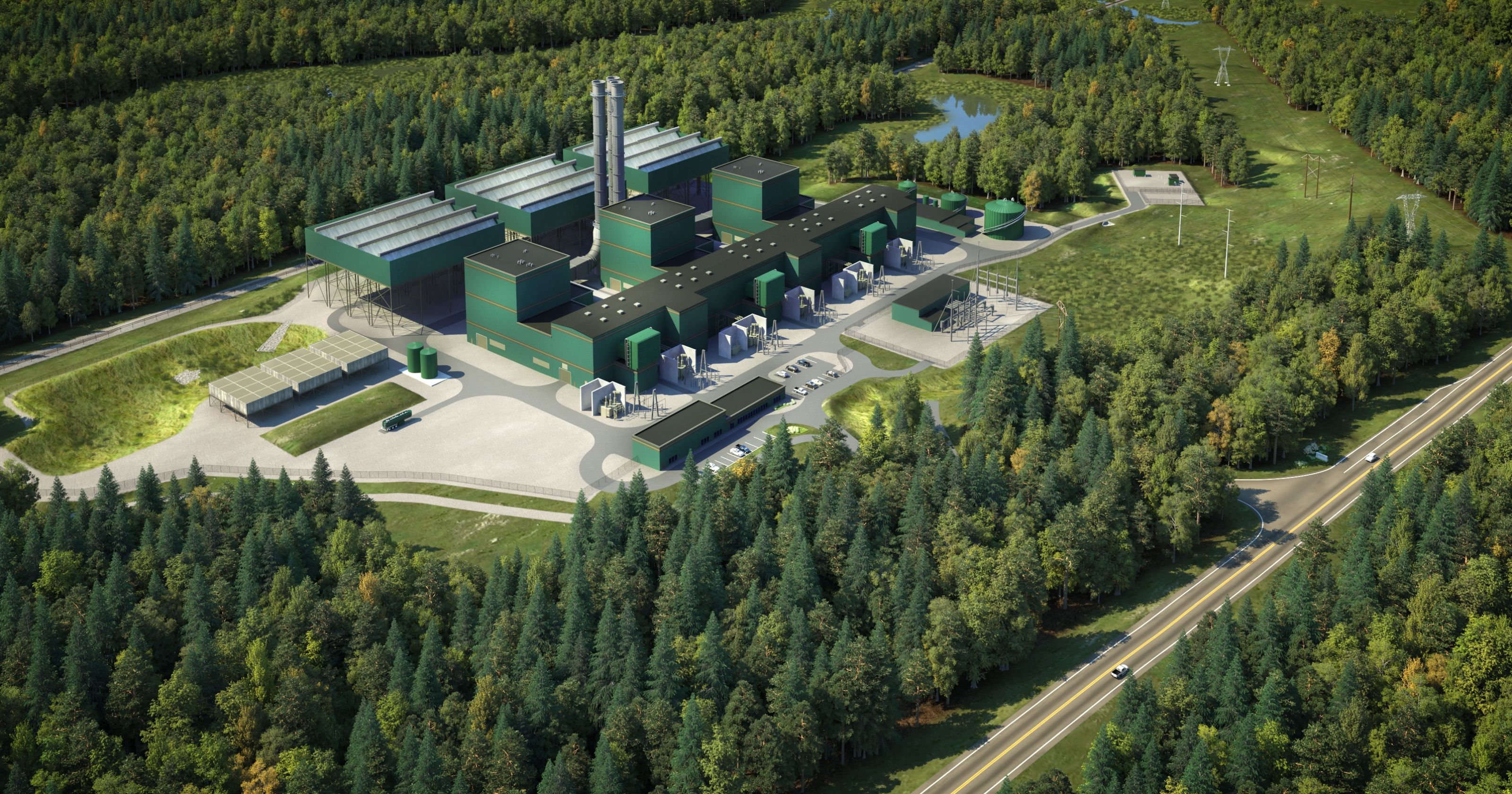
 On multiple occasions we have outlined the reasons why federal agencies like the Federal Energy Regulatory Commission (FERC) exist–in order to prevent individual states from harming their neighbors economically. An individual state can’t block a new interstate highway, or the trucks and cars that travel it, from entering their state. It’s the same for power transmission lines and for pipelines. Yet New York Gov. Andrew Cuomo is violating that law by rejecting interstate pipelines.