
Squabble Over Data Center in Lordstown Goes to Ohio Supreme Court
 Lordstown is a small village in southern Trumbull County, Ohio (population 3,332). The village has one operational gas-fired power plant, the Lordstown Energy Center, generating 940 megawatts (MW) of electricity. A second gas-fired power plant, the Trumbull Energy Center, is under construction and due to come online in 2026. It will generate 950 MW of electricity. Developers are proposing to build a $3.6 billion, 1.65 million square-foot data center campus in Lordstown on the site of the former GM complex (south of OpenAI’s Stargate AI data center campus). The developers filed a petition with the Ohio Supreme Court against Lordstown, claiming the village is blocking consideration of their proposal in violation of zoning procedures. Read More “Squabble Over Data Center in Lordstown Goes to Ohio Supreme Court”
 I see ghosts! Or is that dead people? The U.S. electricity grid faces pressure from surging demand, primarily from data centers, sparking debates over reliability and cost allocation. EPSA (Electric Power Supply Association) CEO Todd Snitchler warns that “ghost projects”—projects announced and planned/funded but never built—are artificially inflating load forecasts. He argues that regulated utilities use these overstated numbers to justify expensive rate-based generation, benefiting shareholders while forcing customers to bear the costs of potential overbuilding. Competitive energy markets are demanding accurate, data-driven planning to maintain affordability and reliability without wasting capital on unnecessary infrastructure. Please, no more ghosts.
 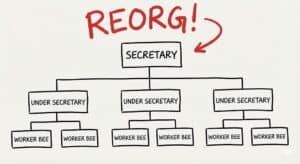 Reorg! The Department of Energy (DOE) unveiled a major reorganization under the Trump administration to prioritize fossil fuels, minerals, and nuclear power while diminishing renewable energy programs. Secretary Chris Wright’s plan rebrands the loan program as “Energy Dominance Financing” and consolidates efficiency and clean energy divisions into a new “Office of Critical Minerals and Energy Innovation.” This restructuring, aimed at restoring “common sense” to energy policy, accompanies billions in project cancellations and staff reductions.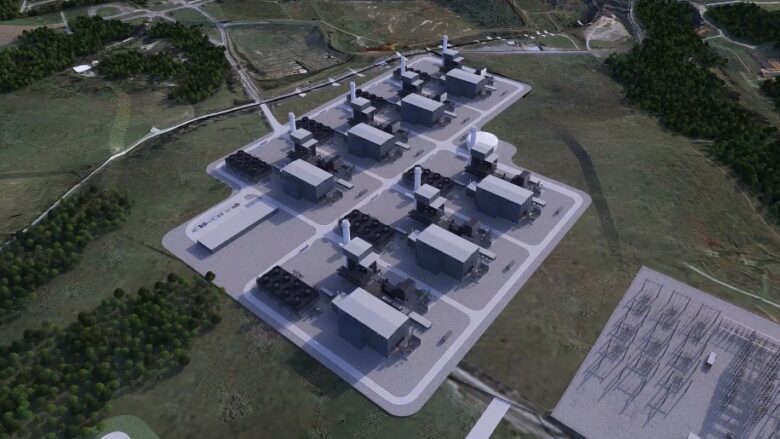

 In May, pipeline giant Williams filed a request with the Federal Energy Regulatory Commission (FERC) to expedite the reissuance of a certificate for the Northeast Supply Enhancement (NESE) project, a $1 billion+ project designed to increase Transco pipeline capacity and flows of Marcellus gas heading into New York City and other northeastern markets (see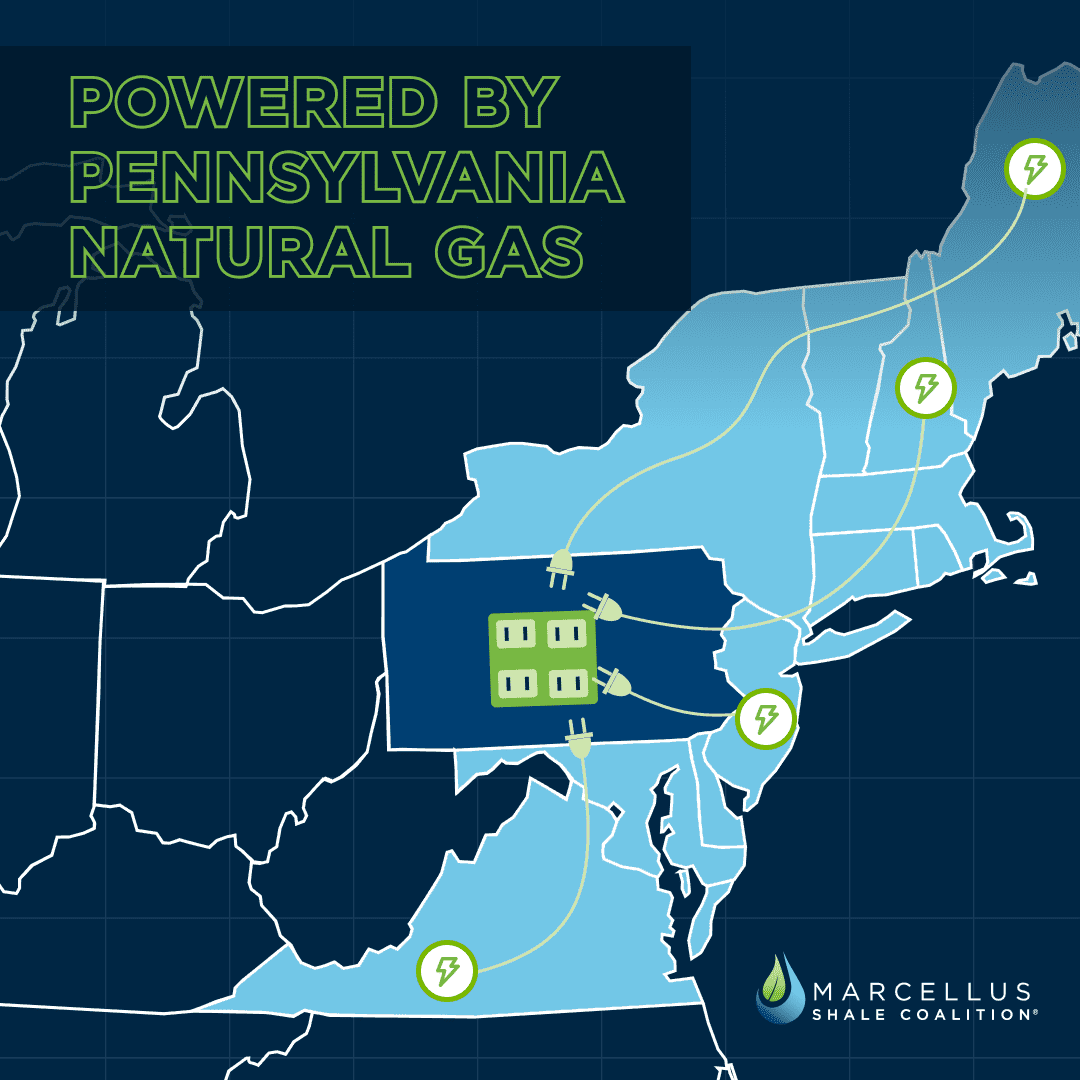
 Finally! For years, going back to the administration of Lord Obama, the radical left has tried to redefine the “waters of the United States” (WOTUS). See our
  In May, NRG Energy announced a deal to acquire LS Power’s portfolio of natural-gas power plants in a deal valued at roughly $12 billion, including debt, that will expand NRG’s footprint in Texas and along the East Coast (see
  Last week, we brought you the fantastic news that the Regional Greenhouse Gas Initiative (RGGI) carbon tax scheme in Pennsylvania is officially dead with the adoption of the 4-month late state budget (see
  We continue to win so much, it feels strange. But hey, we can get used to it! Back in April 2021, we reported that the leftist Democrats who run the North Carolina Department of Environmental Quality (NCDEQ) had, for the third time, rejected giving the Mountain Valley Pipeline (MVP) Southgate project a necessary Clean Water Act (CWA) Section 401 water quality certification permit (see
  One month ago, we reported that Ohio Republican Senators had introduced Senate Bill (SB) 219, the first significant update to Ohio’s oil and gas laws since the Kasich administration more than a decade ago (see
 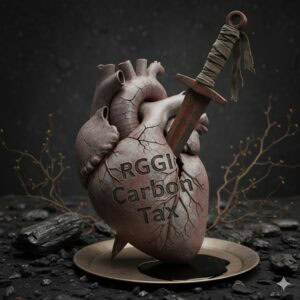 For seven looooooong years, Pennsylvania Senate Republicans (and MDN, we modestly add) have fought against enrolling the Keystone State in the Regional Greenhouse Gas Initiative (RGGI) carbon tax scheme. RGGI taxes gas- and coal-fired power plants, charging them so much per ton of carbon dioxide emitted. The aim is to eliminate these sources and replace them with unreliable renewable energy sources, such as wind and solar. PA’s former failed Governor, Tom Wolf, tried to force the state to join RGGI via an executive order (see
 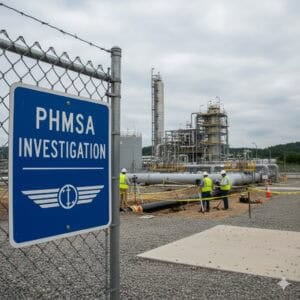 Federal safety officials are investigating leaks of ethane near two small underground storage tanks at the Cove Point LNG export terminal in Maryland and have requested that they be taken out of service immediately, citing potential safety concerns. The cause of the leak appears to be related to the tanks or their piping. However, Cove Point LNG, a facility owned and operated by a Berkshire Hathaway Energy subsidiary, maintains that the 40-gallon tanks are “safe to operate under the current conditions” and that the leaks have never posed an unsafe condition for employees or the community. The Pipeline and Hazardous Materials Safety Administration (PHMSA) issued a proposed safety order in mid-October, and the company has requested an informal consultation to discuss it.
  Despite claims by anti-fossil fuelers that the Tenaska Westmoreland Generating Station in southwestern PA would spread disease and death if it were built, it’s been up and running since 2018, producing power and generating money for both its builders and the community. Oh, and everyone is in good health. However, the plant has been operating under a state permit since it opened. It needs a federal Title V permit for long-term operation. The state Department of Environmental Protection (DEP) is the agency that issues such a permit and is proposing to do so, which (of course) has antis’ knickers in a twist. In particular, antis are complaining that there are no public complaining sessions scheduled.
  In January 2023, New York Gov. Kathy Hochul, a leftist Democrat, floated a plan to ban natural gas hookups in every single new home and business across the “Empire” State (see