
M-U Rig Count Stays @ 39; Nat’l Count Adds 5; Haynesville Adds 7
 Two weeks ago, the Pennsylvania Marcellus picked up one rig, while the Ohio Utica lost a rig (see M-U Rig Count Stays @ 39 But PA & OH Swap 1 Rig; Nat’l Count @ 546). The M-U count remained identical last week. PA now operates 19 rigs, OH operates 13 rigs, and WV maintains operating 7 rigs. There were 25 rigs targeting the Marcellus and 14 targeting the Utica last week, for a total of 39 rigs. The national count gained 5 rigs last week, bringing the national total to 551 active rigs. However, there was a major move in the M-U’s chief competitor, the Haynesville Shale. Read More “M-U Rig Count Stays @ 39; Nat’l Count Adds 5; Haynesville Adds 7”
 The highly functional and responsible Susquehanna River Basin Commission (SRBC), unlike its highly dysfunctional and irresponsible counterpart, the Delaware River Basin Commission (DRBC), continues to support the shale energy industry by approving water withdrawals and consumptive use requests for responsible and safe shale drilling. The SRBC published a notice in the February 7 Pennsylvania Bulletin that the Executive Director of the SRBC approved and/or renewed 42 general water use permits in December and 32 general permits in January (74 combined) for individual shale gas well drilling pads in Bradford, Clearfield, Clinton, Lycoming, Sullivan, Susquehanna, Tioga, and Wyoming counties.
  The Pennsylvania Department of Environmental Protection (DEP) is seeking public comment on an Individual Stormwater Permit for a 5.8-mile natural gas pipeline in Indiana County. Serving the proposed Homer City Generation LP 4.5 GW power plant and data center, the 30-inch pipeline will traverse Black Lick, Burrell, and Center Townships, involving several stream and wetland crossings. Interested parties have 30 days to submit comments to the DEP’s Northwest Regional Office. While no public hearing is currently scheduled, one may be requested. Additional project details and permit applications are available for review through the DEP’s regional office and website.
  The Marcellus/Utica region received a combined 22 new drilling permits last week, Jan. 26 – Feb. 1, up significantly from the 10 issued two weeks ago. Pennsylvania issued 15 new permits; Ohio issued none; and West Virginia issued 7. The drillers receiving new permits last week included: Clean Energy Exploration & Production, CNX Resources, Coterra Energy, and EQT.
  In a report coming from Luzerne County, PA (northeastern part of the state), rural landowners in Hollenback Township are allegedly being offered $175,000 per acre to sell their property for a massive artificial intelligence (AI) data center campus. This “data center takeover” has alarmed some Luzerne County residents who fear the project will destroy the area’s rural character and strain local utility resources. The high-value offers follow months of community pushback led by State Representative Jamie Walsh (a Republican), who has criticized the secrecy surrounding these large-scale developments.
  Yesterday, Shell’s chemical division reported a $66 million fourth-quarter loss, driven by weak margins and operational hurdles at its $14 billion Beaver County ethane cracker plant complex. Shell CEO Wael Sawan acknowledged the chemicals business is underperforming, making a turnaround a “top priority” for 2026. Although Shell is exploring a sale or joint venture for the Monaca facility due to its geographic isolation and high costs, no specific updates were shared during the latest earnings call.
  On Wednesday, the Pennsylvania Senate approved Senate Bill (SB) 704, known as the Grid Stabilization and Security Act, sponsored by Republican State Senator Gene Yaw. This legislation directs the Department of Community and Economic Development (DCED) and the Department of Environmental Protection (DEP) to collaborate to identify suitable sites for natural gas-powered electricity generation. By streamlining site preparation, the bill aims to address critical shortfalls in electricity generation on the PJM grid and attract new investment in baseload power, which has stagnated since 2019.
  On February 3, 2026, Pennsylvania’s Environmental Hearing Board (EHB) denied a motion by CNX to dismiss an appeal from James and Barbara Ullom regarding significant water loss on their Washington County property. The Ulloms allege that fracking operations at CNX’s NV110 well pad, located approximately 890 feet from their well, caused their water supply to fail (loss of water). Although the Department of Environmental Protection (DEP) initially found no link, the EHB, a special court that hears appeals of DEP decisions, ruled that the Ulloms had established a prima facie case. A central legal issue remains: whether the Oil and Gas Act’s “rebuttable presumption” of liability applies to water loss or strictly to contamination.
 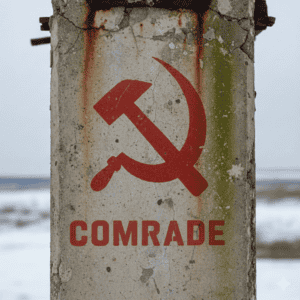 Pennsylvania Governor Josh Shapiro (far-left Democrat) has a plan to address rising electricity costs by “increasing oversight” of investor-owned utilities, which he claims generate “excessive profits” at the expense of Pennsylvania ratepayers. That’s code for take them over and have the government (liberal Dems) run them. Last time we checked, we still live in the USA, land of the free and home of the brave. We don’t live in the USSR.
 Despite claims by anti-fossil fuelers that the Tenaska Westmoreland Generating Station in southwestern PA would spread disease and death if built, it’s been up and running since 2018, producing power and generating revenue for both its builders and the community. Oh, and everyone is in good health. However, the plant has been operating under a state permit since it opened. It needs a federal Title V permit for long-term operation. The state Department of Environmental Protection (DEP) is the agency that issues such a permit and is proposing to do so, which (of course) has antis’ knickers in a twist. In particular, antis complained that no public complaint sessions were scheduled. They got their wish yesterday.
  Yesterday, MDN brought you the big news that Devon Energy is buying out and merging with Coterra Energy, paying $21.4 billion in Devon stock (see
  Last July, President Trump and PA U.S. Senator Dave McCormick attended a meeting in Pittsburgh to announce an amazing $92 billion of private (no taxpayer funding) investment in the Keystone State, mainly in the data center sector (see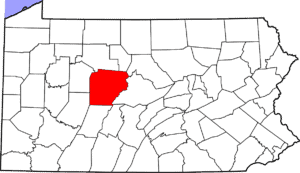
 Pipeline giant Williams is going on a PR offensive to pressure New York State to approve the 125-mile (99 miles in NY) Constitution Pipeline from the prolific gas fields of Susquehanna County, PA, into and through New York State, to Schoharie County, where it would connect with two other interstate pipeline systems to flow molecules to New York City and New England. On its blog site, Williams recently published a post titled “Winter storms underscore why infrastructure is needed,” with the subtitle “Severe cold underscores need for Constitution Pipeline.”