
Talen Energy Converting Moutour, PA Plant to Burn Coal AND NatGas
 It was just two days ago MDN told you about a Pennsylvania-based electric power generating company–Talen Energy–getting bought out by an investment company (see Investment Firm Buying Talen Energy – PA Electric Generating Co). We have more Talen news. The company just announced that one of its coal-burning electric generating plants, located in Montour County, PA, will get an upgrade to burn natural gas in addition to burning coal. The Montour Power Plant went online in 1972/73 and generates 1,504 megawatts of electricity. The $70 million upgrade planned by Talen (requiring a 15-mile pipeline) will continue to produce the same amount of electricity, but will give the plant the option to power it with either natgas or coal, depending on which is cheaper. More yummy, clean-burning Marcellus Shale gas on the way!…
Read More “Talen Energy Converting Moutour, PA Plant to Burn Coal AND NatGas”


 The “best of the rest” – stories that caught MDN’s eye that you may be interested in reading. In today’s lineup: Ohio has 1,748 drilled Utica wells; lawmakers clash over PA drilling regs; DC public pension divested without retiree permission; Henry Hub avg natgas price was $1.92/MMBtu in May; why did natgas prices rise 25% over past 2 weeks?; market rebalancing will take longer for gas than oil; TransCanada’s XL Pipeline revenge; and more!
 This is the biggest of big news. We’ve been waiting for this day a LONG time. Earlier today Shell held a “Capital Markets Day” (in the Netherlands) and provided an extensive update on “reshaping” the company–for 2020 and beyond. As part of the update, hidden part of the way through their press release, we get this statement from Shell: “In Chemicals, the company already has brownfield growth projects underway on the US Gulf Coast and in China.
 The ongoing soap opera of whether or not Energy Transfer Equity really will buy Williams continues to play out. Yesterday ETE (and Williams) issued press releases announcing that Williams shareholders have until 5 pm on June 24 to provide their official voting documentation on the merger. ETE is careful to point out that Williams shareholders should hold on to their shares–not turn them in–until the merger is official and completed. ETE also says once they’ve voted on the merger, Williams shareholders can’t turn around and sell their Williams shares of stock until the final merger is either declared a “go” or a “no go.” The elaborate ands, ifs & buts in the ETE statement still leaves us wondering whether or not this is all just kabuki theater–a show–with no real intention of closing on the merger. Case in point: here’s what ETE’s lawyers said in yesterday’s announcement…
 MDN first told you about IMG Midstream in August 2014 (see
  Carrizo Oil & Gas, a Houston-based driller, actively drills in the Eagle Ford Shale in South Texas, the Delaware Basin in West Texas, the Niobrara Formation in Colorado, and until mid-year in 2015, they did have an active drilling program in the Ohio Utica and Pennsylvania Marcellus. No more. They haven’t drilled in Appalachia since 3Q15 (see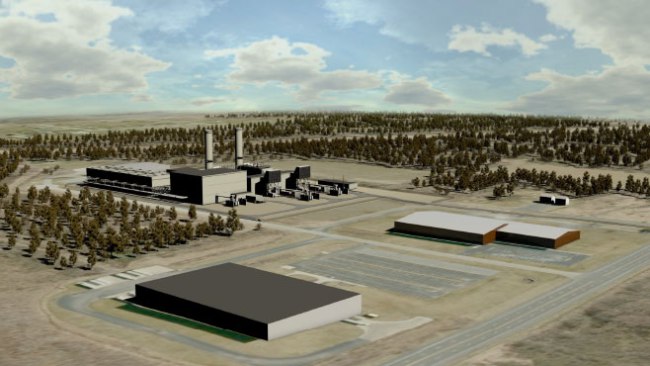

 As you may have noticed, in today’s lineup of stories MDN covered news about two different natural gas-fired electric plant companies and the plants they are building in the northeast. Gas-fired plants are not only springing up everywhere in the northeast, but across the country. Why? Because a) Obama’s war on coal has forced many coal generating plants to close, and b) shale gas has made clean-burning natural gas as cheap as, sometimes cheaper than, burning coal to produce electricity. But coal and natgas aren’t the only sources that produce electricity. Solar, wind, biomass and others are also used to produce electricity. Radical environmentalists, who frankly don’t think for themselves and live in a false bubble, pretend that solar and wind could, “if we only had the will,” take over all electric production in this country. What a lark. There’s a reason natural gas is becoming the dominant fuel to produce electricity in this country–it costs less. Our favorite government agency, the U.S. Energy Information Administration, is fresh out with an analysis of how much it costs to build new electric plants. Guess which source is the cheapest? Yep–natural gas. And guess which sources cost two-to-four times as much to build as natgas? Yep–wind and solar. Which is why the radicals want to force natural gas into oblivion. Their preferred sources just can’t compete economically…
 A new report just issued by Global consulting and research firm IHS, says that Canadian oil sands and U.S. “tight oil” (i.e. shale oil) production have “become the twin pillars of North American energy security.” Canada’s oil sands the shale in U.S. represent 95% of the growth in North American oil production from 2009-2015. Over the same time we reduced our dependence on offshore oil imports by 40%. Folks, this is HUGE. Fracking of shale is nothing short of a miracle in our country. For Crazy Bernie Sanders to shout, as he did at a rally in California last week, that “We are going to ban fracking all across this country” is insanity itself. Can you imagine if that fossil actually became President and signed an Executive Order banning all fracking? Hillary Clinton’s position is essentially the same as Crazy Bernie’s. Loony tunes. For the first time since the oil shocks of the 1970s when OPEC began to royally screw us over, we now can tell OPEC where to go pump their oil. You can see why Obama’s decision to deny the Keystone XL Pipeline from Canada is so stupid and damaging to our energy security…
 Warren Resources, a small driller that drilled and brought online their first two Marcellus Shale wells last year, is based in Houston and operates in California, Colorado, Wyoming and Pennsylvania. In February MDN told you that Warren missed an important $7.5 million payment, the first ominous signal of what was to come (see