
Massive OH Project Has Its Turbines; Changes the Utica Gas Math
 A pile of poster boards in a YMCA gymnasium is not usually where you find the most important number in a $33 billion project. But on Aug. 27, at the Pike County YMCA in Waverly, Ohio, an SB Energy executive told a Columbus Dispatch reporter something that ought to get every Utica producer’s attention: the turbines are already bought. Not ordered. Not “in negotiations.” Bought — for the first phase of what will be the largest gas-fired power plant in American history. Read More “Massive OH Project Has Its Turbines; Changes the Utica Gas Math”
 Back in May we told you Dominion Energy had brass you know what announcing a monster 3,000-megawatt (3 gigawatt) gas-fired power plant in Cumberland County, Virginia, while its much smaller Chesterfield peaker project was still stuck in the mud after three years of green lawfare (see
  Here’s a pipeline fight where the bad guys aren’t the greens. Last Friday, the U.S. Court of Appeals for the D.C. Circuit sided with the Federal Energy Regulatory Commission (FERC) and Enbridge subsidiary East Tennessee Natural Gas (ETNG), tossing out a challenge brought not by environmental radicals but by the pipeline’s own customers — a group of small-town gas utilities in Tennessee, Virginia, and Alabama who said they were being stuck with the bill for an upgrade they never asked for.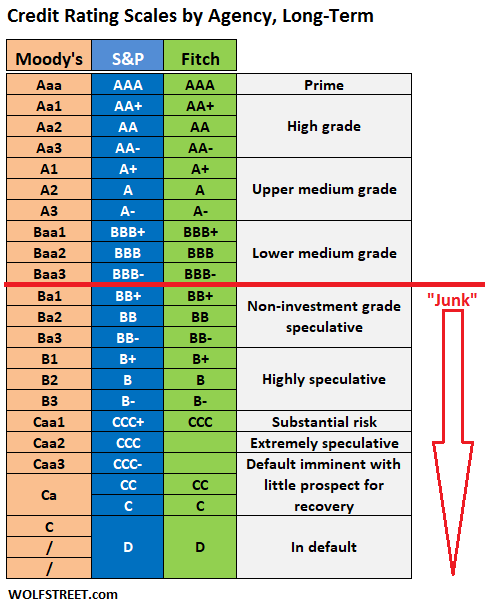
 OTHER U.S. REGIONS: Cheniere finishes CCL stage 3, ships 5,000th LNG cargo; Datacentrex invests $30M in Eagle LNG, space launch fuel supplier; NY’s new solar religion is devastating to wildlife, farmland; Canada trade war puts New York’s hydro power at risk; NATIONAL: U.S. natural gas futures gain on late-summer heat; Southeast natgas cash vaults past $7 as western spike deflates; Musk says SpaceX is building a foundry for gas turbine components; Trump to host oil executives after accusing refiners of gouging consumers; Democrats now urge politicians to ditch climate talk; Federal oil and gas well bonding – undoing Biden; Permitting gridlock is crippling America’s energy startups; The missing piece in Trump’s oil and gas boom is jobs; INTERNATIONAL: Oil rallies on fresh US-Iran fighting; LNG exports through Hormuz remain stalled even as oil flows rebound; Middle East’s energy leaders up investments in natural gas resilience; Panama Canal congestion drives gas tankers to unusual routes.
  In April, we told you the Federal Energy Regulatory Commission (FERC) was taking a fresh look at the revived Constitution Pipeline and the associated Wright Interconnect project, and that the agency had to decide whether a relatively quick Environmental Assessment (EA) would do the job — or whether it would drag the projects through a full-blown, years-long Environmental Impact Statement (EIS). We got our answer on August 21. FERC staff issued the EA for both projects — 79 pages plus appendices — and the bottom line is the one supporters have been waiting on: building Constitution “would not constitute a major federal action significantly affecting the quality of the human environment.” In plain English — no significant impact. No years-long supplemental EIS is needed.
  The Marcellus/Utica finally moved last week — in the wrong direction. Ohio dropped a rig, taking the M-U to 34 and ending a three-week stall at 35. Nationally, the count didn’t budge at all, holding at 588. But that flat number hides something: oil rigs fell five while gas rigs gained five, and not one of those new gas rigs showed up here. Frac spreads slipped again too, down four to 180 — the second straight weekly decline.
  A group of North Fayette Township (Allegheny County, PA) residents who tried to block a Range Resources well pad has lost its appeal — not because a court weighed their evidence, but because they live too far away to sue. The Pennsylvania Commonwealth Court ruled August 25 that Stephen Bates and Heather Forster, who share an address more than two miles from the proposed pad, lack “standing” — the legal right to bring a case — to challenge the township’s approval in court.
  Last week, we covered Enterprise Products Partners signaling a “rate reset” on ATEX, the ethane pipeline that carries Marcellus/Utica ethane to Mont Belvieu (see
  Iroquois Gas Transmission System’s Enhancement by Compression (ExC) project has cleared FERC. It has cleared New York. The one thing standing between it and a shovel is a state air permit for two gas-fired compressor units in Brookfield, Connecticut. The Hartford Courant checked in on that fight yesterday — and buried the two most important facts halfway down the story. Quick refresher for anyone joining late: ExC is a $272 million upgrade that adds horsepower at three existing compressor stations — Dover and Athens in New York, Brookfield in Connecticut. No new pipe. Just more compression, squeezing an additional 125 MMcf/d (125 million cubic feet per day) through the existing 414-mile line into New York City and New England. That’s roughly a 10% throughput gain on a line that already exists, feeding two of the most gas-starved, highest-priced energy markets in the country. (The Courant puts the project at $275 million; we’ve used the $272 million figure Iroquois has cited. Small gap, worth pinning down.)
 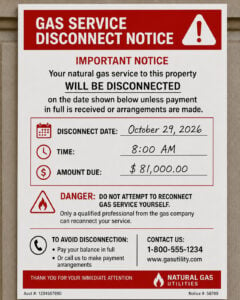 Ohio pumped roughly 2 trillion cubic feet of natural gas out of the ground last year, most of it from the Utica Shale. And yet 43 families in Washington County are being told to find another way to heat their homes by October 29 — because the wells that feed their gas line are running out of gas. The Marietta Times and the Parkersburg News & Sentinel both reported last week that Knox Energy has notified 43 customers in the Belpre area that their natural gas service ends October 29. The reason isn’t a billing dispute or a rate case. It’s geology.
  The government of New Brunswick, Canada, granted conditional approval last Friday for a 500-megawatt natural gas power plant that provincial officials say is needed to keep the lights on and prevent rolling blackouts within two years. The Canadian Press story that broke the news never asked the obvious question — the one a half-dozen readers asked in the comments section instead. Where does the gas come from? Answer: Appalachia. Or Qatar. Anywhere, really, except New Brunswick, which has outlawed fracking since 2014.
  The Marcellus/Utica region received 19 new drilling permits last week, August 17 – 23, down from the 27 permits issued two weeks ago. For the second week in a row, Pennsylvania issued the fewest new permits, with 2 (after issuing just 4 two weeks ago). What’s up with PA? Ohio issued 4 permits. And West Virginia took the prize last week, issuing 13 new permits. The drillers who received new permits were: Expand Energy (6), Infinity Natural Resources (1), Northeast Natural Energy (1), Pennsylvania General Energy (2), Tiburon Oil & Gas (3), and Vickery Energy (6).
 Nineteen months after TECfusions bought the old Alcoa research campus in Upper Burrell (Westmoreland County), PA, and promised to build 3 gigawatts of gas-fired AI computing capacity, the company announced yesterday that the site is live and delivering GPU capacity to a paying customer. It’s a small first bite of a very large apple—but it’s real, it’s running on gas turbines today, and it sits on top of Marcellus wells the company already owns.