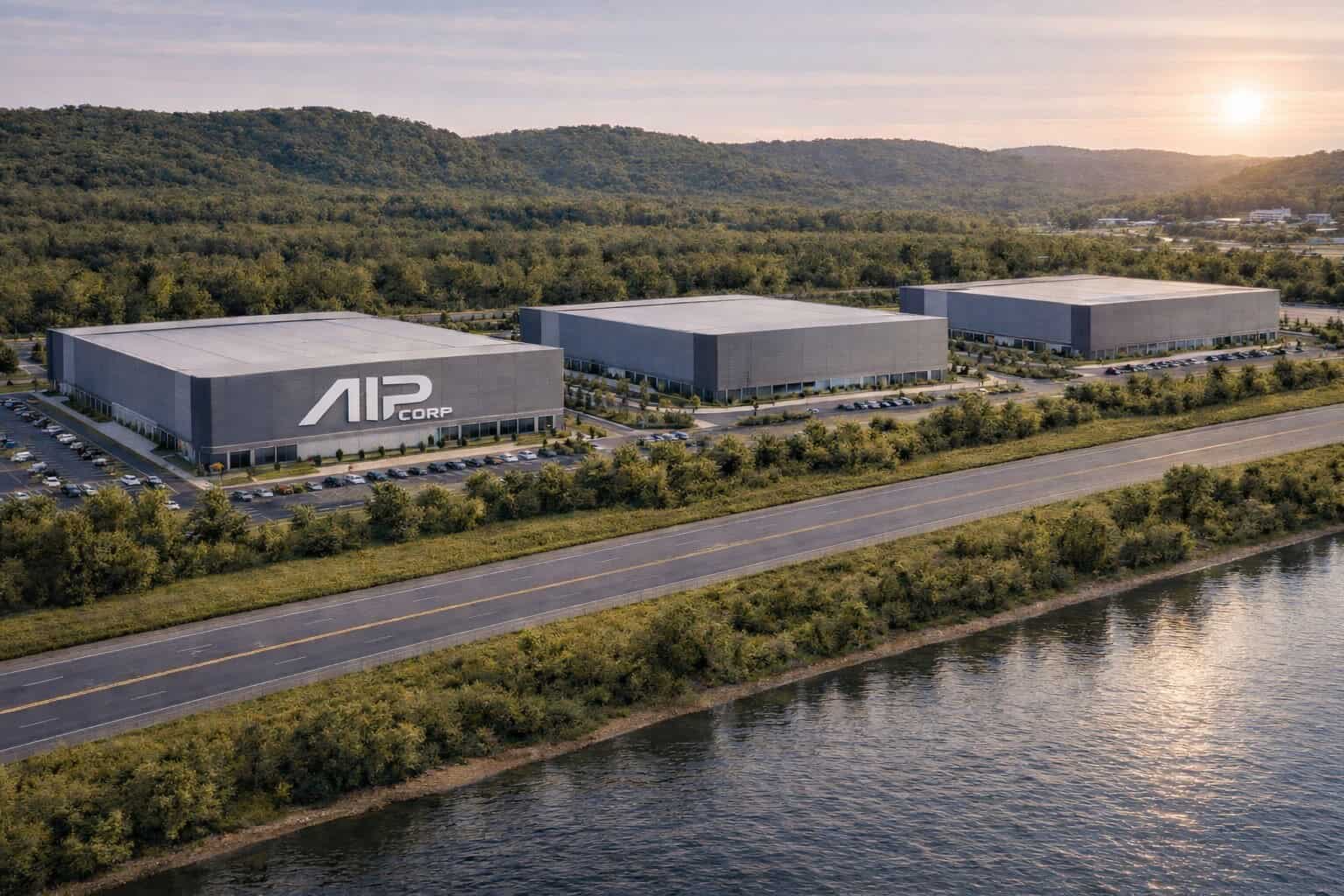
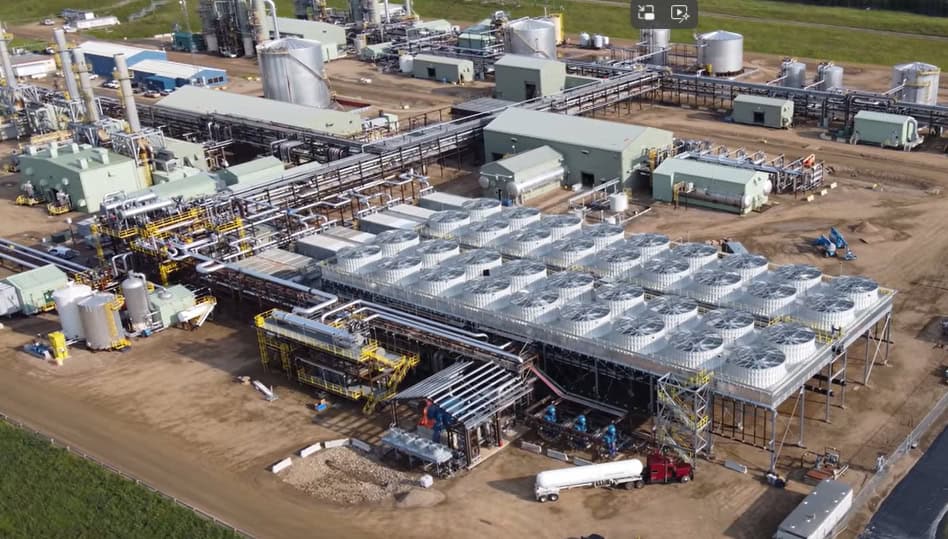
Homer City Gas-Fired Plant Hits 1,000 Workers on Construction Site
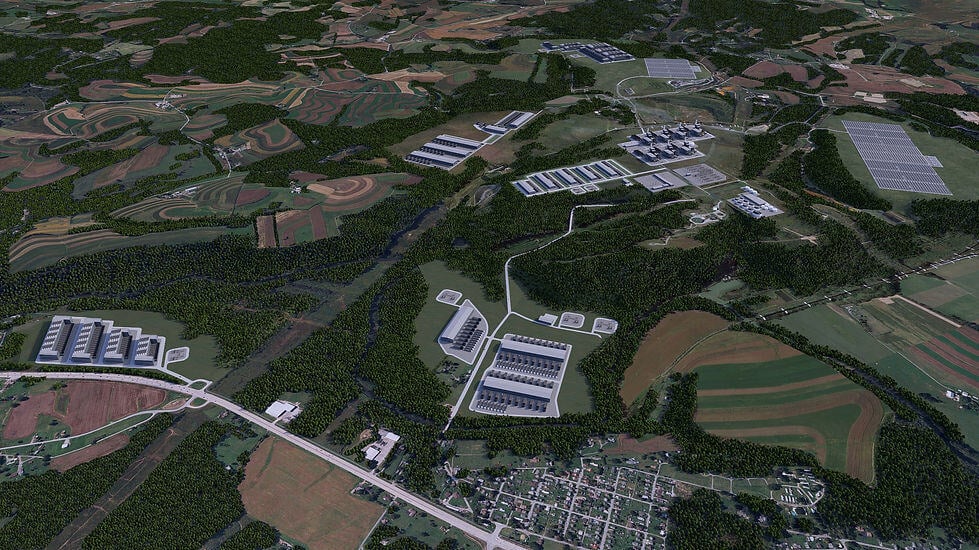
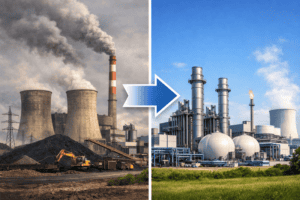
That didn’t take long! Construction has accelerated into overdrive at the former Homer City coal plant site, now transformed into a 3,200-acre energy and data center campus. The project just hit a milestone with 1,000 workers currently on-site. Demolition and grading are complete, allowing vertical construction to begin on a 4.4-gigawatt natural gas power plant slated for 2028. This $10 billion redevelopment, led by Knighthead Capital Management, aims to revitalize Indiana County by replacing aging infrastructure with modern energy solutions and future data centers. The project represents a massive economic shift, providing high-quality regional jobs and securing the community’s role in the future of American energy production. Read More “Homer City Gas-Fired Plant Hits 1,000 Workers on Construction Site”
 South Carolina regulators have approved Duke Energy’s proposal to build a 1.4-gigawatt (GW) natural gas-fired power plant in Anderson County, marking the utility’s first new generation project in the state in a decade. Scheduled for construction in 2027 and operational by 2031, the facility aims to address surging energy demands driven by population growth and economic expansion, though critics (falsely) attribute the need primarily to AI-driven data centers. Supported by Governor Henry McMaster under the S.C. Energy Security Act, the project is expected to generate an annual $84 million economic impact while ensuring long-term power reliability for the region.
  Last week, we told you that a supposed “group of rural Ohioans” in Adams and Brown counties was seeking a constitutional amendment to ban data centers exceeding 25 megawatts, citing concerns over resource consumption and a lack of local control (see
  Williams is addressing the surging energy needs of data centers by deploying modular natural gas-fired power units. In fact, the company has a 6-gigawatt (GW) project backlog by the early 2030s. Williams executive Jaclyn Presnal highlights that modularization provides essential “speed to power” and extreme reliability through built-in redundancy, outperforming traditional large-scale plants for phased projects. These initiatives incorporate batteries to manage AI-driven loads and leverage pipeline expansions, such as the Transco Power Express (see
 Hull Street Energy (HSE) has entered an agreement to acquire two peaking power plants from Rockland Capital, LP, significantly expanding its Milepost Power portfolio. The acquisition includes the 677-megawatt (MW) Lee County Generating Station in Illinois and the 586-MW Tait Electric Generating Station in Ohio. Both facilities operate within the PJM electricity market, providing essential fast-start resources and grid stability amidst tightening supply-demand dynamics. Upon closing later this year, HSE’s total generation capacity will reach nearly 5,000 MW, establishing it as one of the largest private power producers in the United States.
  Last April, Knighthead Capital Management, Homer City Redevelopment (HCR), and Kiewit Power Constructors Co. announced a plan to convert the former Homer City Generating Station, previously the largest coal-fired power plant in Pennsylvania (Indiana County, 50 miles east of Pittsburgh) into a more than 3,200-acre natural gas-powered data center campus, designed to meet the growing demand for artificial intelligence (AI) and high-performance computing (see
  Eastern Shore developer TeraWulf has reached a deal to acquire the retired Morgantown Generating Station in Charles County (on the Potomac River), proposing to transform the site into a massive natural gas-powered data center campus. The plan aims to generate one gigawatt (GW) of power and 500 megawatts of battery storage, bypassing the aging regional grid. While TeraWulf claims support from Governor Wes Moore’s administration, the project faces intense scrutiny from environmental groups and local residents concerned about fossil fuel emissions and transparency. Critics also question the financial stability of the cryptocurrency-focused firm, though company leadership maintains they have the expertise to remediate the site.
  Here’s a question: Do you want the government to be able to control your thermostat (turning it down in the winter, or up in the summer), controlling your water heater (making it cooler), or controlling your “smart” refrigerator (raising the ambient temp inside), or controlling other so-called smart appliances, bypassing *your* preferred settings? Would you like the government to be able to grab stored electricity from solar panels on your roof or from the battery in your charged-up EV during times of electric grid “stress”? That’s what Democrat members of the Pennsylvania state legislature want to do. It’s called a “virtual power plant,” and it’s being sold as a quick solution to power shortages without having to build new gas-fired power plants (or new windmills, solar farms, etc.). Creating a virtual power plant just takes a little software and a lot of apathy from citizens to make it work.
  The Energy Cooperative (TEC) has proposed a 24-mile-long, 24-inch natural gas pipeline across Licking County, Ohio, stretching from Bennington Township to the New Albany International Business Park. Estimated at $150 million, the project is designed to supply energy to a specific, unnamed data center, which will fully fund the construction. (We think we’ve identified the “unnamed” data center, which we’ll do below.) While TEC maintains the pipeline will enhance system reliability and stabilize pressure for its 58,000 members, the project faces scrutiny from local landowners. Concerns involve the potential use of eminent domain and the environmental impact on agricultural land.