WV Gov. Justice Does 180 – Says He’ll Sign Co-Tenancy Bill
 West Virginia Gov. Jim Justice has done a complete 180 degree turn around with respect to signing a co-tenancy bill. As we previously reported, the co-tenancy bill was passed first by the House, and then the Senate (see WV Co-Tenancy Bill Passes in Senate – Now Waits for Gov to Sign). However, on the way to final passage, Justice wanted to link co-tenancy with joint development, which would allow drillers who own existing (old) leases on adjoining properties to pool them into a unit without signing new shale leases with the owners. He threatened to veto a co-tenancy bill if there is no joint development bill too (see WV Gov. Justice Kills Co-Tenancy Bill by Linking it to Joint Dev). Justice got a lot of blowback, from everyone, and soon after his shoot-from-lip comments, he backed off his threat to veto. Yesterday Justice said he will sign the co-tenancy bill, that there are a lot of “positive benefits” to the legislation. What a turnaround!…
Read More “WV Gov. Justice Does 180 – Says He’ll Sign Co-Tenancy Bill”
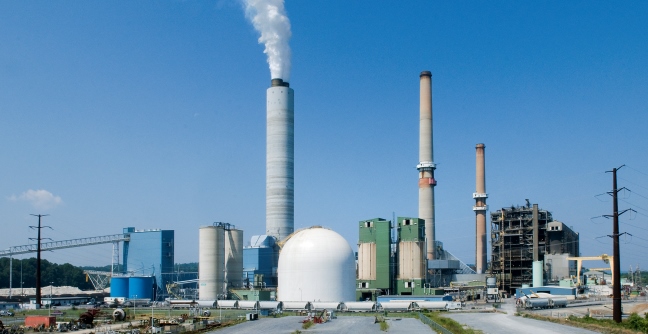
 We spoke too soon. In a story MDN published yesterday, we said that Big Green propagandist mouthpiece PBS StateImpact Pennsylvania was the only “news” outlet reporting on “yellow smoke” released as part of the commissioning process for the Lackawanna Energy Center, a Marcellus gas-fired electric plant being built near Scranton (see
  Anti fossil fuel nutters have been on a holy mission to stop a 3.5-mile, 8″ pipeline from being installed under the Potomac River since last summer (see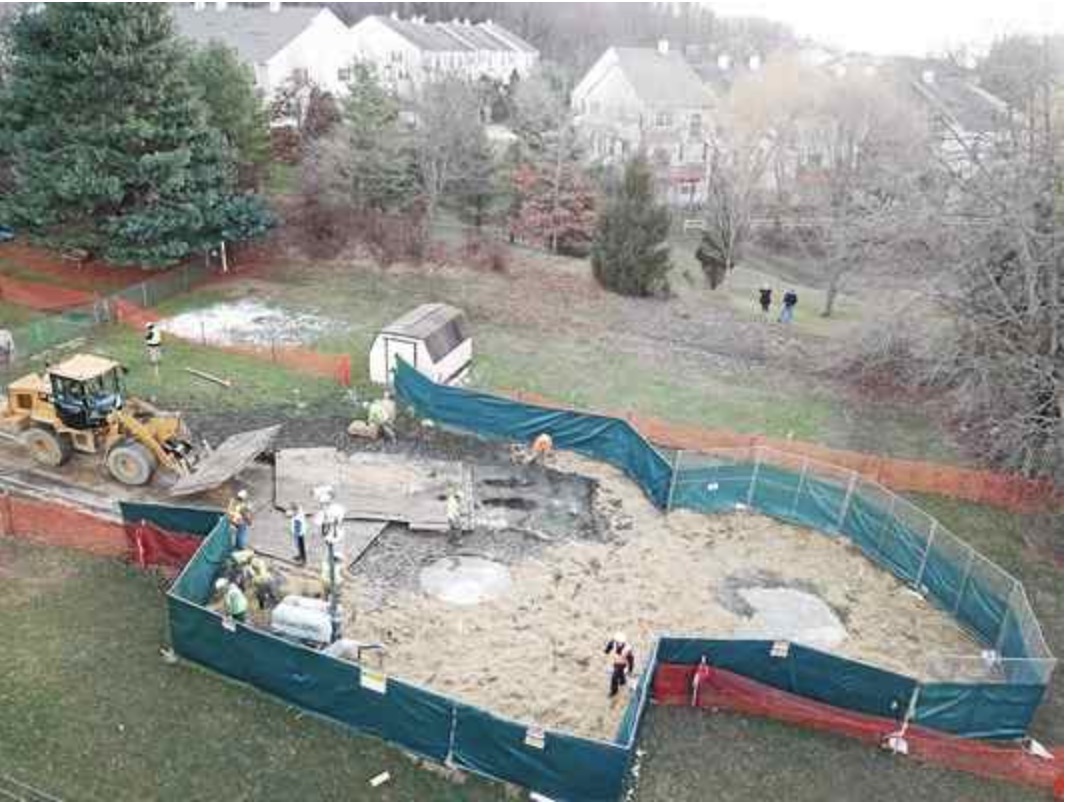
 On Feb. 15, XTO Energy was drilling a Utica Shale well on the Schnegg well pad near Captina Creek (York Township, Belmont County, OH) when they “lost control” of the well and it exploded and caught fire (see
  Last December MDN told you about the bastardization of our justice system. The New York University (NYU) School of Law is paying to hire radical (Democrat) attorneys to work inside the offices of the Attorneys General in 10 different states–Pennsylvania being the latest (see
  There’s a reason the U.S. Court of Appeals for the Ninth Circuit (in California) is often called the “Ninth Circus”–because of the clowns who pass for judges who sit on the bench for that court. Lawyers representing children (children we maintain they are mentally abusing), filed a lawsuit that aims to force the end of the use of all fossil fuels in the United States, in the name of so-called man-made global warming (see
  Last Friday a judge for the U.S. District Court for the Western District of Virginia granted Mountain Valley Pipeline (MVP) the right to enter and construct the pipeline on properties of landowners who have refused to negotiate a right-of-way across their land. There are nearly 300 landowners who have refused to deal with MVP–and their time is now up. Instead of getting a higher price for leasing their property, MVP will first build and later let a court determine how much money the landowners will receive. The courts almost always determine amounts lower than could have otherwise been negotiated between the landowner and the pipeline company. Oh well. Some folks have to learn the hard way…
 Sometimes radicals who have “jumped the shark” and descended into complete lunacy go up a tree–literally. We’ve spotted this mental condition before (see
  The Pennsylvania Dept. of Environmental Protection (DEP) needs fixing. That fact is acknowledged by everyone. The question (or rather disagreement) is in how to fix it. The DEP can’t seem to get its act together with respect to approving simple erosion permits. Turnaround from the time a permit is requested until it is supposed to be approved is, by DEP’s own statutory standards, 14 days. Last year it was taking over 250 days in some areas of the state (see
 Ohioans are wising up to the misleading information being pedaled by radical anti-fossil fuelers. MDN warned you last month that “Keep It In the Ground” activists have launched a new, deceptive campaign in their holy mission to end the use of fossil fuels–fake landowner coalitions (see