
Marcellus Gas Part of “Low Carbon” Research Project at Penn State
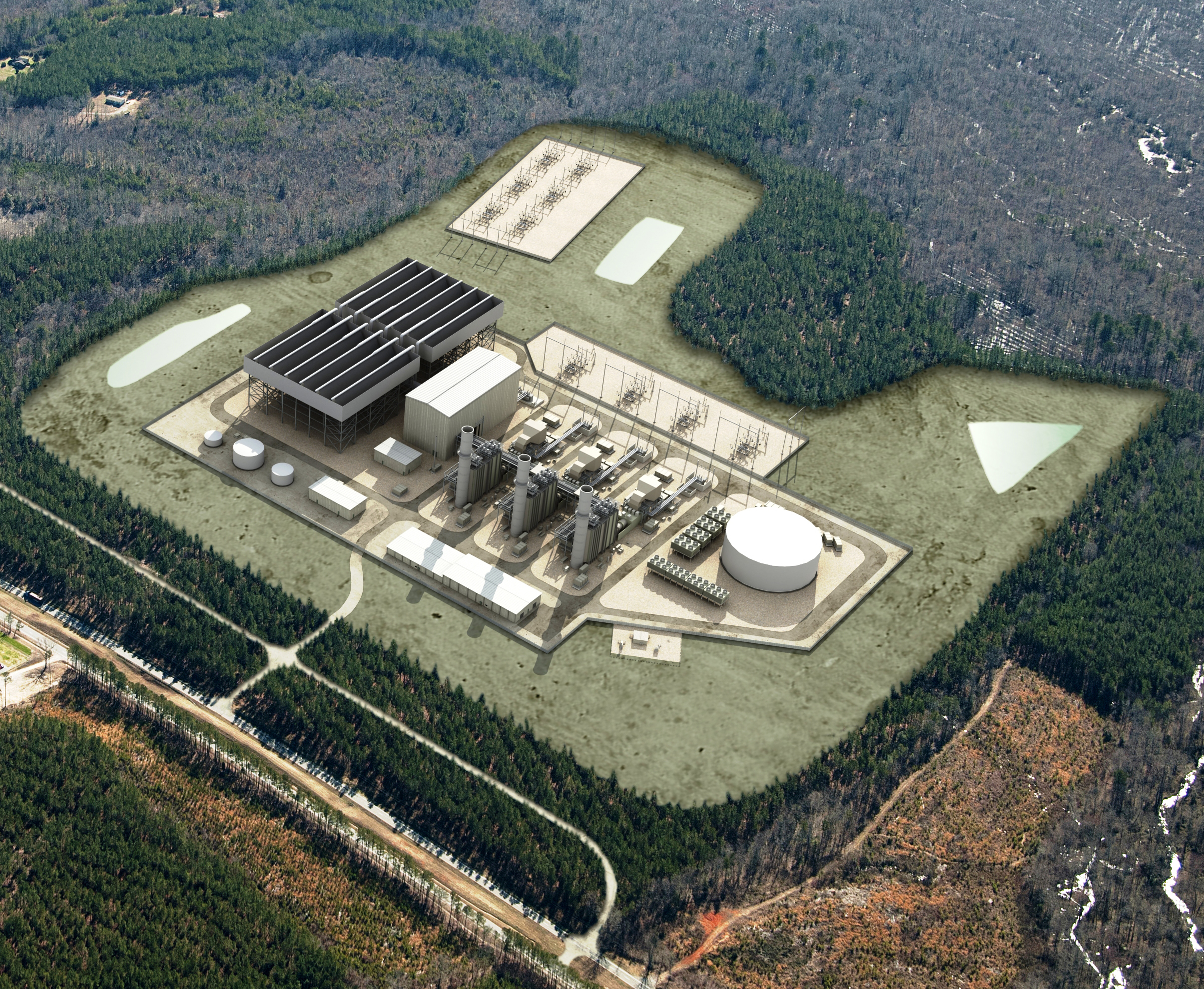
 The Pennsylvania Dept. of Environmental Protection is using an unspecified amount of grant money from the U.S. Department of Energy to fund a Penn State pilot project that combines a natural gas-fired electric plant with solar cell and battery energy storage systems in a hybrid system to power several office buildings, a sewage pump station and several Penn State training center facilities. The hope is to prove developing “microgrids” like this one can lead to a “low-carbon footprint.” Hey, at least they wised up and are using Marcellus natural gas (a hated fossil fuel) as part of their “low carbon” research. Here’s the details on the latest big money project, using taxpayer dollars, under way at Penn State…
Read More “Marcellus Gas Part of “Low Carbon” Research Project at Penn State”
 Our favorite government agency, the U.S. Energy Information Administration (EIA), yesterday released their annual report of proved oil and natural gas reserves in the United States for 2015. The report, titled “U.S. Crude Oil and Natural Gas Proved Reserves, Year-end 2015” (full copy embedded below) shows proved reserves for natural gas dropped by 64.5 trillion cubic feet (Tcf), or 16.6%. U.S. crude oil and lease condensate proved reserves also decreased–from 39.9 billion barrels to 35.2 billion barrels (down 11.8%). The drop in proved reserves for gas and oil comes after last year’s record high proved reserves (see
  Ever use the job site called
  We now know that it’s possible to bribe people who work for the federal Environmental Protection Agency. That is, big money donors DO have a say in how “science” is presented by the agency. The one great, huge, towering problem that anti-drillers have is that there is no scientific evidence that supports their wild claims that fracking contaminates water–which is their favorite lie to spread. When the Environmental Protection Agency arrived at the same conclusion–fracking doesn’t pollute water–after four years of studying it, that really took the wind out of the sails of rabid fossil fuel haters (see
  You may recall our story about the daughter of a Huntingdon County, PA landowner, radicalized by Big Green groups (as evidenced by her association with well known protesters previously arrested), who took to a tree on her mom’s property in order to illegally stop crews working on tree clearing for the Mariner East 2 pipeline (see
 Headquartered in Houston, Texas, Exterran Corporation (with 5,400 employees) specializes in natural gas compression production equipment and processing facilities. They design, build and operate compressor stations and natural gas processing plants. In 2012 MDN reported on a contract Exterran won to build three natural gas processing plants in West Virginia (see
  We’re sure you haven’t missed the news that President-Elect Donald Trump (we love saying those words!) has nominated current Exxon Mobil CEO Rex Tillerson (T-Rex for short) to become the next Secretary of State–and fourth in line to the presidency. Tillerson is a great pick, for many reasons. He’s been doing deals in some 50 countries across the planet, dealing with some nasty customers during that time. T-Rex knows how to get things done–and he knows how to be a diplomat. He deals from a position of strength, not of weakness as our current SecState (John Kerry) and previous SecState (Hillary Clinton) have done. T-Rex will command attention and respect across the planet. And he’s a oil guy to boot–how great is that! Equally great news is Trump’s pick to run the Dept. of Energy–former Texas Gov. Rick Perry. We’ve always liked Rick (we supported him over Romney in 2012). Perry was the longest-serving governor of Texas, the biggest oil producing state in the country. He knows oil and gas, and he knows how to lead. What a breath of fresh air! Here’s some background on Trumps two key picks who have deep o&g experience…
 It’s really kind of sad. Two washed-up, thoroughly discredited (indeed humiliated) Cornell professors who are on the payroll of Big Green organizations like the Park Foundation, Robert Howarth and Anthony Ingraffea, are still appearing in public to proclaim their junk science “study” from 2011 that says natural gas is worse for Mom Earth than burning coal (see
  Seventy Seven Energy (SSE) is the former Chesapeake Oilfield Operating company, the oilfield services subsidiary of Chesapeake Energy that Chessy spun out into its own company in July 2014 after it couldn’t find anyone to buy it (see
  Yesterday MDN’s favorite government agency, the U.S. Energy Information Administration (EIA), issued our favorite monthly report–the Drilling Productivity Report (DPR). The DPR is the EIA’s best guess, based on expert data crunchers, as to how much each of the U.S.’s seven major shale plays will produce for both oil and natural gas in the coming month. For the past two reports, estimating production for November and December, Marcellus natgas has increased. The trend continues in this latest report, which forecasts production for the coming month of January. The October report predicted Marcellus production would increase in November by 73 million cubic feet per day (MMcf/d). The November report predicted Marcellus production would increase in December by 130 MMcf/d. The current December report predicts Marcellus production will go up by another 160 MMcf/d in January. Yikes! Another trend observed: four of the seven shale plays will increase production in January, one (the Utica) will produce about the same in January, and only two will produce less gas in January than they did in December. Translation: shale gas production is once again on the rise–which breaks a five month record of month over month declines across all seven plays. It seems we’ve turned a corner…
 One of the many companies in the Marcellus industry targeted by Pennsylvania’s former Attorney General, Kathleen Kane, for extinction was Minuteman Environmental Services, a PA company that served the shale industry with several different businesses (see
  Extreme Plastics Plus (EPP) has been manufacturing and installing well pad liners since 2007. Pad liners protect the ground from accidental spills of frack wastewater and chemicals used during the drilling process. Located in Fairmont, WV, EPP’s customers are in the Marcellus and Utica Shale region. In order to expand, EPP raised an undisclosed amount of investment money from Hastings Equity Partners in 2013 (see
  When it comes to gas-to-liquids (GTL), MDN has observed (as we stated in a story yesterday, see