
Eco-Energy Buys 600-Mile Gas Gathering System in KY, TN & VA
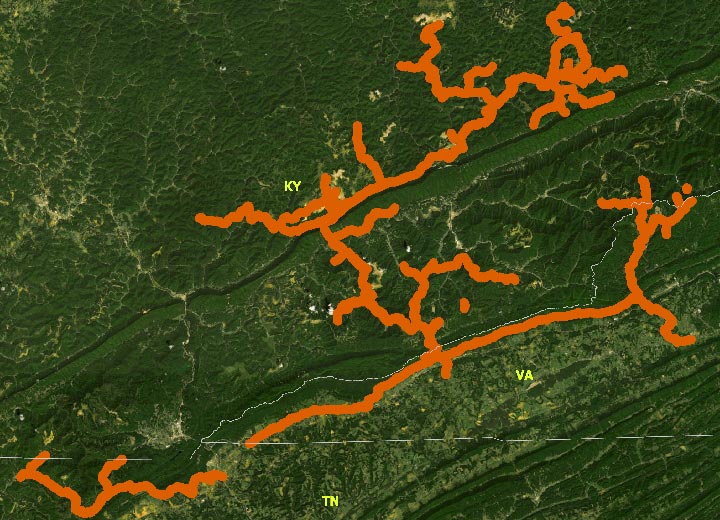
A company we hadn’t previous heard of (Eco-Energy) has purchased a large natural gas gathering pipeline system and processing plant in southern Appalachia that we also hadn’t heard of (Stone Mountain). What we had heard of is the contracted customer who uses the Stone Mountain Gathering System: Magnum Hunter Production (now part of Montage Resources). At first blush this appears to be a gathering system for conventional wells, but after digging, we’re not so sure.
Read More “Eco-Energy Buys 600-Mile Gas Gathering System in KY, TN & VA”
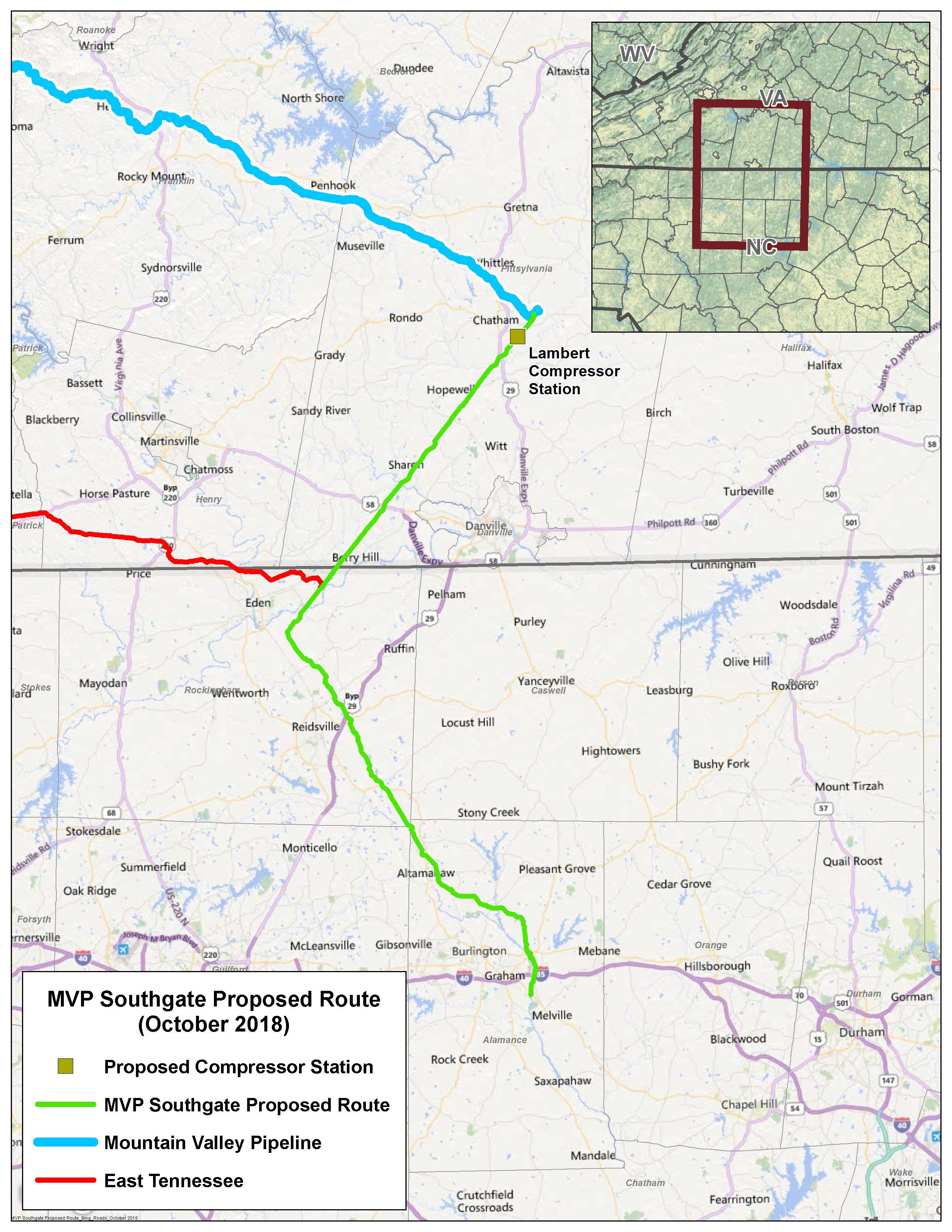

 What appears to be an organized, ongoing effort to stop legal construction activity for the Mountain Valley Pipeline (MVP) continues in both Virginia and West Virginia. Out-of-state (paid) protesters chain themselves to equipment and block roads in a “death by a thousand cuts” approach to prevent the completion of the 85% completed MVP project. Is it time to bring racketeering charges against the groups and people behind these activities? We think it is.
 In February 2017, Spire, a natural gas utility company based in St. Louis, Missouri, filed an official application with the Federal Energy Regulatory Commission (FERC) to build the Spire STL Pipeline, a 65-mile, 24-inch diameter pipe that will flow 400 million cubic feet (MMcf) per day of yummy Marcellus/Utica gas from the Rockies Express (REX) pipeline to St. Louis (see
  We have a bona fide mystery on our hands–a mystery that may signal a happy ending for the Williams Northeast Supply Enhancement (NESE) pipeline project getting approved. One of the first statements (threats) utility company National Grid made in relation to NESE is that if NESE, a Williams Transco Pipeline project meant to increase pipeline capacity and flows heading into northeastern markets, including to Long Island doesn’t happen, National Grid will not connect natural gas to a new $1.3 billion stadium complex on Long Island to host the New York Islanders hockey team (see
  Last week we brought you an update on outstanding litigation and the status for Dominion Energy’s 600-mile Atlantic Coast Pipeline project (see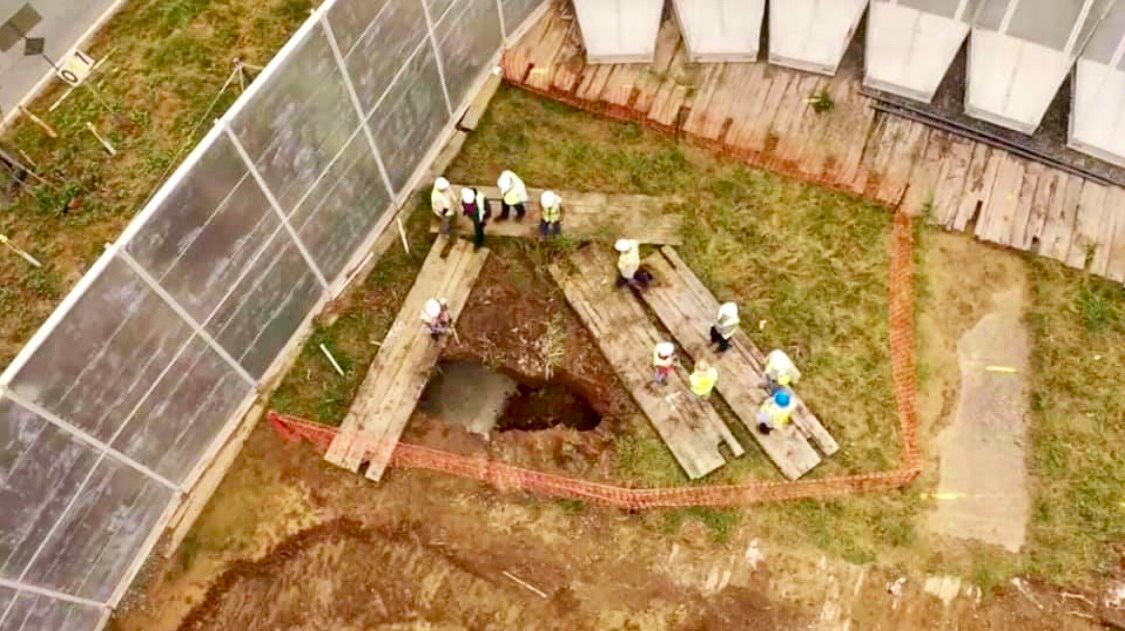

 Nice try, but no cigar for Plainfield Township in Northampton County. The Plainfield Board of Supervisors last week passed a new zoning ordinance that prevents pipelines (and cell phone towers, and solar farms, and wind mills, and and and) from being built near or under the 1.5 miles of the Appalachian Trail as it passes through their township. Thing is, when it comes to pipelines (like PennEast Pipeline) that are federally regulated, Plainfield can’t stop it. Their ordinance isn’t worth the paper it’s written on.
 Yesterday MDN brought you news of the U.S. Court of Appeals for the Third Circuit ruling that disallows PennEast Pipeline from using the delegated power of eminent domain to cross properties either owned by, or with easements granted to, the state of New Jersey (see
  What’s the status of Atlantic Coast Pipeline (ACP), a 600+ mile pipeline that will run from West Virginia through Virginia and into North Carolina? Only 35 miles of pipeline is currently built, and all construction, at the moment, is blocked by the U.S. Fourth District Court of Appeals. Almost all of the workers for the project (thousands of them) have been laid off. Big Green groups with deep pockets have harassed the project from the beginning by filing lawsuits, blocking construction. Yet Dominion Energy, the primary partner and builder of ACP, remains “confident” the pipeline will, eventually, get built. When?
 We recently spotted a column on the Forbes website by one of our favorite authors, Jude Clemente, under the title that “Gov. Cuomo Should Support The Constitution Natural Gas Pipeline.” Well, of course he should! We’ve argued that for years. In digging into the article, we found Clemente uses facts and figures to build his case for *why* Cuomo should support it–indeed, why it would be stark…raving…mad not to support it. For example, did you know that natural gas is the main source of energy in NY–double that of gasoline? Who knew?!
 In July rumors circulated that Energy Transfer is looking to sell its 33% ownership stake in Rover Pipeline, a project they worked so hard to build (see
  On Monday MDN told you that radical anti-fossil fuelers and the City of Oberlin, OH won a minor victory of sorts against the long-completed NEXUS Pipeline project (see
  Sunoco is performing “optimization work” at the Marcus Hook export terminal this month. Marcus Hook is where two (soon to be three) Mariner East Pipelines terminate, hauling NGLs (propane, ethane, butane) from western Pennsylvania and eastern Ohio all the way to the Philadelphia area. At Marcus Hook the NGLs get separated and most (not all, but most) get loaded onto ships for export to other countries. Sunoco needs to upgrade a few things to export even more. They’re shutting down Marcus Hook this month, and that’s a (temporary) problem for the main shipper sending NGLs to the facility–Range Resources.