
FERC Favorable Enviro Assessment for Southeast Pipe Expansion
 It’s always fun for us to discover a new pipeline project that has the potential to flow more Marcellus/Utica molecules to other markets—particularly the Southeast and Gulf Coast markets. Here is one such project that (until now) had escaped our notice. On Dec. 29, the Federal Energy Regulatory Commission (FERC) issued an Environmental Assessment (EA) for the Southeast Compression for Utility Reliability Expansion (SECURE) Project, a compressor-focused expansion project designed to enhance compression infrastructure across Mississippi and Louisiana for the Gulf South Pipeline Company. The project will expand the Gulf South Pipeline system to provide an extra 280,000 dekatherms per day (Dth/d) of firm natural gas transportation service (280 MMcf/d) to markets in the Southeast, including support for power generation customers. Read More “FERC Favorable Enviro Assessment for Southeast Pipe Expansion”
 Natural gas markets have experienced plenty of changes over the past few years. Some of those changes include rising associated gas production in the Permian, new pipeline and storage capacity, new LNG demand, and gyrations in prices. However, an RBN Energy blog article argues that all this was merely a prelude. RBN says the “main event” — a veritable transformation of gas markets, especially along the Gulf Coast — is about to begin. Buckle up! What’s coming? A doubling of LNG demand (to 32 Bcf/d!). Another 10 Bcf/d of new pipelines out of West Texas, plus at least 15 Bcf/d more along the coast. Production revivals in various shale plays. And don’t forget soaring demand for gas-fired power generation.
  In what we consider a misguided move, a Republican State Senator in South Carolina, Shane Massey (the SC Senate Majority Leader), has introduced a bill that would eliminate the use of eminent domain by pipeline companies. The move comes in response to concerns over a 71-mile Kinder Morgan pipeline that will flow Marcellus/Utica molecules to a planned 1,020-megawatt (MW) gas-fired power plant in the state’s Lowcountry, in Colleton County.
 A big announcement from the Trump Department of the Interior (DOI). Yesterday, the DOI announced an immediate pause on all large-scale offshore wind project leases currently under construction in the United States. There are five such projects along the East Coast, including one off the coast of New York State. The DOI said the decision stems from “national security risks” identified by the Department of War in classified reports, specifically concerning radar interference known as “clutter” caused by massive turbine blades. Trump previously negotiated a deal with NY Governor Kathy Hochul to allow two pipeline projects—the Northeast Supply Enhancement (NESE) project and the Constitution Pipeline—in return for building the offshore Empire Wind 1 project (see
  The Ohio Tax Commissioner is facing a lawsuit from Rover Pipeline over an aggressive property tax assessment that inflates the project’s market value. The dispute centers on the state treating $2.2 billion in weather-related construction overruns and an unrealistic “infinite lifespan” assumption as value-adding assets. Critics argue that this approach violates constitutional principles of fair market valuation, under which taxes should reflect what a willing buyer would pay rather than total development costs.
  On July 25, 2025, House Natural Resources Committee Chairman Bruce Westerman (R-AR) and Rep. Jared Golden (D-ME) introduced the Standardizing Permitting and Expediting Economic Development (SPEED) Act to streamline federal environmental reviews for energy and infrastructure projects, addressing delays blamed for hindering U.S. construction (see
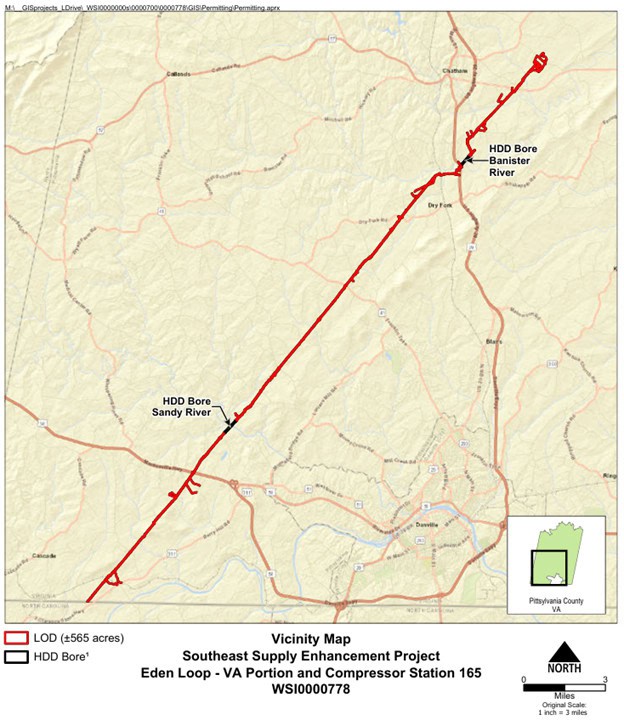
  In 2018, Equitrans Midstream, the builder of the 303-mile Mountain Valley Pipeline (MVP), proposed extending the MVP pipeline (after completion) by an additional 75 miles from the current terminus in Pittsylvania County, VA, to Alamance County, NC, to provide natural gas for heating and electric power generation. The 75-mile extension was called MVP Southgate. In December 2023, Equitrans announced it was significantly changing the project, cutting it by more than half and increasing the amount of gas flowing through it (see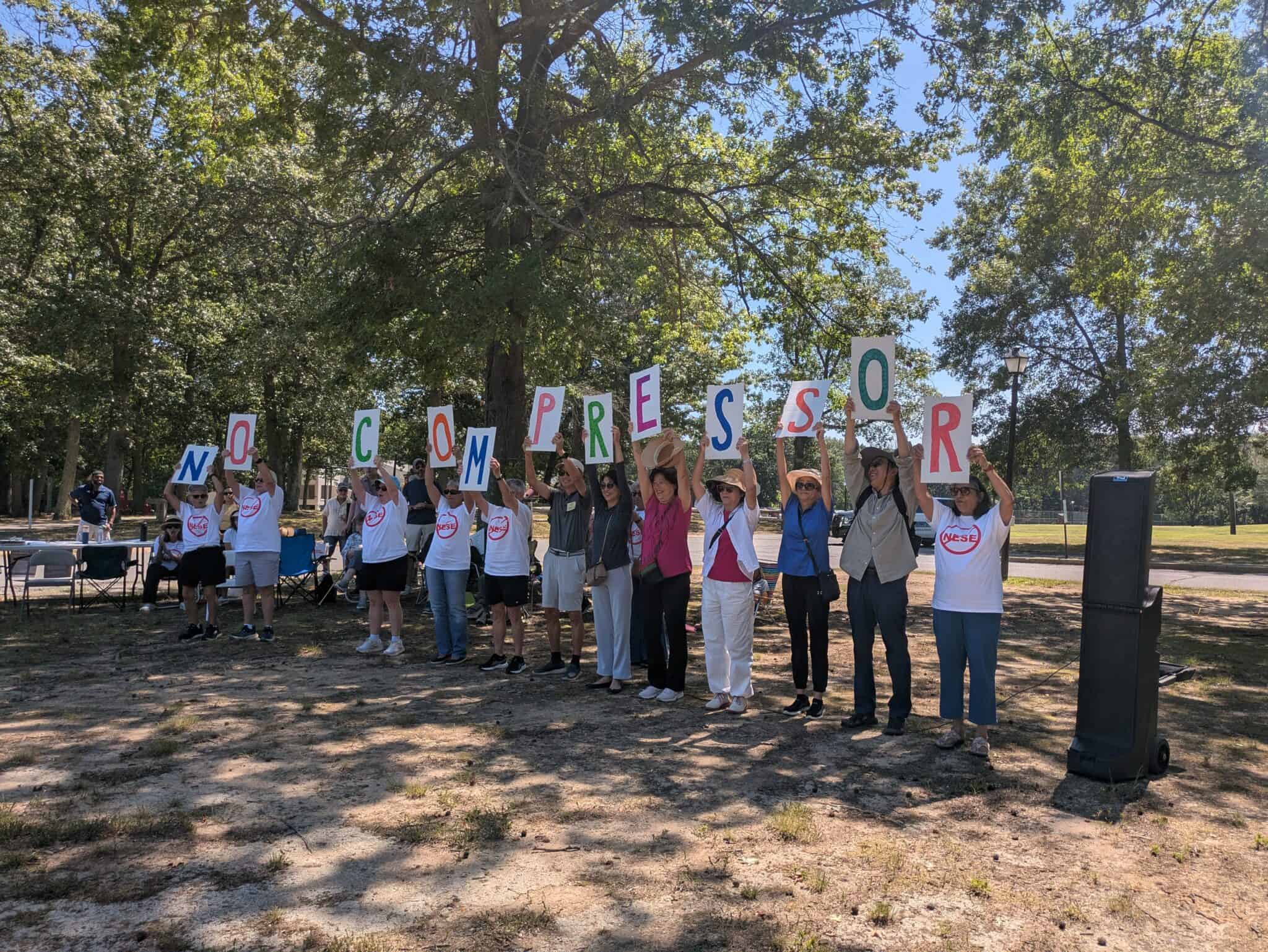
 In 2022, then-Massachusetts Attorney General (now Governor) Maura Healey bragged she had “stopped two gas pipelines from coming into this state” and that she opposes new natgas infrastructure in the state.
  In early September, MDN told you about the news that Enbridge had made a final investment decision (FID) for the Algonquin Reliable Affordable Resilient Enhancement (AGT Enhancement) project to flow an additional 75 million cubic feet per day (MMcf/d) of Marcellus/Utica molecules through the Algonquin Gas Transmission pipeline throughout New England and the northeast (see
  Pipelines in West Virginia (like most other states) pay property taxes. It’s a significant revenue generator for counties. There are many pipelines in Wetzel County, including three NGL pipelines owned and operated by MarkWest (aka MPLX) that connect to the Mobley Gas Plant. In 2022, MarkWest filed a tax return for the pipelines showing a 35% reduction in value due to less-than-forecasted pipeline usage, a concept called “economic obsolescence based on inutility.” The County Assessor for Wetzel County challenged MarkWest’s claim.
  Eastern Gas Transmission and Storage (EGTS), a wholly owned subsidiary of Berkshire Hathaway Energy Company (Warren Buffett’s company), filed a new project with the Federal Energy Regulatory Commission (FERC) in July (see