
Enbridge | Energy Services | Greene County (PA) | Industrywide Issues | Pennsylvania | Pipelines | Regulation
TETCO Pipe Gets OK to Elevate, Replace 5.3 Miles in Greene County
 The Texas Eastern Transmission Pipeline (TETCO), operated by Enbridge, is a major 8,580-mile interstate natural gas system connecting Gulf Coast/Texas supplies to the Northeast US. Originally designed for northbound flow, it now heavily supports bidirectional, southbound, and regional supply, including Marcellus/Utica gas. A short 5.3-mile section of TETCO (actually four separate pipelines that make up TETCO) running through Greene County, PA, needs a fix to protect it from coal mining activities set to begin directly underneath the pipeline in that area. Read More “TETCO Pipe Gets OK to Elevate, Replace 5.3 Miles in Greene County”
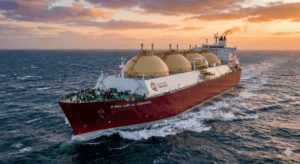 A recent article by David Blackmon (writing for Forbes) argues that critics unfairly blame rising U.S. liquefied natural gas (LNG) exports for high domestic energy costs. While narratives suggest exports drain supply and spike prices, Blackmon highlights data showing that inflation-adjusted natural gas prices have trended lower or remained stable as the LNG industry has grown. He attributes regional price hikes not to exports but to infrastructure roadblocks (a lack of pipelines) in specific states. Furthermore, he contends that gas price volatility is a long-standing market characteristic unrelated to LNG.
  Energy Transfer LP (ET) owns and operates one of the largest and most diversified portfolios of energy assets in the U.S., with approximately 140,000 miles of pipeline and associated energy infrastructure. ET’s strategic network spans 44 states, with assets in all major U.S. production basins, including the Marcellus/Utica. The company issued its fourth quarter 2025 update yesterday. Based on the 4Q earnings call transcript and presentation, ET continues to view the M-U (Appalachian) region as a “great business” and remains the “dominating player” in natural gas liquids (NGL) in the M-U (and nationwide).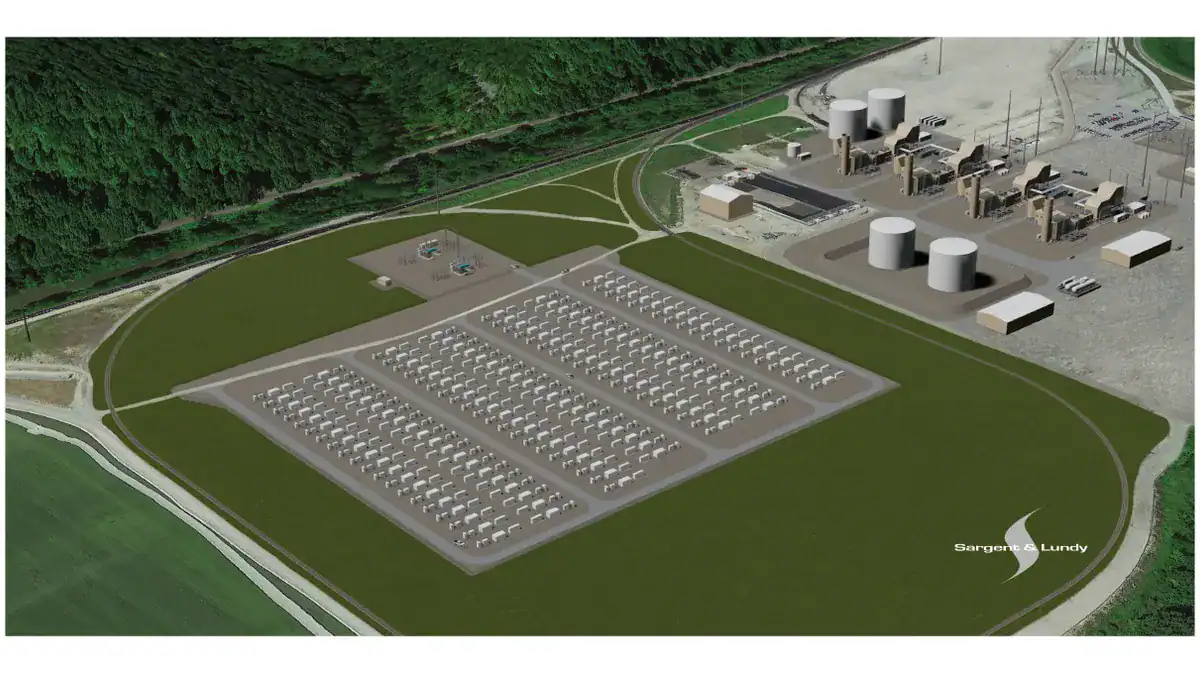
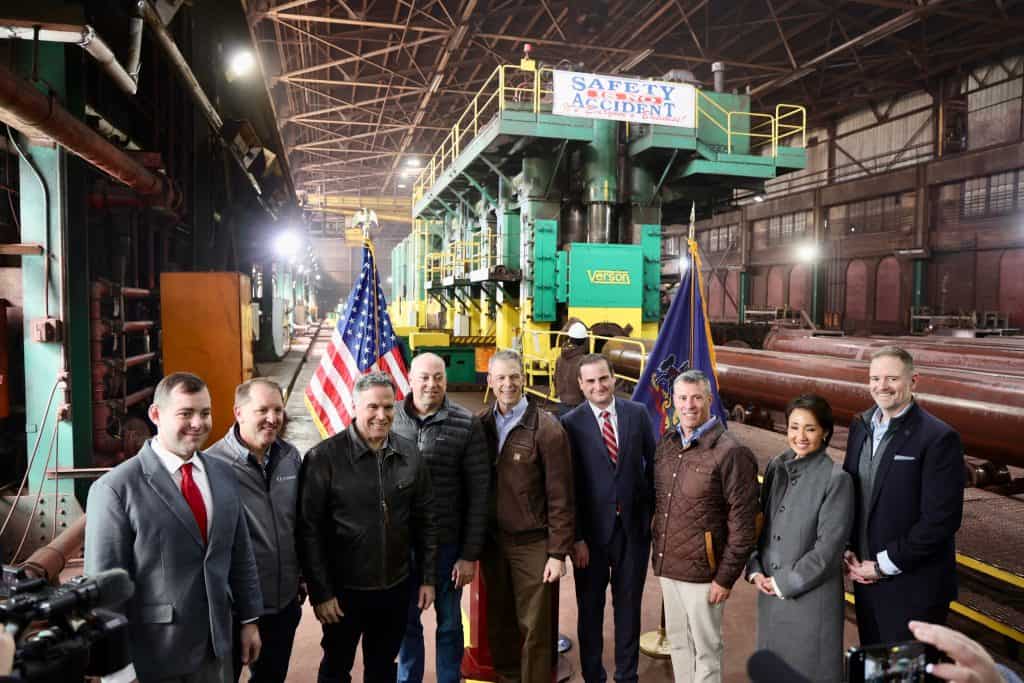
 TC Energy (formerly TransCanada) is a major North American energy infrastructure company based in Calgary, Alberta, specializing in natural gas pipelines, power generation, and storage. The company transports over 30% of the daily natural gas consumed in Canada, the U.S., and Mexico. The company owns major assets in the Marcellus/Utica, including Columbia Gas Transmission and the Millennium Pipeline. The company issued its fourth quarter and full-year update for 2025 last week. Based on the company’s earnings call and associated reports, there is a significant focus on leveraging existing infrastructure to move M-U gas to growing demand centers, particularly in the U.S. Midwest and Mid-Atlantic regions.
  Pipeline giant Williams issued its fourth quarter and full-year 2025 update last week. The company forecasts 2026 profits exceeding analysts’ expectations, driven by surging natural gas demand from AI data centers and crypto mining. Williams is aggressively expanding its footprint, with 7.1 Bcf/d of pipeline projects currently underway and new gas-fired power plants such as the $1.3 billion “Socrates the Younger” project. The company plans to invest up to $6.7 billion in 2026 capital spending to capitalize on the sustained, long-term need for gas infrastructure and power growth.
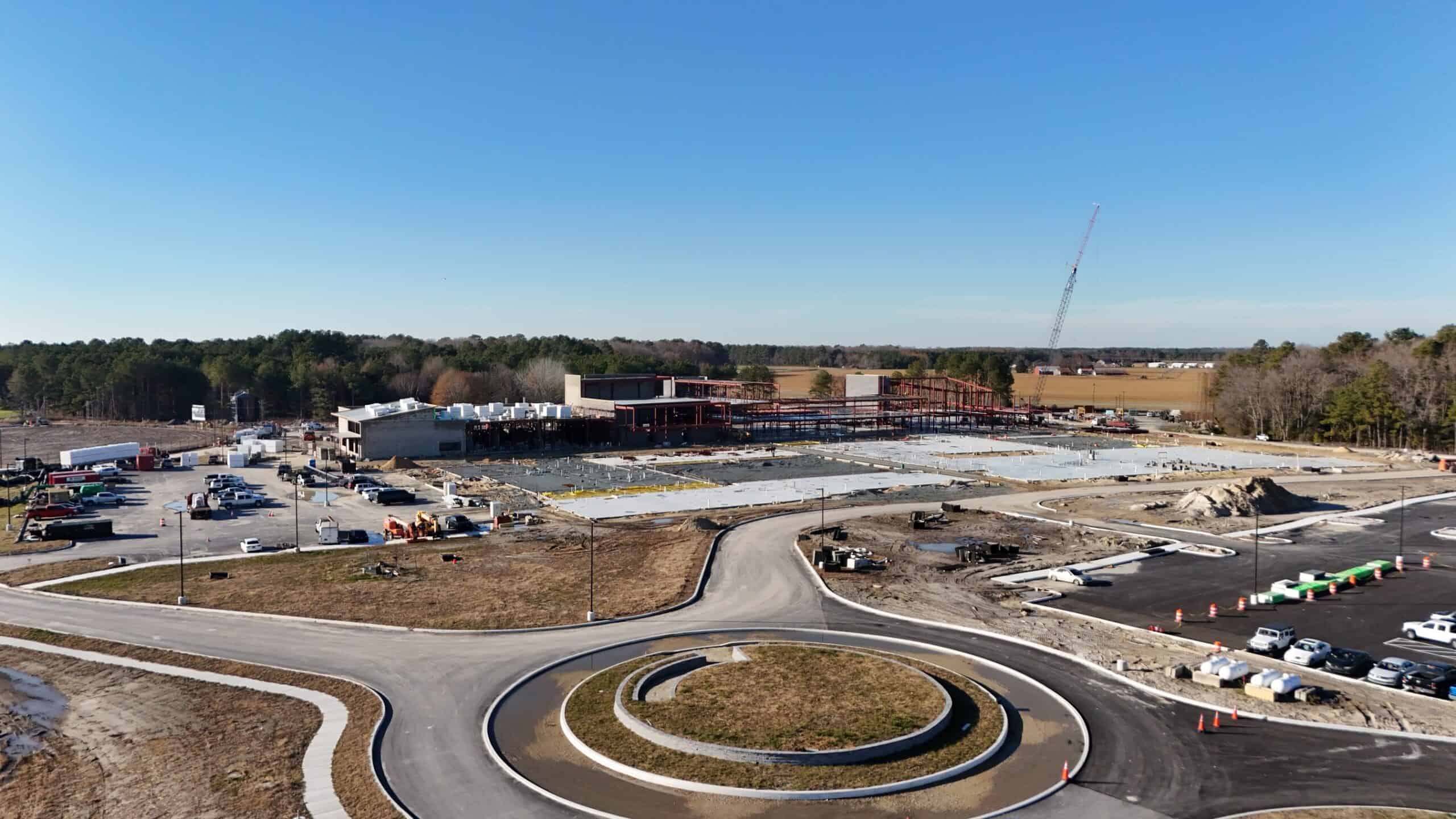
 About six years ago, Dominion Energy announced the River Neck to Kingsburg project, a short 15-mile 16-inch natural gas transmission main line that would run in an existing right-of-way alongside another pipeline along Old River Road near Pamplico in Florence County, SC. It was supposed to be built and flowing in 2022. Dominion still hasn’t built a square inch, thanks to the lawfare launched by the anti-fossil fuelers of the Blue Ridge Environmental Defense League. Earlier this month, we told you that the South Carolina Supreme Court finally cleared the last legal roadblocks (see
  Despite record-breaking domestic production, U.S. manufacturers increasingly face gas shortages and price spikes during extreme weather. While the shale boom promised cheap energy, insufficient pipeline infrastructure prioritizes residential heating, power plants, and long-term export contracts over industrial users. This disparity forced companies like Evonik and International Paper to halt production or pay exorbitant spot prices during recent winter storms. Consequently, manufacturing trade groups are urging federal regulators to reform pipeline contracting and prioritize domestic supply over exports.
 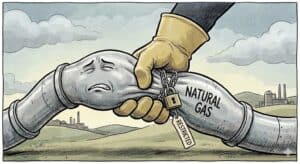 We’ve recently begun actively tracking flow restrictions on pipelines that carry Marcellus/Utica molecules. Current pipeline flow data for February 2026 show that the Marcellus/Utica (M-U) region is experiencing significant, albeit weather-driven, volatility. While the basin remains a production powerhouse, a combination of recent Arctic weather and localized maintenance has triggered several flow restrictions, including a restriction along the Tennessee Gas Pipeline.
  The Pennsylvania Department of Environmental Protection (DEP) is seeking public comment on an Individual Stormwater Permit for a 5.8-mile natural gas pipeline in Indiana County. Serving the proposed Homer City Generation LP 4.5 GW power plant and data center, the 30-inch pipeline will traverse Black Lick, Burrell, and Center Townships, involving several stream and wetland crossings. Interested parties have 30 days to submit comments to the DEP’s Northwest Regional Office. While no public hearing is currently scheduled, one may be requested. Additional project details and permit applications are available for review through the DEP’s regional office and website.
  Residents in Brookfield, Connecticut, are leading a “bipartisan” campaign to block a $272 million expansion of the Iroquois Gas Transmission System, despite national efforts to boost fossil fuel infrastructure. The project would add two compressors to an existing station, primarily increasing gas flow to New York markets. Local officials and residents, including some Republicans, cite health and safety risks due to the facility’s proximity to homes and Whisconier Middle School. Although the project has tentative state support, opponents argue that environmental impacts and explosion risks outweigh regional energy benefits, particularly since Brookfield receives no direct supply increase from the expansion.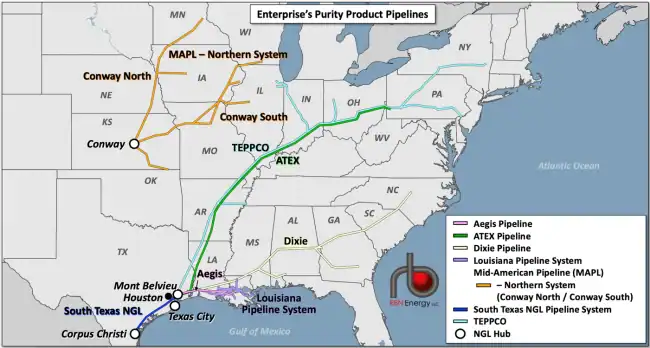
 Two pipeline kingpins are engaged in a deathmatch with the Federal Energy Regulatory Commission (FERC) to get their competing pipeline projects approved. One is Williams’ Transco Southeast Supply Enhancement Project (SESE), the other is EQT’s MVP Southgate project (see