
EPA Shale Wastewater Rule Will Crush PA’s Conventional Drillers
 In June MDN reported on yet another new unlegislated law (called a “rule”) issued by the rogue federal Environmental Protection Agency (EPA) that bans the disposal of wastewater from oil and gas drilling via public wastewater/sewage treatment plants (see EPA Bans Disposal of Frack Wastewater at Public Sewer Plants). The rule is meant to ban wastewater coming from unconventional (shale) wells, and not conventionally drilled oil and gas wells, which are shallow wells compared to shale wells. However, conventional drillers in Pennsylvania are raising the alarm that the way the rule is written, it will prevent them from disposing their shallow (and much lower volumes of) wastewater by carting it to the local sewage treatment plant–as many of them do now. The upshot is that the EPA needs to revise its rule…
Read More “EPA Shale Wastewater Rule Will Crush PA’s Conventional Drillers”
 Recently a group of 12 Pennsylvania state representatives held a hearing in Armstrong County, PA on the topic of separate regulations for PA’s small conventional vs large shale drillers. You may recall that new drilling rules from the state Dept. of Environmental Protection (DEP) have been approved for shale drillers, called Article 78a, but not for conventional drillers, called Article 78 (see
  PDC Energy, a driller in the Wattenberg Field in Colorado and the Utica in Ohio, paused their Utica drilling program in 2015 (see
  Duke University, as MDN has chronicled, has a long history of pumping out faux research that bashes fracking and fossil fuels, “research” that’s bought-and-paid-for by the Park Foundation, one of Duke’s major contributors (see
  The “best of the rest” – stories that caught MDN’s eye that you may be interested in reading. In today’s lineup: The amazing Marcellus (& Permian); Cuomo’s crony solar project going down; rig count in PA highest since March; DEP appoints new regional director for NWPA; Duke-Piedmont deal almost done; natural gas recovery; fight ISIS by fracking; o&g states struggle with taxes during downturn; and more!
 Last week MDN reported that Dennis Davin, Secretary of the Pennsylvania Department of Community and Economic Development (DCED) had gone on a roadshow to three counties that will be most affected by Shell’s ethane cracker plant planned for Beaver County (see
  The Donald is coming to Steel City to talk to frackers. Last Friday the Marcellus Shale Coalition, organizers and operators of the top notch Shale Insight conference and trade show held each year, announced that they had extended an invitation to both Donald Trump and Hillary Clinton to speak at this year’s event being held in Pittsburgh on September 21 & 22. The Donald said “yes” and Hillary said “no.” The Donald supports fossil fuels and their safe extraction and what they can do for America’s energy security. Hillary doesn’t. Need we say more? Oh, one more thing: MDN is happy to announce we will have a booth at this year’s Shale Insight. More on that in future posts. For now, here’s the exciting news that The Donald will address attendees at Shale Insight in less than a month…
 One of NGI’s (Natural Gas Intelligence) ace reporters, Jamison Cocklin, wrote a top notch news/analysis article last Friday in NGI’s Shale Daily publication about the “crucial priority” of new gathering pipelines and pipeline infrastructure in general that’s needed in the Utica Shale. Jamison made the observation that while not every operator in Ohio’s Utica Shale has shifted from focusing on wet gas extraction (concentrating on wells that extract not only methane but also natural gas liquids) to dry gas (or methane only), some of the biggies have. A change in focus doesn’t mean a change in geography. The change in focus from wet to dry is happening in core wet gas counties, including Monroe, Belmont and Jefferson…
 In June MDN told you about an economic development group of business and government leaders from Ohio and West Virginia (the Mid-Ohio Valley) called Shale Crescent (see
  Last week MDN told you that ratings agency Fitch Ratings had issued a “Loans of Concern” report, which is a report on loans the agency believes companies will soon default on. One of the names in the list stood out to MDN: American Energy-Marcellus (see
 Once upon a time, before Energy Transfer Equity (ETE) made an indecent proposal to Williams to buy them out (see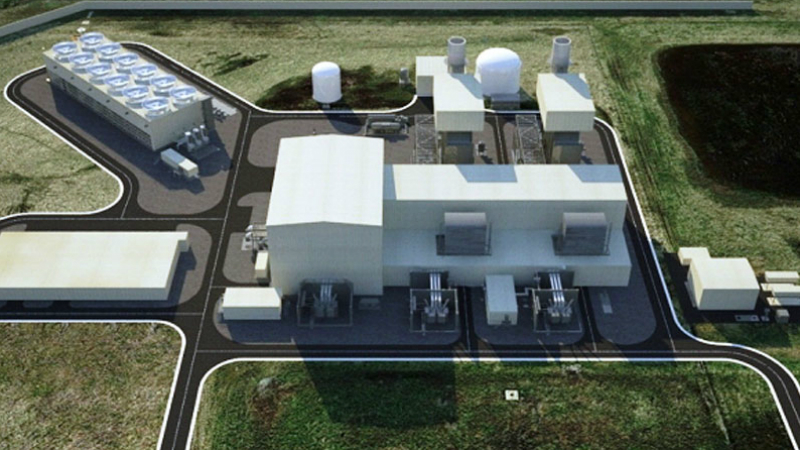
 Chemists at the University of Texas at Arlington published a new study last week that indicates certain activities on top of the ground at shale drilling sites are the cause of nasty emissions–and not the fracking process itself. The study, “Point source attribution of ambient contamination events near unconventional oil and gas development” published last week in Science of the Total Environment, found “highly variable levels of ambient BTEX, or benzene, toluene, ethyl benzene, and xylene compounds, in and around fracking gas drilling sites in the Eagle Ford shale region in South Texas.” BTEX compounds are nasty, and in high concentrations can be carcinogenic (cancer causing) and have harmful effects on the nervous system. The good news is that recognizing where BTEX emissions are coming from can lead to fixes. Nobody, the industry included, wants to harm workers or nearby residents’ health. We reckon this study under the category of “real science” that leads to industry improvements…
 Events related to drilling in the Marcellus and Utica Shale, primarily pro-drilling.