
FERC OKs Kinder Morgan Elba Island LNG Train #1 to Begin Service
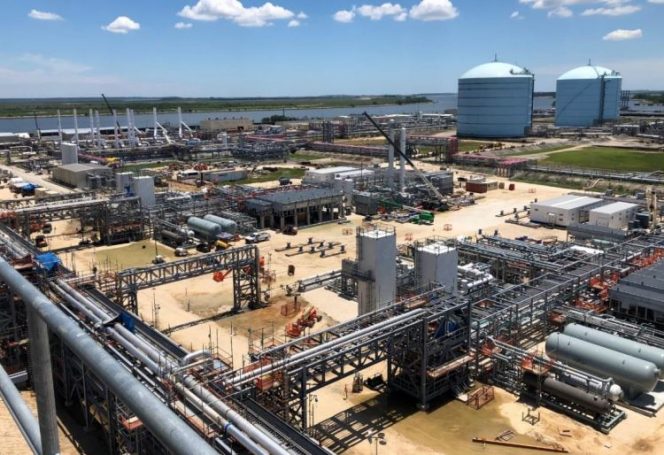
Hallelujah! On Monday the Federal Energy Regulatory Commission (FERC) granted permission to Kinder Morgan to *finally* begin full export operations for Train #1 at the Elba Island, Georgia LNG (liquefied natural gas) export facility. It has been a loooooong time coming. FERC first approved KM’s request to build the facility back in 2016 (see KM’s Elba Island LNG Export Plant Approved by FERC). Since that time there have been a number of “we’re almost ready to start” string of broken promises. FERC has just authorized the first of 10 trains at Elba Island. The other trains should now come online in fairly rapid succession.
Read More “FERC OKs Kinder Morgan Elba Island LNG Train #1 to Begin Service”

 On Monday MDN brought you the news that NextEra Energy, largely a renewables company, has made the bold move of buying 39% of the Central Penn Line, otherwise known as Williams’ Atlantic Sunrise Pipeline project (see
  In September 2018, the 1,050-megawatt Moxie Freedom Marcellus-fired power plant located near Wilkes-Barre, PA (Luzerne County) went online, feeding the electricity it produces into the local power grid (see
  Our friends at RBN Energy launched a new mini-series of blog posts delving into Marcellus/Utica gas processing and fractionation back in August. The first post in the series dealt with an overview of processing and fractionation in the wet gas region–meaning southwest PA, eastern OH, and the northern panhandle of WV (see
 IHS Markit, a global analytics company that tracks data in the oil and gas industry, recently published a new report titled “IHS Markit Conventional Exploration Results in Early 2018 Through 2019: No Rebound in Activity or Results.” Although we don’t have a copy of the full report, we do have IHS Markit’s excellent summary of the report. Here’s how we summarize their summary: Conventional (vertical only) drilling for oil and gas is pretty much dead and will remain dead–and shale killed it.
 A group of Ohio landowners sued Chesapeake Energy in 2015 in a class action, alleging that Chesapeake had shorted them on royalty payments (see
  Our good friend Charlie Schliebs, managing director of
  Two very important (perhaps we should say critically important) cases now sit before the U.S. Supreme Court–cases that have a direct bearing on the Marcellus/Utica region. Both cases deal with pipelines. The first case we’ve written about before: Dominion Energy’s Atlantic Coast Pipeline case to overturn a nutty decision by the U.S. Court of Appeals for the Fourth Circuit that judicially creates a new law that pipelines can’t cross under the Appalachian Trail without (no kidding) an Act of Congress. The other case involves the Hoopa Valley Indian Tribe in California–a case that has profound implications for the Constitution Pipeline from Pennsylvania into New York.
 It’s time for the oil and gas industry (i.e. fossil fuels) to begin fighting for our right to exist. Irrational fossil fuel haters like Bernie Sanders and Elizabeth Warren utter the most outrageous lies and pledge to ban fracking nationwide. It’s now time to go on offense–to respond and set the record straight. It’s time to tell the truth about fossil fuels and the vital role they play now, and will play for years to come. A newly-formed group called The Empowerment Alliance (TEA) is doing just that.

 Last week MDN published a post from the U.S. Energy Information Administration (based on EIA data) that points out worldwide energy use over the next 30 years will increase another 50%, and most of it will still be provided by (yep), fossil fuels (see