
WV Supreme Court to Rehear EQT Post Production Royalty Case, Maybe
 More twists and turns to report with respect to an issue we previously reported with the potential to impact every mineral rights owner and driller in West Virginia. In December MDN reported on the huge West Virginia Supreme Court decision against driller EQT that disallows EQT from deducting post-production expenses from royalty checks, even with signed contracts in place (see WV Supreme Court Rules EQT Can’t Deduct P-P Costs from Royalties). The justices, in their ruling, said that drillers can “not deduct from that (royalty) amount any expenses that have been incurred in gathering, transporting or treating the oil or gas after it has been initially extracted, any sums attributable to a loss or beneficial use of volume beyond that initially measured or any other costs that may be characterized as post-production.” A really big deal. Then in February, with a brand new justice on the bench, the WV Supreme Court agreed to rehear the case after an appeal filed by EQT–a rare and unusual step (see EQT Catches Big Break in WV Supreme Court re Royalty Deductions). A member of the West Virginians for Property Rights group said members are “pretty nervous about this.” Those who already won the case say the high court’s decision to rehear is tantamount to playing the fourth quarter of a playoff game all over again–fundamentally unfair. The court will rehear the case next Tuesday–IF they don’t grant a motion to dismiss the rehearing. The mineral rights owners involved filed the motion saying the newest justice who just came on the bench in January should not have voted to rehear a case she previously didn’t hear…
Read More “WV Supreme Court to Rehear EQT Post Production Royalty Case, Maybe”
 The New Jersey Department of Environmental Protection (NJDEP) has temporarily rejected PennEast Pipeline’s Freshwater Wetlands Individual Permit and Water Quality Certificate application, submitted April 6. NJDEP said in their response that PennEast has not provided enough detail about the project–leaving out key pieces of information for two-thirds of the pipeline’s 37-mile trek through NJ. NJDEP says they want the application refiled within 30 days, and if PennEast doesn’t give them what they want within 60 days, the DEP will consider the application “withdrawn.” The news from NJ comes on the heels of the U.S. Army Corps of Engineers also telling PennEast they need more information too. Radicalized antis are rejoicing and their mouthpieces in mainstream media are painting this as a grim development for PennEast–perhaps the death rattle has begun. PennEast, on the other hand, is treating the news as a minor bump in the road–the application has just a “few outstanding items” that PennEast needs to track down and provide to the DEP, and then all will be just fine. We suppose the next 30-60 days will tell the tale…
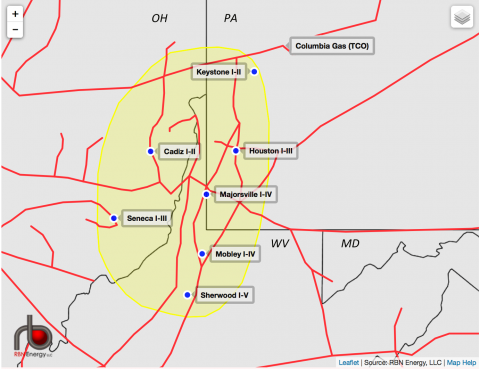
 On Feb. 3, the Federal Energy Regulatory Commission (FERC) gave its final approval to Energy Transfer’s Rover Pipeline project–a $3.7 billion, 711-mile Marcellus/Utica natural gas pipeline that will run from PA, WV and eastern OH through OH into Michigan and eventually into Canada (see


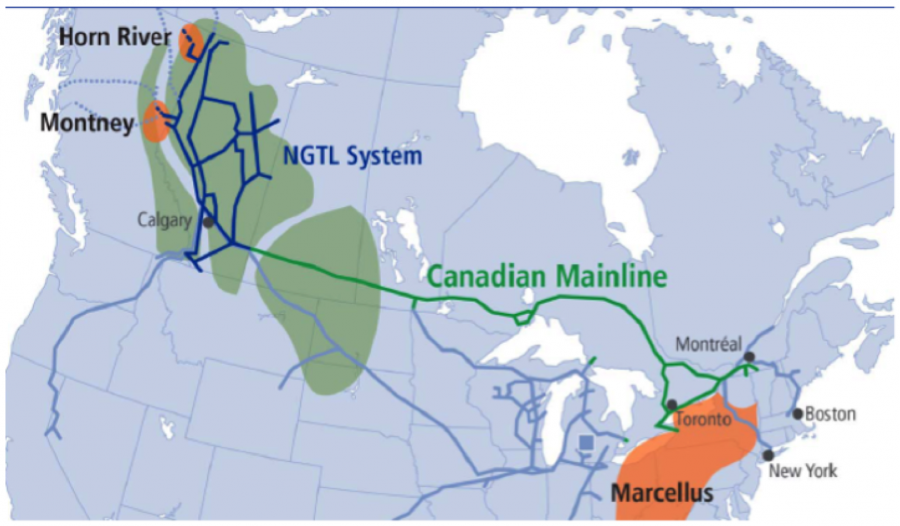
 MDN is excited to partner with NGI to present a VERY important webinar on Thursday, May 4th: “
 As previously reported, liberal Pennsylvania House of Representatives Democrat Pam Synder has now introduced a bill (HB 1283, copy below) to “clear up” what the state Public Utility Commission (PUC) is a loophole in the Act 13 law that may allow some drillers to avoid paying impact fees (i.e. drilling taxes) on some Marcellus Shale wells (see
 The Pennsylvania Dept. of Environmental Protection has just fined driller Seneca Resources $325,000 for a series of violations that occurred between 2013 and 2015. It seems in moving dirt around when building drill pads, Seneca caused erosion to occur. They also spilled ~100 barrels of crude oil in one location, and ~500 barrels of wastewater at another location. The violations happened in Forest, McKean, and Elk Counties. Here’s the notice issued by the PA DEP…
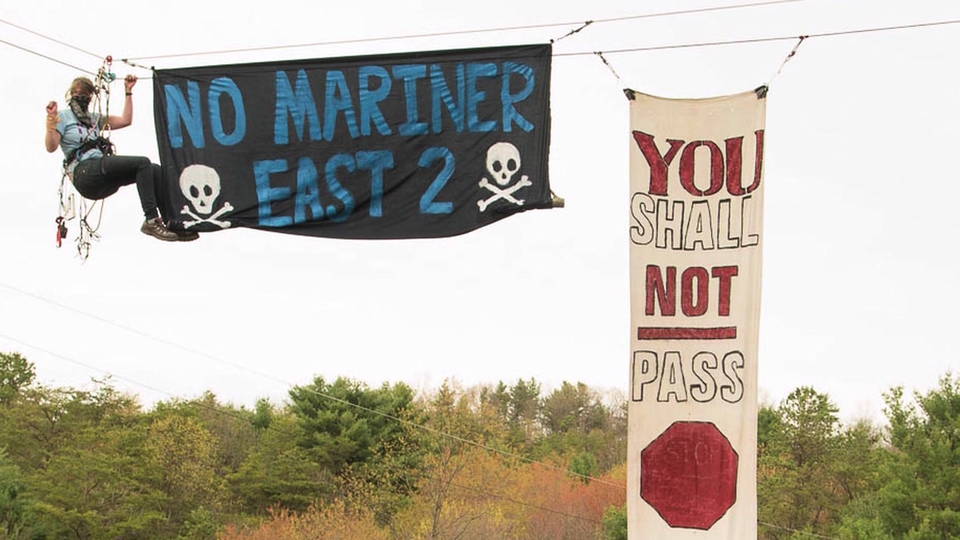

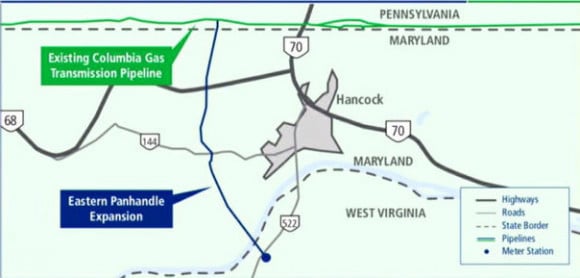
 As in previous years when Ohio’s RINO Gov. Kasich has proposed a super-high boost to the state’s severance tax, calm-headed Republicans (people from his own party!) have come to the rescue. Ohio House Republicans have removed Kasich’s boost in the severance tax rate from the budget. Meaning, it’s dead…
 The Joint Landowners Coalition of New York (JLCNY), a group representing over 70,000 landowners with a collective 1 million acres of land that could be leased for oil and gas drilling, only if, has just sent off a letter to President Trump asking for his help. The JLCNY, via the letter, alerts Trump to Gov. Andrew Cuomo’s shenanigans in blocking natural gas pipelines. The letter also asks Trump to support legislation we’ve previously highlighted by Congressman Tom Reed to protect landowners in New York (and other states) from government actions that block oil and gas development (see
 For the past couple of years MDN has covered the issue of low and no royalties for landowners in Pennsylvania and other states because of the low commodity price for natural gas–and because drillers are deducting post-production expenses. The problem, from the landowner’s perspective, is that gas is still getting pumped–and they aren’t getting anything in royalties. Who would sign up for that?! The problem, from the driller’s perspective, is that they’ve spent big bucks to drill the well and even if they have to sell the gas at a loss, at least they’re getting some revenue through the door–hoping to hang on until prices go higher again. It is a conundrum. Last month the Pennsylvania Chapter of the National Association of Royalty Owners (NARO) held their annual meeting and convention in State College, PA. A number of interesting bits of information came out of that meeting. One interesting tidbit: A Houston lawyer told attendees that he is now using the strategy of telling drillers if they keep sending royalty statements with no checks (i.e. statements showing the driller is not making a profit)–they have 30 days to terminate their lease with those landowners. Some leases (not all) state that if a well quits producing profitable quantities of gas, the lease is officially ended. While in some respects the lawyer’s innovative interpretation of o&g contracts may be an empty threat, the strategy does appear to be getting results. Another tidbit: There is a concern that drillers may try to deduct losses today from profits in the future–from a landowner’s royalty check. What can landowners do to guard against it?…