
PA Loses 2 Rigs from Marcellus, Combined M-U Lowest Since Nov. 2025
 Last week was not a good week for the national rig count nor the count in the Marcellus/Utica. The national count dropped by 9 rigs to 543, while Pennsylvania lost 2 rigs and now operates 18, a level it hasn’t seen since January of this year. Both Ohio and West Virginia maintained the same counts last week at 11 and 8, respectively. The combined M-U count was 37 rigs last week, the lowest number since the Nov. 18, 2025, rig count report. Yuck. Read More “PA Loses 2 Rigs from Marcellus, Combined M-U Lowest Since Nov. 2025”
 The Marcellus/Utica region received a combined 11 new drilling permits last week, Mar. 16 – 22, down 6 from the 17 permits issued two weeks ago. Pennsylvania issued 10 of the permits. Ohio issued 1. And, West Virginia issued no new permits last week. The drillers who received new permits last week included EOG Resources, EQT, and Laurel Mountain Energy.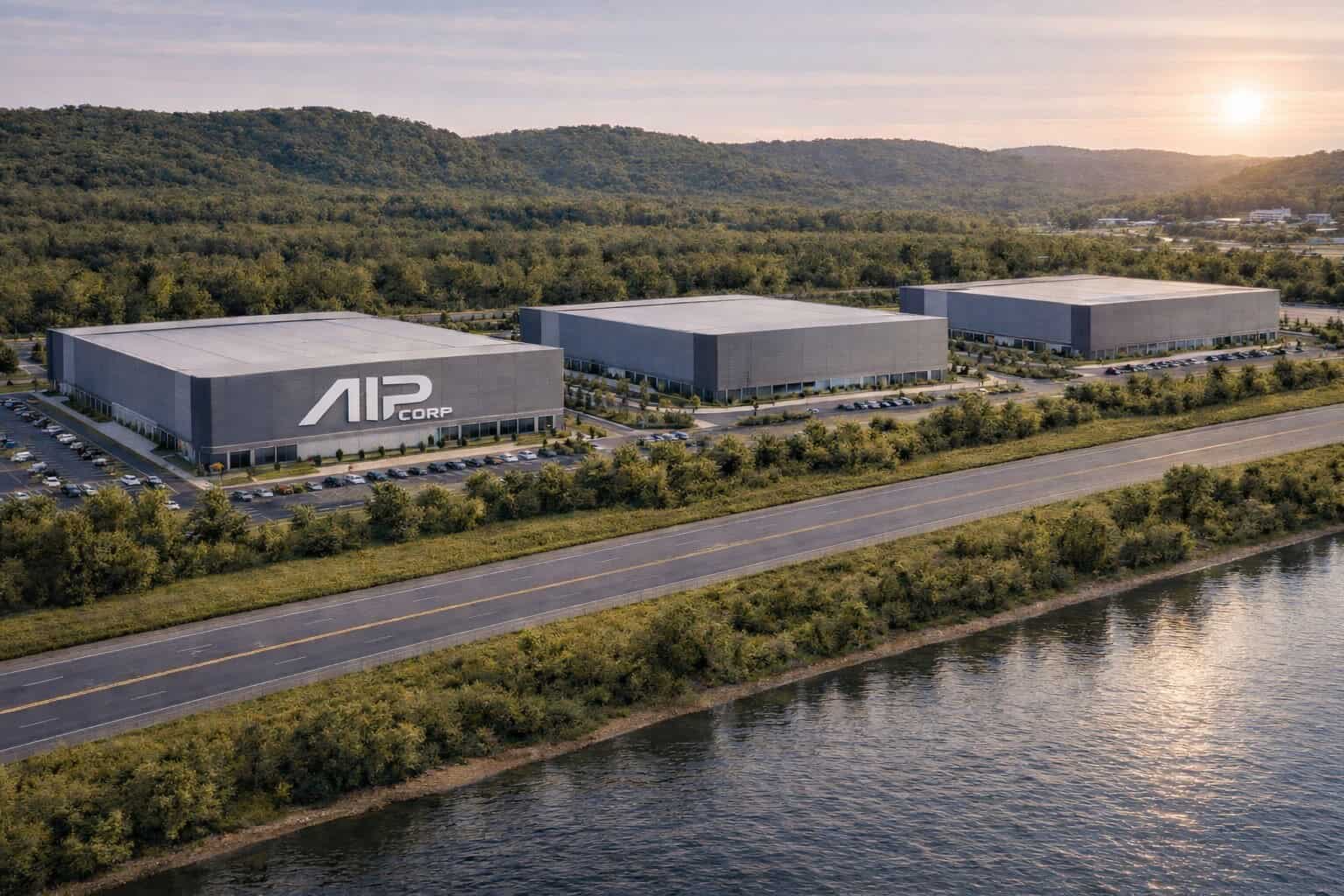
 In early February, MDN told you about West Virginia Senate Bill (SB) 706, which proposed reducing the state’s severance tax from 5% to 3% for new natural gas and oil wells drilled after June 30, 2026, that meet specific production thresholds (see
  Hope Gas is a Local Distribution Company (LDC, i.e., utility company) that provides gas service to approximately 140,000 residential, industrial, and commercial customers in 39 West Virginia counties. The company monitors and maintains over 7,000 miles of pipelines that safely deliver West Virginia natural gas to many homes and commercial and industrial sites. In September 2023, Hope Gas asked the West Virginia Public Service Commission for permission to build a new 30-mile pipeline in Monongalia County (see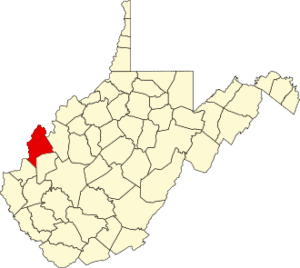
 Quantum Pleasants has successfully completed a year-long validation of its Omnis Quantum Reformer (OQR) technology at the Pleasants Power Station in West Virginia. This breakthrough ultra-high-temperature pyrolysis technology produces hydrogen on-site at half the cost of existing methods by utilizing the state’s coal and natural gas resources. Independent evaluations confirmed the system’s safety and economic viability, paving the way for the 1,300 MW facility to become the world’s first large power plant to operate on 100% hydrogen fuel. Right here in the heart of the Marcellus/Utica!