 MARCELLUS/UTICA REGION: US secretary of energy tours a Marcellus Shale natural gas well in Washington County; Former Rice Energy CEO files for IPO for new sustainable fuels company; The big Trump rallies you don’t see; OTHER U.S. REGIONS: BP looks to Haynesville on rising Henry Hub natural gas prices, LNG export outlook; Texas study links more than 238,000 jobs to pipelines; NATIONAL: Trump weighs executive order to show support for fracking; Despite fewer regulations, emissions are declining, oil industry says; Chevron to lay off about 25% of Noble Energy employees after merger; Fracking finally gets the attention it deserves; Brouillette: ‘When they say they will kill oil … they mean it’; INTERNATIONAL: Lower-for-longer LNG prices to put buyers in the sweet spot for years; India LNG demand growth presents opportunities, challenges for US developers; LNG-as-bunker-fuel winning converts as shipping industry eyes future CO2 rules.
Read More “Other Stories of Interest: Wed, Oct 28, 2020”

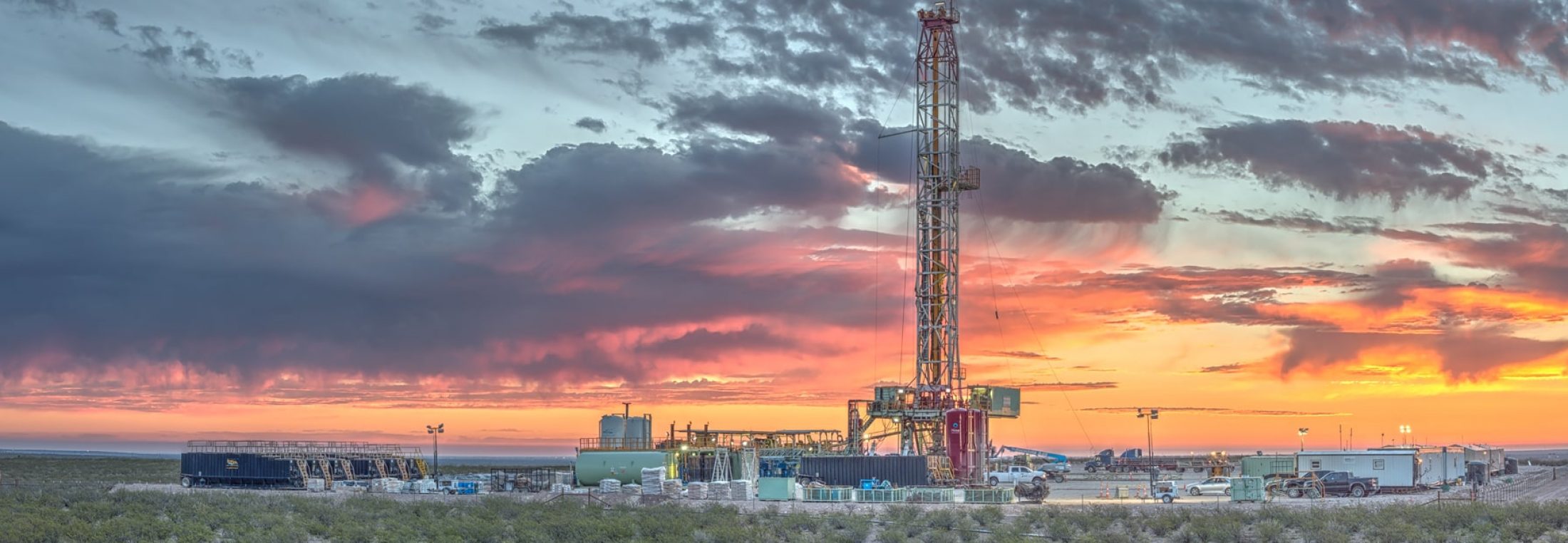
 For a second week in a row, all three M-U states issued new shale drilling permits last week. Pennsylvania issued 6 new permits, Ohio issued 5 new permits, and West Virginia issued 3 new permits.
 We don’t know how Pittsburgh Business Times ace reporter Paul Gough does it. Yesterday we told you Gough had gotten CNX CEO Nick DeIuliis to, in a roundabout way, discuss the rumor that EQT has floated a takeover offer to his company (see
  Two shale wastewater injection well companies, DeepRock Disposal and Fountain Quail Energy Services, have merged. The combined company is keeping the DeepRock Disposal name. The new entity is one of the largest SWD (saltwater disposal well) operators in the Appalachian Basin with 12 wells located in Ohio and West Virginia (with permits for several more). However, the bigger news (for us) is that DeepRock plans to offload barged frack wastewater–very soon.
 Energy Transfer (Sunoco Pipeline) is pushing back against a demand by the Pennsylvania Dept. of Environmental Protection (DEP) that the company’s Mariner East 2X pipeline project be rerouted around Marsh Creek State Park (in Chester County, PA) following a drilling mud spill in August. Sunoco has asked the PA Environmental Hearing Board, a special court created to hear appeals of DEP decisions, to override the DEP’s demand to reroute ME2X.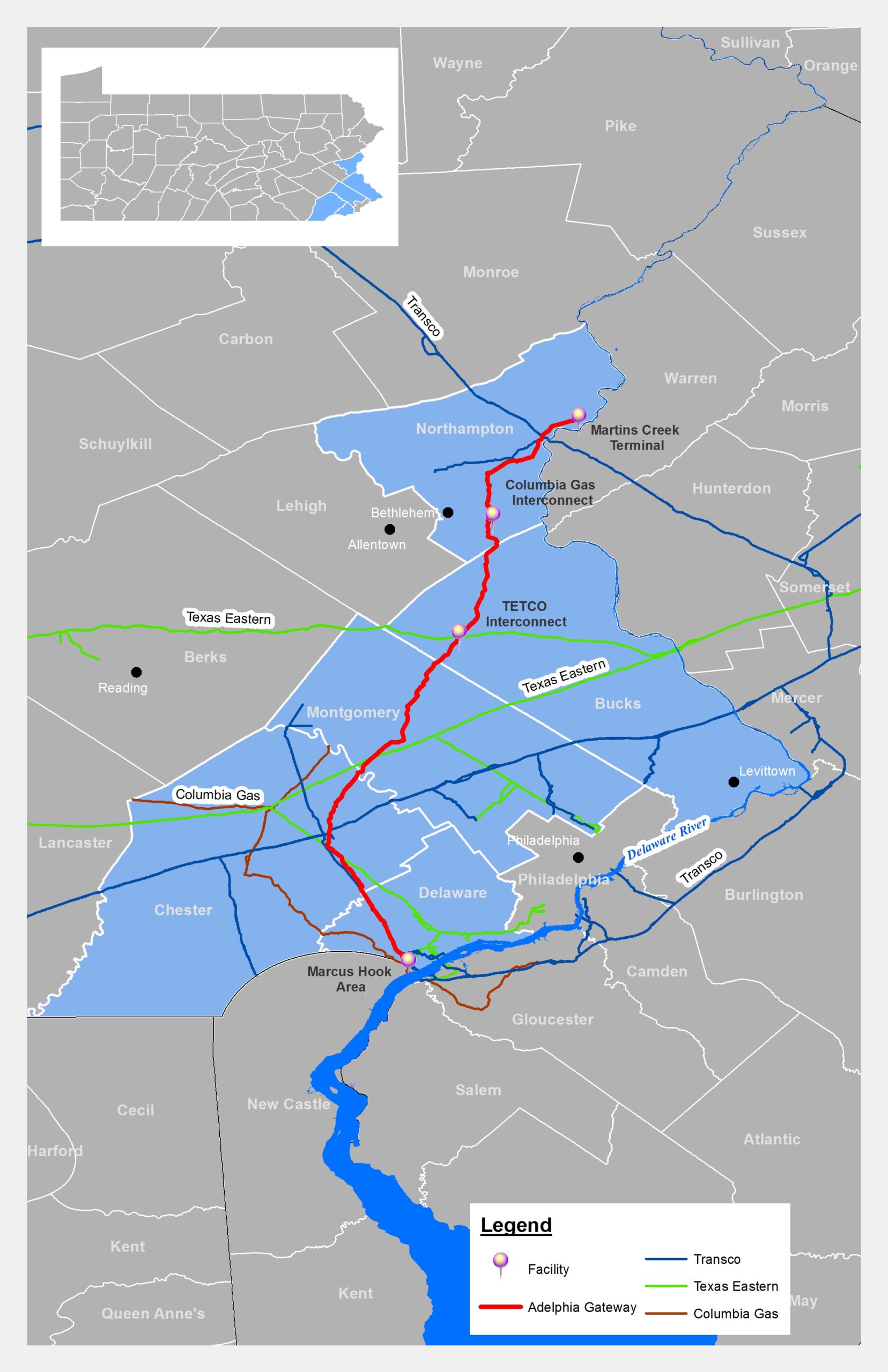
 This would be funny if it weren’t so darned sad. In Lansing, NY, just outside of Planet Ithaca in Tompkins County, the local utility (NYSEG) wanted to build a short pipeline in 2017 to supply new customers with natural gas, but was blocked by crazies who irrationally hate fossil fuels (see
  A lawsuit against Pennsylvania driller EdgeMarc Energy that began in 2018 is finally settled. In Sept. 2018 MDN told you about a single former employee of EdgeMarc launching what turned into a class action lawsuit against the company alleging some employees were misclassified as independent contractors and denied overtime pay (see
  There is a reason why President Trump and sleepy/creepy Uncle Joe Biden are visiting Pennsylvania so much. It is one of the “battleground” states, likely THE state, that will determine who wins the presidential race next week. The key issue both candidates talk about is fracking. Joe Biden (says Donald Trump) will take away the right to frack in PA, and along with it thousands of jobs. Biden insists he won’t ban fracking, but in the next breath says he will “transition” the country away from using oil (and gas, all fossil fuels) over the next 15 years. Which is, in essence, a ban on fracking.
 In June MDN told you that the East Pittsburgh Borough Zoning Board, bullied by anti-fossil fuel radicals, had revoked a permit allowing a series of Marcellus Shale wells to be drilled on the property of U.S. Steel Corp.’s Edgar Thomson steel mill, the oldest still-operating steel mill in the country (see
  The Federal Energy Regulatory Commission (FERC) finally, after months of dithering, granted approval to TC Energy to begin construction of its Louisiana XPress project to beef up flows along the existing Columbia pipeline system by an additional 850 million cubic feet per day (MMcf/d) by adding three new compressor stations and expanding a fourth compressor in Louisiana.
 Once again the Mariner East 2 pipeline project is up Snitz Creek…without a paddle? There have been a number of “inadvertent returns” or mud spills in Snitz Creek, place where drilling mud is used to grease a drill bit for drilling holes under the creek. Mud has popped up where it’s not supposed to. Some of the mud spills have been, literally, just a couple of gallons. NOTHING. A recent spill on Oct. 19 was for 200 gallons.