
Trader Says NYMEX NatGas Price “Hammer Reversal” Targets $4.88
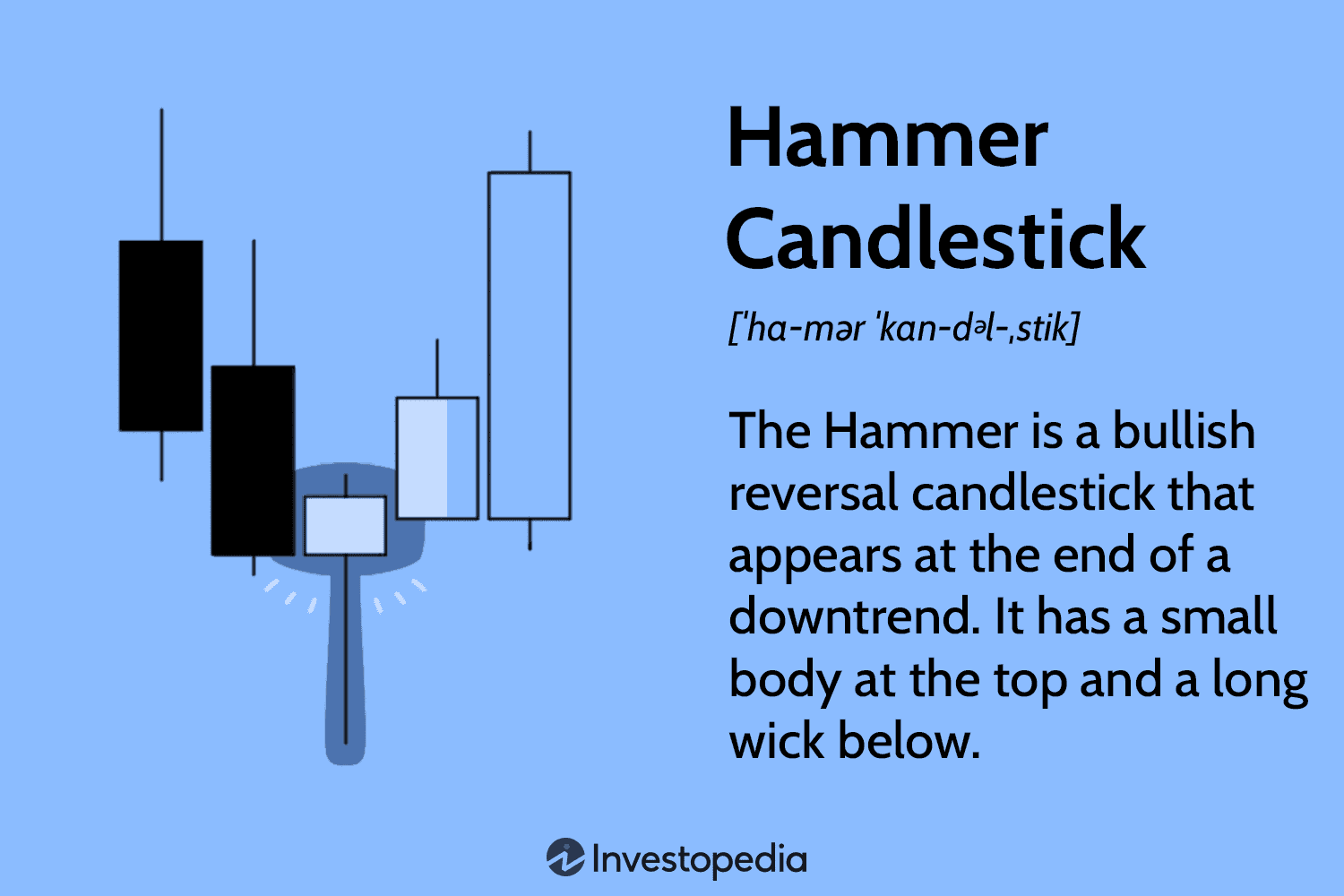 On Monday, the NYMEX “front month” futures price for natural gas dived, down 20.5 cents (4.5%) in a single day (see 2 NOAA Graphics Drove NYMEX NatGas Price Down 20.5 Cents Yesterday). The reason? A forecast released by NOAA (the National Oceanic and Atmospheric Administration) that shows a warm trend in the Eastern U.S. through the end of this month. And just like that, the NYMEX price reversed yesterday, gaining 17.9 cents per million British thermal units (MMBtus), or 4.10% to $4.55, making up most of Monday’s loss. Traders call it a “hammer reversal.” Why the drastic change? Once again, weather. Read More “Trader Says NYMEX NatGas Price “Hammer Reversal” Targets $4.88″
 Diversified Energy, which owns significant assets in the Marcellus/Utica region (and other regions, too), issued its third quarter update earlier this month. The company owns approximately 8 million acres of leases with close to 70,000 oil and gas wells, mostly conventional wells (by number of wells). However, the company now produces 41% of its production from shale wells, meaning the blend of assets has changed over time. The company’s business model is to buy already-drilled, lower-producing wells on the cheap and find ways to make them more productive. They do a great job at it. Diversified also owns midstream (pipeline) assets, as well as a well-plugging subsidiary, Next LVL. What does the 3Q25 update show? The company produced 1,127 MMcfe/d (74% natural gas, 13% NGLs, and 13% oil). That’s up a huge 36% increase over 3Q24!
  In honor of the new Wizard of Oz movie coming this week: “Lions and tigers and bears, oh my!” The environmental left version of that is, “Fossil fuels, fracking, and data centers, oh never!” Just yesterday, we outlined a trend we see in Pennsylvania (and on the national level): anti-fracking groups morphing into anti-data center groups (see
  The American Energy + AI Initiative, a collaboration between the Hamm Institute and the American Energy + AI Coalition, held a summit on Monday in Washington, D.C., to address the urgent need for firm power to sustain the rapid growth of Artificial Intelligence (AI) in the U.S. Cabinet officials, including DOE Secretary Chris Wright, and industry leaders, discussed concrete steps to modernize federal tools and accelerate power production. During the summit, a new study was released (full copy below) emphasizing that America’s ability to lead in AI depends on quickly building reliable energy and highlighted the immediate need for more natural gas to meet the massive, unexpected demand from data centers.
 MARCELLUS/UTICA REGION: Ohio natural gas plant purchase approved for Indiana Michigan Power; OTHER U.S. REGIONS: New York Gov. Hochul gets a message – legalize natural gas!; NATIONAL: U.S. natural gas price gains ahead of inventory data; US risks winter blackouts on data center demand; U.S. propane stays well supplied as export strength levels off; INTERNATIONAL: Oil falls on rising fuel stocks.
  In May, pipeline giant Williams filed a request with the Federal Energy Regulatory Commission (FERC) to expedite the reissuance of a certificate for the Northeast Supply Enhancement (NESE) project, a $1 billion+ project designed to increase Transco pipeline capacity and flows of Marcellus gas heading into New York City and other northeastern markets (see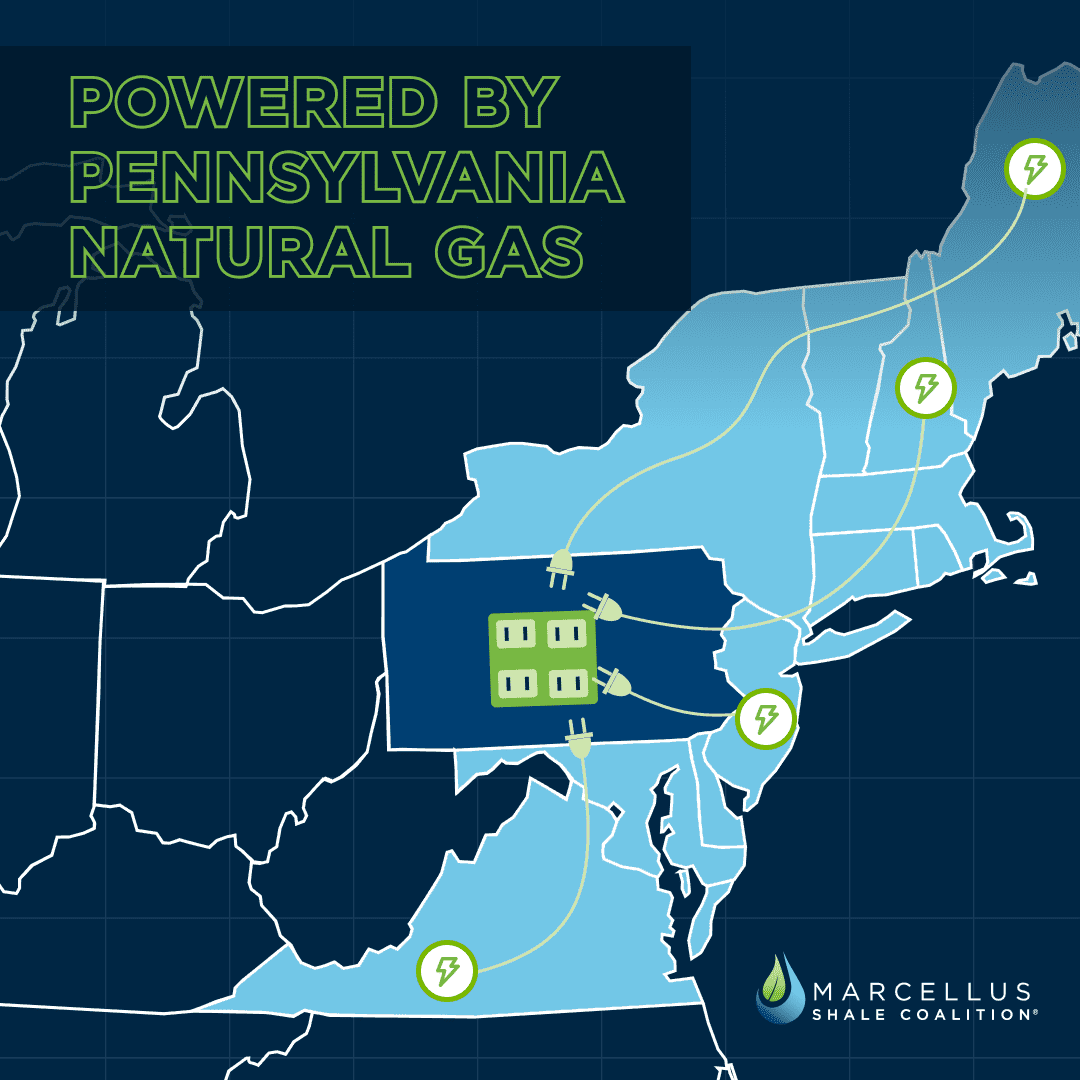
 In July, MDN told you that Talen Energy, a leading energy producer in the U.S., which owns and operates approximately 10.7 gigawatts (GW) of power infrastructure, had announced the acquisition of two gas-fired power plants: one located near Wilkes-Barre in northeastern Pennsylvania, and the other in Guernsey County, in eastern Ohio (see
  Last week, MDN warned you that the enviro-left that opposes fracking and shale energy in Pennsylvania (because they have an irrational hatred of fossil fuels) has morphed into opposing data centers, because data centers need lots of electricity and the only practical way of providing that power is via natural gas-fired power plants (see
  Bridger Photonics, the self-proclaimed “industry leader in methane emissions data,” announced expanded capabilities that enable both source-level (Level 4) and site-level (Level 5) methane measurement under the UN’s OGMP 2.0 framework. Bridger is headquartered in Montana and has developed a methane detection technology that is used by some of the biggest drillers in the Marcellus/Utica, including EQT, Expand Energy, Ascent Resources, Diversified Energy, and Repsol (
 Finally! For years, going back to the administration of Lord Obama, the radical left has tried to redefine the “waters of the United States” (WOTUS). See our
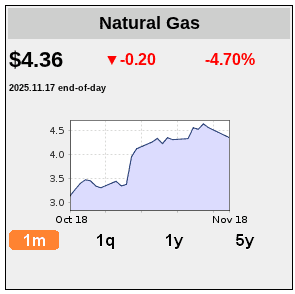 The NYMEX “front month” futures price for natural gas took a dive yesterday, down 20.5 cents (4.5%) in a single day. The price remains firmly in the $4 range, closing at $4.361 per million British thermal units (MMBtus). We thought it would be a good time to check in on the price—what the futures price has been doing, and what the spot/physically traded price in the Marcellus/Utica region has been doing. We can sum up why the price tanked yesterday in a single word: weather. Expanding on that just a bit, NOAA (the National Oceanic and Atmospheric Administration) released its 6-10 Day and 8-14 Day Temperature Outlook graphics yesterday, showing most of the country (in particular the Northeast) will experience warmer than average temperatures for 6-10 days, with the Northeast experiencing warm temperatures all the way through the end of this month and into December.