
National Park Service “Reconsiders” Permit for Atlantic Coast Pipe
 Since early December Dominion Energy’s 600-mile Atlantic Coast Pipeline has been idle, not able to do any new construction due to a cockamamie ruling by the Fourth Circuit Court of Appeals (see 4th Circus Clowns Refuse to Clarify Decision re Atlantic Coast Pipe). The Fourth Circus clown judges are making Dominion wait until end of March for the next phase of a lawsuit brought by Big Green groups challenging a U.S. Fish and Wildlife Service (FWS) permit.
Read More “National Park Service “Reconsiders” Permit for Atlantic Coast Pipe”
 A couple of developments to share with you about the Mariner East 1 NGL pipeline which has been completely shut down since Jan. 21 when a new sinkhole appeared in Chester County exposing a few feet of the bare pipe (see
  MDN previously reported that last Sunday a new sinkhole appeared exposing a tiny section of the Mariner East 1 (ME1) NGL pipeline in Chester County, PA, prompting Sunoco Logistics Partners to close down ME1 in the Greater Philadelphia area (see
  Utility company Consolidated Edison recently announced it will slap a moratorium on hooking up new customers for natural gas in Westchester County (NYC suburb) beginning March 15 (see
  Last year we reported on rumors that President Trump may issue an Executive Order to overrule states like New York, forcing recalcitrant states to allow new pipeline projects as a matter of national security (see
 Shame on the Connecticut Energy Marketers Association, a group of fuel oil dealers who selfishly want to block the expansion of natural gas pipelines to homes and businesses, just so they can sell more dirty fuel oil.

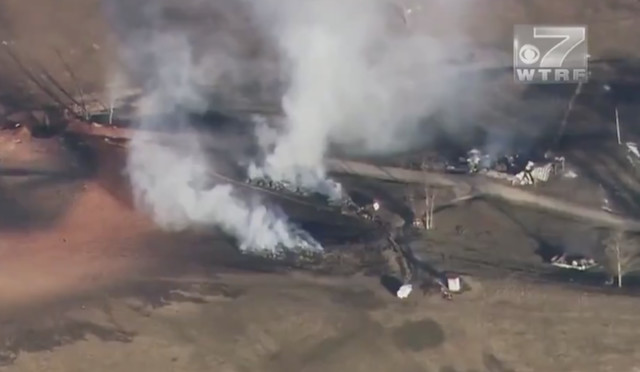


 We’re following up on a post we made last Thursday about a coming moratorium on new customer hookups for natural gas in Westchester and New York City (see
 The Pennsylvania Public Utility Commission (PUC) yesterday upheld an administrative law judge’s December decision against an “emergency” request by pipeline opponents to shut down both Mariner East 1 and 2 by claiming they are unsafe and need to be stopped. Can we FINALLY put this to rest and move on? ME1 and ME2 are both now online. There’s no going back.
 Shell has calmed the troubled Ambridge waters–that is, the Ambridge Water Authority waters. Shell hit a snag with plans to build its Falcon Ethane Pipeline when the Ambridge Water Authority claimed construction of the pipeline under several streams feeding the Ambridge reservoir would endanger the drinking water for 30,000 people (see