
NFG Asks FERC for Extra 3 Yrs to Build Northern Access Pipe in NY

Four years ago National Fuel Gas Company (NFG) proposed and filed to build the Northern Access Pipeline project–a $500 million project that includes building 97 miles of new pipeline along a power line corridor from northwestern Pennsylvania up to Erie County, NY. The project also calls for 3 miles of new pipeline further up, in Niagara County, along with a new compressor station in the Town of Pendleton (also in Niagara County). The Federal Energy Regulatory Commission (FERC) granted final approval for the project in February of 2017 (see NFG’s Northern Access Pipe in NY/PA Gets FERC Approval). However, in April 2017, the New York Dept. of Environmental Conservation (DEC) ruled against granting the project stream crossing permits, effectively killing it, at least for now (see Cuomo’s Corrupt NY DEC Blocks NFG Northern Access Pipeline Permit).
Read More “NFG Asks FERC for Extra 3 Yrs to Build Northern Access Pipe in NY”
 Last week MDN told you about seven anti-fossil fuelers in the Philadelphia area who have filed a request with the PA Public Utility Commission requesting the PUC shut down both the Mariner East 1 pipeline, which has been flowing since 2016, and Mariner East 2 pipeline, which is about to go online any day now (see
  In December 2014, Massachusetts-based utility Berkshire Gas Company announced the amount of natural gas they could purchase from the Tennessee Gas Pipeline (TGP) was at full capacity. There’s no additional gas supplies to buy–unless TGP should build their Northeast Energy Direct (NED) expansion project. So Berkshire was forced to tell new customers for natural gas in portions of Franklin County they would not be able to tap into Berkshire’s line (see
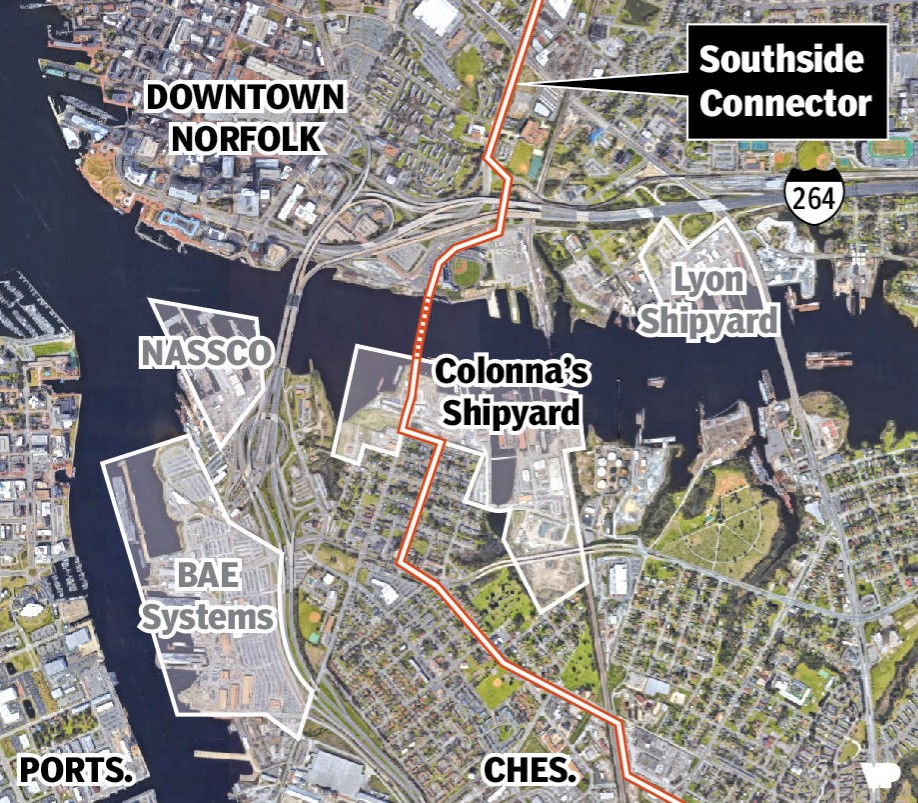
  Ever notice how the antis apply a different set of rules and standards to those who support fossil fuels than they do to themselves? Here’s a great example. Virginia Natural Gas (VNG) wants to complete a decades-old project by building the final nine miles of the project from Norfolk, VA to Chesapeake, VA–called the Southside Connector Project. Those who oppose the project paid big bucks to “consultants” to write a report smearing the project as unsafe (see
  In a pattern that has repeated itself with both the Mountain Valley Pipeline and (now) the Atlantic Coast Pipeline (ACP), a key permit that allows ACP to build under and through streams and rivers and wetlands has been, for now, revoked. The permit is called a Nationwide Permit (NWP) 12 and was previously issued by the U.S. Army Corps of Engineers to allow ACP to build through streams, etc. in all three states where it runs–West Virginia, Virginia and North Carolina. Earlier this month the U.S. Fourth Circuit Court of Appeals put a temporary stop on constructing the pipeline across/under/through streams and rivers in WV (see
  NEXUS Pipeline, a $2.6 billion, 255-mile interstate pipeline that runs from Ohio into Michigan, began a partial startup in October, and is now fully online. Although there was early opposition to the project, and some complaints from landowners along the route of construction, the project is noteworthy for the just how little complaining there actually was. Not all of the restoration work–things like reseeding and landscaping–is done. Most of it is done, but not all. A few landowners still have some scattered complaints related to unfinished work. Massive amounts of rain in the region have prevented final restoration work, which NEXUS now says will have to wait until spring 2019. In the meantime, local school districts and municipalities are rubbing their hands, anticipating tax payments that will begin to flow into their coffers.
 Seven antis from Greater Philadelphia, with money and lawyers from Big Green groups backing them, on Monday asked the Pennsylvania Public Utility Commission to shut down Mariner East 1 pipeline (which has operating for more than a year), and to block the startup of Mariner East 2 pipeline. The chutzpah of these people is breathtaking. To put it in perspective, Chester and Delaware Counties, which is where the seven antis hail from, has a combined population of 1,083,989 people (as of 2017). Seven people represents .0006% of the population. Meaning 99.999% of the population either don’t care, or are not against these pipeline projects. Both ME1 and ME2 carry natural gas liquids (NGLs)–meaning ethane and propane–from the western side of PA across the state to Delaware County and the Marcus Hook refinery. From the very beginning there have been a committed few (with the help of Big Green) fighting the ME2 project every inch of the way. They’ve thrown everything they have at it–multiple lawsuits, pleas to regulatory agencies, legislative hearings, illegal protests–you name it, they’ve done it. This latest action appears to be a last gasp, “Hail Mary” attempt at convincing a regulatory agency to stop both pipelines. Which isn’t going to happen.
 There is a political mess brewing in North Carolina–a mess that has made for some strange bedfellows. Rabid anti-fossil fuelers are supporting Republicans in a bid to target NC’s Democrat governor because his administration granted a permit for Dominion Energy’s Atlantic Coast Pipeline (ACP) in the state. We first reported on this developing situation back in September (see
 There is a fascinating bit of politics playing out in Virginia. The state’s previous governor, Terry McAuliffe, favored pipeline projects like EQT’s Mountain Valley Pipeline (MVP) and Dominion’s Atlantic Coast Pipeline (ACP). What’s strange about McAuliffe’s support is that he’s a far-left Democrat. Yet he resisted calls from his nutroots base to shut both pipeline projects down. McAuliffe was replaced in January 2018 by Ralph Northam, another liberal Democrat (lib Dems get elected in Virginia because of a high population of libs who live around the D.C. area). Once again the nutters came out in force to pressure the new governor to oppose MVP and ACP. And once again, the new governor is not caving to the pressure. In fact, Gov. Northam has just canned two board members who voted to delay a vote on an ACP compressor station!
 You know that new housing development that just sprung up in a Massachusetts city suburb? Don’t buy a house in it, because chances are they won’t be getting new natural gas pipes run to them any time soon. That is, if a group of local boards of health have anything to say about it. A group of 77 local boards recently sent a letter to Mass. Gov. Charlie Baker asking him to stop cold any new natural gas projects until after a full blown study is done on the “safety” of natural gas infrastructure. They’re attempting to use the Columbia Gas of Massachusetts tragedy north of Boston in mid-September to block new gas infrastructure (see
  If there’s one more black person living in a given rural community than white, and if a pipeline company wants to put a compressor station in that community as the best location to push gas through the line, the very act of building that compressor station in that community is racist. That’s the horse manure being pedaled in Buckingham County, Va. Last week the State Air Pollution Control Board held two days of public hearings where antis, detecting they may lose the battle to stop a compressor station for Dominion Energy’s 600-mile Atlantic Coast Pipeline, trotted out their so-called “environmental justice” argument. Last Friday the board decided to delay a vote on whether to approve the compressor station, until their meeting on Dec. 10.
 In early October the Federal Energy Regulatory Commission (FERC) granted TransCanada permission to begin service on part of its Columbia WB XPress pipeline project, the “Western Build” portion of the project (see
  Another bump in the road for National Fuel Gas Company and their Northern Access Expansion pipeline project. Not a major hurdle. Not an apocalypse. Not the end of the line. A bump. The Appellate Division of New York State Supreme Court (in NY, Supreme Court is a low court, one step up from county court), overturned the decision of the lower Supreme Court granting NFG the power of eminent domain to build Northern Access, a project not scheduled to get built until 2022. The attorney who won the case against NFG proclaimed without eminent domain, “The pipeline is dead.” We say he’s dead wrong.