
New Fed Legislation Will Block Frivolous Lawsuits Filed by Big Green
 Last week, U.S. Sen. Ted Cruz (R-TX) introduced S.4340. This bill would bar frivolous lawsuits from green activist groups seeking damages, injunctions, or other relief for so-called harms allegedly caused by the end use of energy products, including oil and gas. Senators Ted Budd (R-NC), Tom Cotton (R-AR), and Mike Lee (R-UT) are cosponsoring the legislation. The House’s companion bill, H.R. 8330, was also introduced by Representative Harriet Hageman (R-WY). The bill is being called the “Stop Climate Shakedowns Act of 2026.” An appropriate title. Read More “New Fed Legislation Will Block Frivolous Lawsuits Filed by Big Green”
 OTHER U.S. REGIONS: Calcasieu Pass LNG secures $1.75B loan; The Supreme Court hands a win to oil and gas companies fighting lawsuits in Louisiana; NATIONAL: U.S. natural gas futures edge up; AI applications built for energy asset reliability and operational performance; New food pyramid another blow to climate activism; INTERNATIONAL: Energy prices sink on Hormuz news; Hormuz at standstill as US seizes Iran vessel; Africa’s new £26bn gas pipeline to be the ‘new Hormuz’ – pass through 13 countries.
  Last week was a good week for new drilling permits. The Marcellus/Utica region received 37 new drilling permits last week, Apr. 6 – 12, up 15 from the 22 issued two weeks ago. Pennsylvania issued 23 of the permits. Ohio issued 8 new permits. And West Virginia issued 6 new permits last week. The drillers who received new permits last week included: Antero Resources, Ascent Resources, Blackhill Energy, Clean Energy Exploration, EOG Resources, EQT, JKLM Energy, Laurel Mountain Energy, PennEnergy Resources, Repsol, and Snyder Brothers.
  Wow! We haven’t been this excited about the long-dead issue of fracking in New York State in a LONG time. Geologist Madison Woodward III and his son Thomas (from Texas) purchased property in New York State in 2011, hoping to develop its natural gas reserves based on geological assessments and successful fracking operations in nearby Pennsylvania. However, New York’s statewide ban on hydraulic fracking, later expanded to include all alternative extraction methods, rendered the Woodwards’ mineral rights worthless. Represented by Pacific Legal Foundation, the Woodwards filed a federal lawsuit yesterday, arguing that the ban constitutes an unconstitutional “taking” of their property under the Fifth Amendment, for which they are owed just compensation, challenging New York’s energy policy and defending property owners’ rights.
  Somewhat disappointingly, the Trump Department of Energy is moving forward with funding for five of the original seven Biden-awarded hydrogen hub projects, spending $5 billion of the orignally-alloted $7 billion. The preserved projects include the West Virginia-led Appalachian Regional Clean Hydrogen Hub (ARCH2), which is a project that will use Marcellus/Utica natural gas as the feedstock to produce “blue” hydrogen, which is hydrogen made from natgas where carbon dioxide from the process is captured and either used or stored underground. ARCH2 qualified for (and will now receive) up to $925 million of taxpayer money.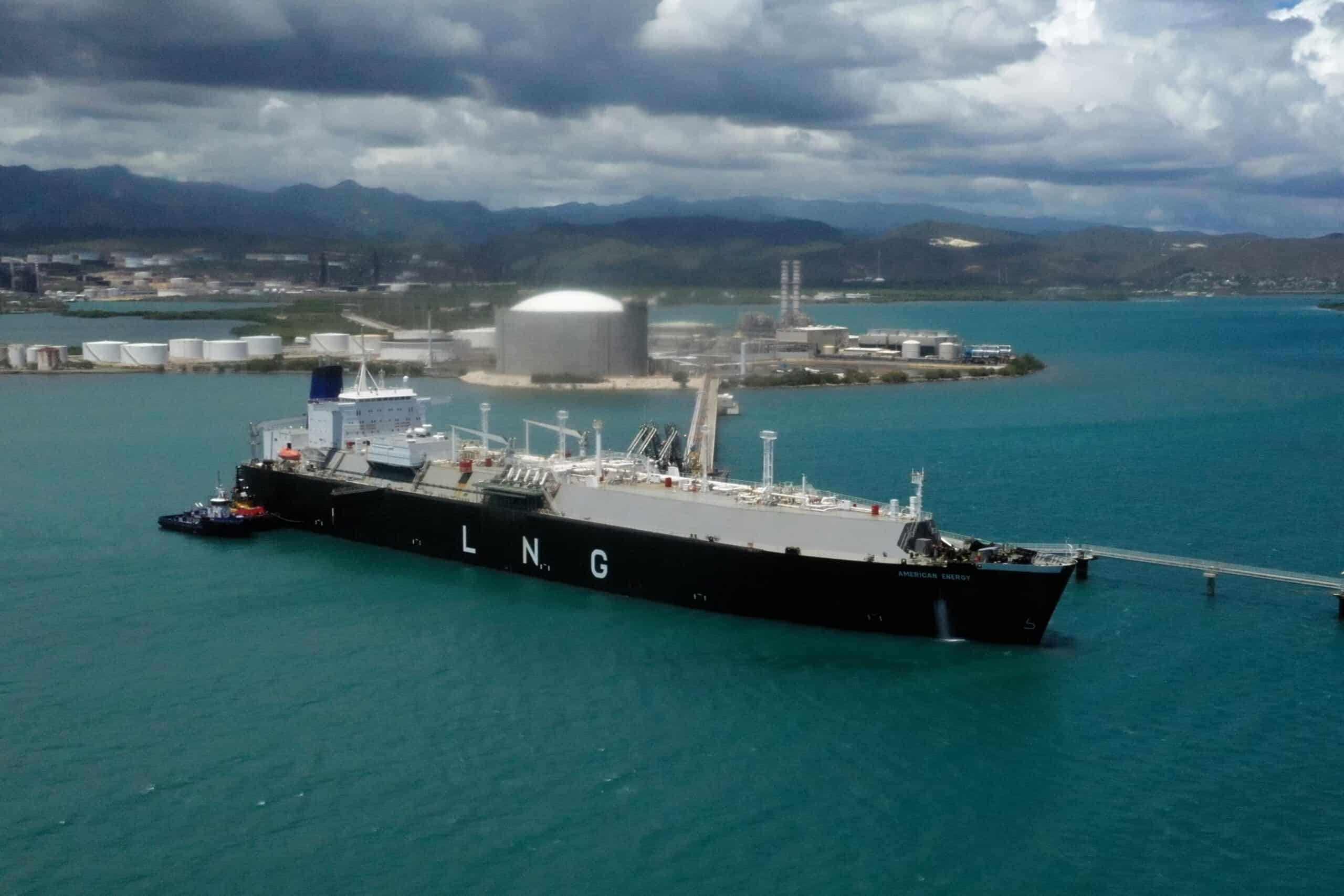
 The U.S. Energy Information Administration (EIA) forecasts U.S. natural gas net exports will keep rising through 2027, driven by expanding LNG capacity and stronger pipeline shipments to Mexico. Net exports are projected to reach 18.7 Bcf/d in 2026 and 20.5 Bcf/d in 2027. LNG exports should average 17.0 Bcf/d in 2026, then climb again in 2027 as new projects, including Corpus Christi, Golden Pass, Port Arthur, and Rio Grande, ramp up. Europe remains the leading destination, while Mexico’s power and LNG growth support pipeline demand. Imports stay minimal, and reduced Canadian imports reflect new Canadian LNG projects and rising Appalachian production serving Northeast markets.
  Wood Mackenzie reports that geopolitical tensions, particularly in the Middle East, are driving a renewed global focus on international shale exploration to enhance energy security and diversify supply. Six countries are prioritizing unconventional (shale) resource development: Algeria for European supply, and the UAE, Mexico, Australia, Turkey, and Indonesia for domestic energy independence. This “Global Shale 2.0” differs from past attempts due to improved technology, a clearer understanding of viable plays, and less competition from new Permian-scale discoveries, encouraging investment where regulatory and fiscal terms align with national interests.
  Connecticut gubernatorial candidate Betsy McCaughey (Republican) has sued New York Governor Kathy Hochul (Democrat), alleging a violation of the Interstate Commerce Clause for blocking the Constitution Pipeline. McCaughey claims Hochul’s actions prevent cheaper Marcellus Shale natural gas from reaching New England, thereby increasing Connecticut’s electricity rates. McCaughey, who lives in Greenwich, claims legal standing to sue as a consumer and ratepayer. The lawsuit, filed in U.S. District Court, aims to force New York to allow construction of the pipeline, which she argues would provide Connecticut residents with more affordable energy. Do-nothing Governor Ned Lamont (lifer Democrat, running for a third term) dismissed the suit as a political stunt.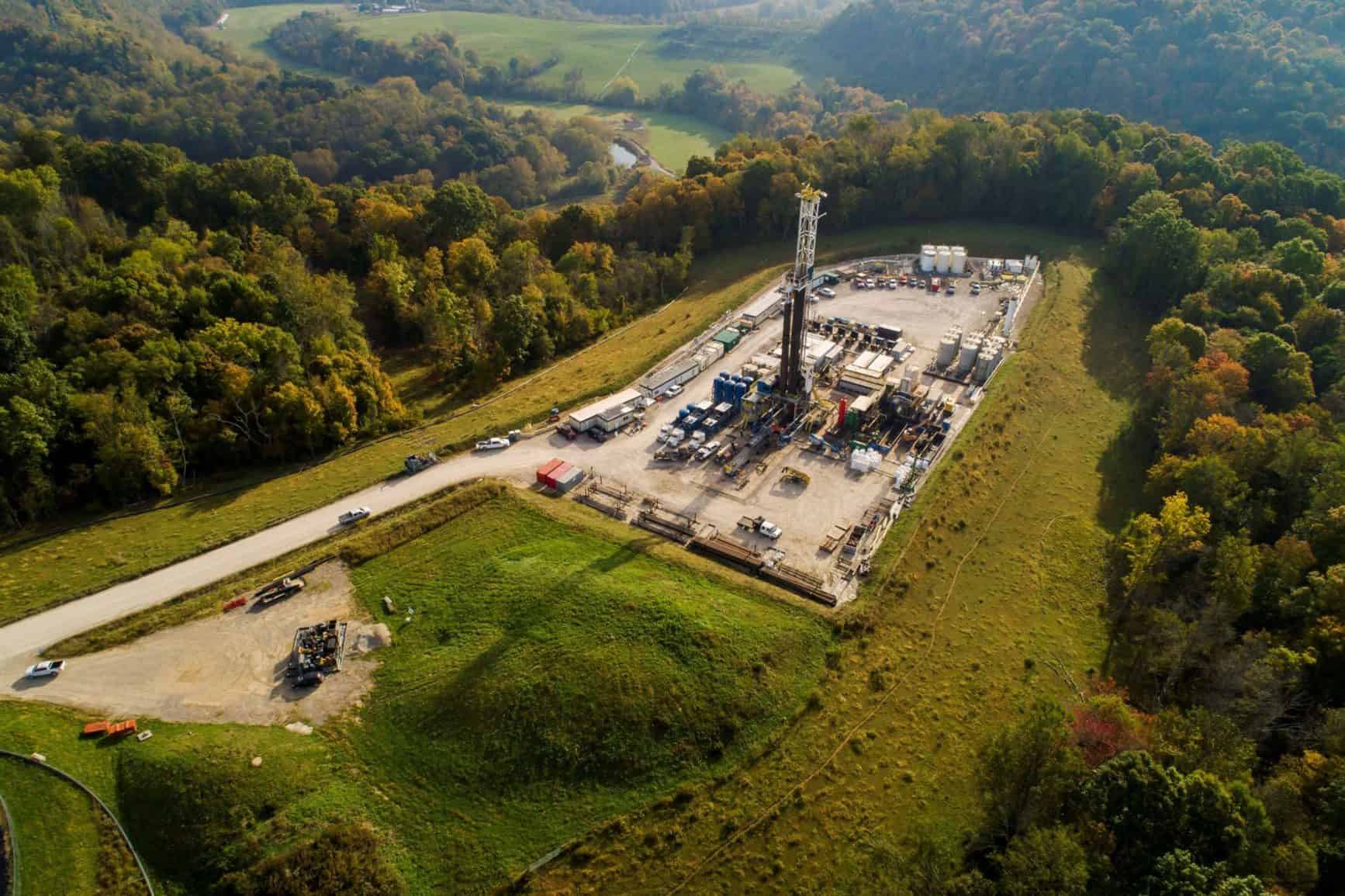
 AI data centers are in the news every single day. We don’t think it’s melodramatic to say that AI is changing the world right now. We also believe it’s accurate to say that everyone (yes, you reading this) will use AI at some level (if you don’t already) within the next year or two. AI, or artificial intelligence, requires, in the aggregate, millions of computers. All of those computers need a place to live (i.e., data centers). And those data centers need electricity to run. Tapping into the local electric grid is not a good option because it takes the grid years to plan, build, and add new sources of power. “Hyperscalers” (massive cloud service providers like Amazon’s AWS, Microsoft’s Azure, or Google’s Cloud, offering scalable, on-demand computing, storage, and networking resources) need to build data centers to house the computers that power AI today. Not years from now. This is a conundrum. A Pittsburgh battery company has partnered with a Houston, Texas, turbine maker to provide a natural gas-based solution ready in months, not years.
  MDN first tipped you back in July 2025 that the Democrat anti-fracking movement in Pennsylvania (and beyond) was rapidly becoming anti-data center (see
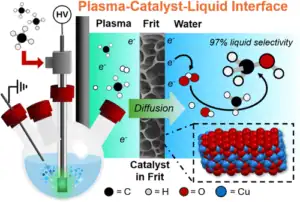 From time to time, we highlight research with the potential to impact the Marcellus/Utica region. In 2023, we told you about Japanese researchers discovering a new (and cheaper) way to convert natural gas into methanol at room temperature in water using a special enzyme (see